


US Treasury Sanctions Iranian, Russian Entities for 2024 Election Interference: A Deep Dive into Foreign Disinformation Campaigns
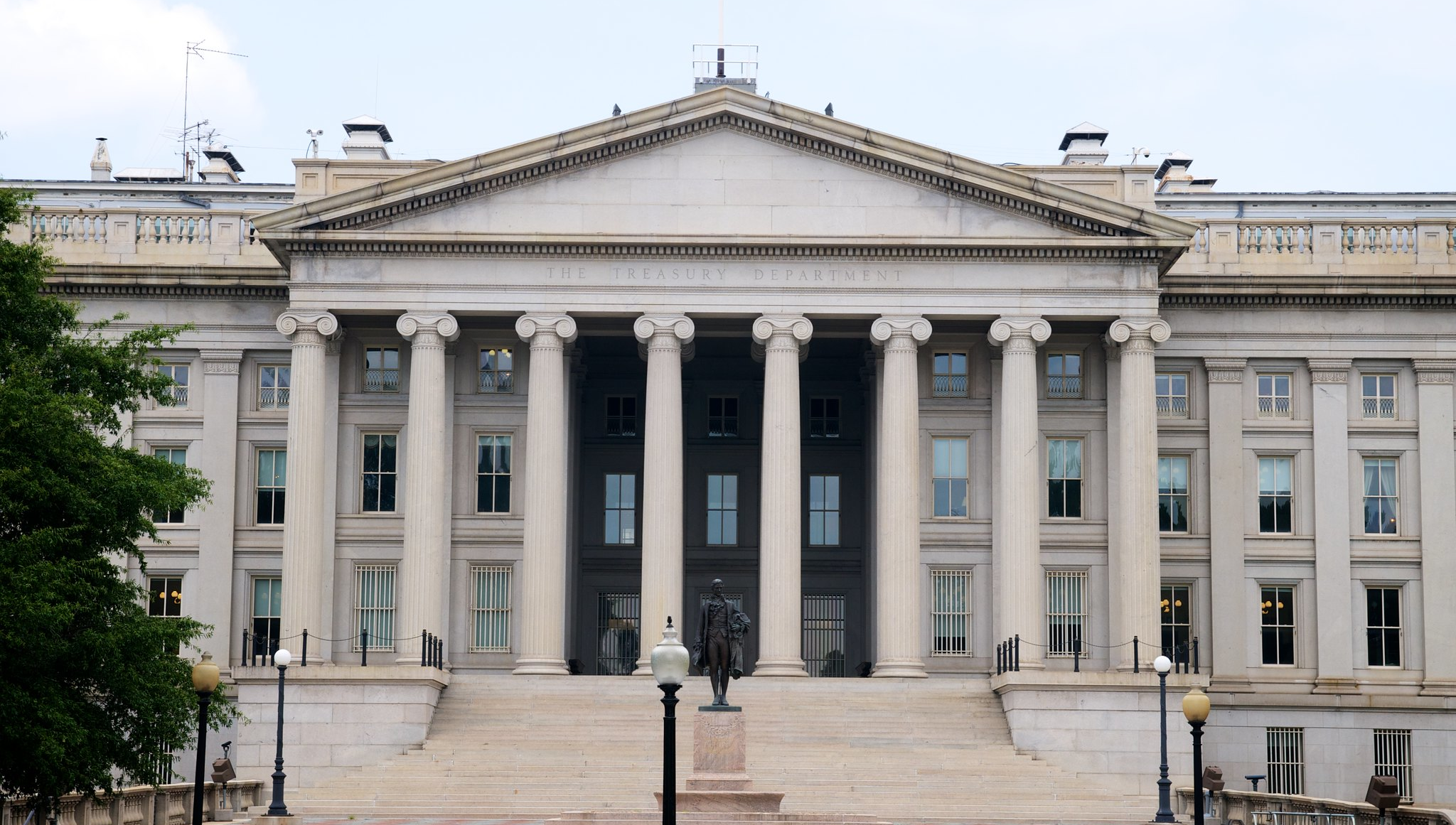
The United States Treasury Department has taken decisive action against foreign interference in the upcoming 2024 elections, sanctioning two organizations, one Iranian and one Russian, for their alleged attempts to manipulate American voters. This move underscores the escalating threat of disinformation campaigns orchestrated by foreign adversaries seeking to undermine democratic processes and sow discord within the American electorate. The sanctions represent the latest effort by US officials to combat the growing influence of these subversive tactics.
The Iranian organization targeted by the Treasury Department is the Cognitive Design Production Center (CDPC), identified as a key player in planning influence operations aimed at US voters since at least 2023. These operations, as detailed by Treasury officials, were meticulously designed to exploit existing socio-political tensions within the American electorate, potentially swaying public opinion and disrupting the integrity of the electoral process. The sanctions aim to cripple CDPC’s ability to finance and execute its disruptive strategies.
On the Russian front, the Treasury Department has sanctioned the Moscow-based Center for Geopolitical Expertise (CGE) and its director, Valery Mikhaylovich Korovin. CGE’s affiliation with Russia’s GRU military intelligence agency highlights the direct involvement of state-sponsored actors in these disinformation campaigns. CGE staffers are reported to collaborate directly with a GRU unit notorious for its involvement in sabotage, political interference operations, and cyberwarfare targeting Western democracies. This connection paints a clear picture of a coordinated effort to destabilize democratic institutions and influence political outcomes.
CGE’s disinformation strategy involved a sophisticated network of websites mimicking legitimate publications, a tactic designed to mask the Russian origin of the disseminated content and create an illusion of corroboration between different sources. This deceptive approach aimed to enhance the credibility of the disinformation and amplify its reach within the target audience. The use of seemingly reputable platforms adds another layer of complexity to the challenge of identifying and combating foreign interference.
Furthermore, CGE leveraged cutting-edge technology, utilizing generative artificial intelligence tools to create deceptive content. To circumvent potential blocks by foreign web hosting providers, the organization built and operated its own server to host the generative AI software and store the manipulated content. This level of technical sophistication highlights the evolving nature of disinformation campaigns and the lengths to which foreign actors are willing to go to achieve their objectives. The GRU’s financial and logistical support, including funding for the AI server and its hosting location, further underscores the state-sponsored nature of these operations.
The content disseminated by CGE, as revealed by Treasury officials, included a manipulated video of a 2024 vice presidential candidate, a clear attempt to sow discord and manipulate public perception of political figures. This specific example illustrates the potential of AI-generated content to create highly realistic yet entirely fabricated narratives, posing a significant threat to the integrity of the electoral process. This incident also raises concerns about the increasing accessibility of such technology and the potential for its misuse in future disinformation campaigns.
These recent sanctions build upon previous US government actions aimed at disrupting both Iran’s attempts to undermine confidence in democratic institutions and Russia’s broader malign influence campaigns and illicit cyber activities, as stated by State Department spokesperson Matthew Miller. The ongoing efforts reflect a growing recognition of the urgency and complexity of the threat posed by foreign disinformation, requiring a multifaceted and coordinated response.
The Justice Department’s seizure of 32 domains used in the Russian "Doppelganger" disinformation campaign approximately two months before the election further illustrates the proactive approach taken by US authorities to combat foreign interference. These domains hosted websites mimicking legitimate publications, spreading disinformation aimed at influencing voters in both US and foreign elections. The Doppelganger operation highlights the transnational nature of these campaigns and the need for international cooperation to effectively counter them.
The sanctions imposed by the Treasury Department represent a critical step in holding foreign actors accountable for their attempts to interfere in democratic processes. However, the evolving nature of disinformation tactics, particularly the use of advanced technologies like generative AI, necessitates continued vigilance and the development of robust countermeasures. The fight against foreign interference requires a concerted effort from government agencies, technology companies, and the public to identify, expose, and mitigate the spread of disinformation.
The complexity of these operations underscores the need for increased public awareness about the tactics employed by foreign actors. Educating voters on how to identify disinformation and critically evaluate information sources is crucial for mitigating the impact of these campaigns. Furthermore, strengthening election security measures and investing in technologies that can detect and counter manipulated content are essential for safeguarding the integrity of democratic institutions.
The international community must also work together to establish norms and regulations regarding the use of AI in political campaigns. Developing mechanisms for identifying and attributing disinformation campaigns, as well as sharing information and best practices between countries, can help to create a more coordinated and effective response to this growing threat.
The 2024 elections will undoubtedly be a testing ground for the resilience of democratic processes against the rising tide of disinformation. The ongoing efforts of US authorities to combat foreign interference are commendable, but continued vigilance and adaptation are essential to safeguard the integrity of the electoral process and protect the foundations of democracy. The fight against disinformation is a continuous one, requiring constant innovation and collaboration to stay ahead of those seeking to undermine democratic values.