


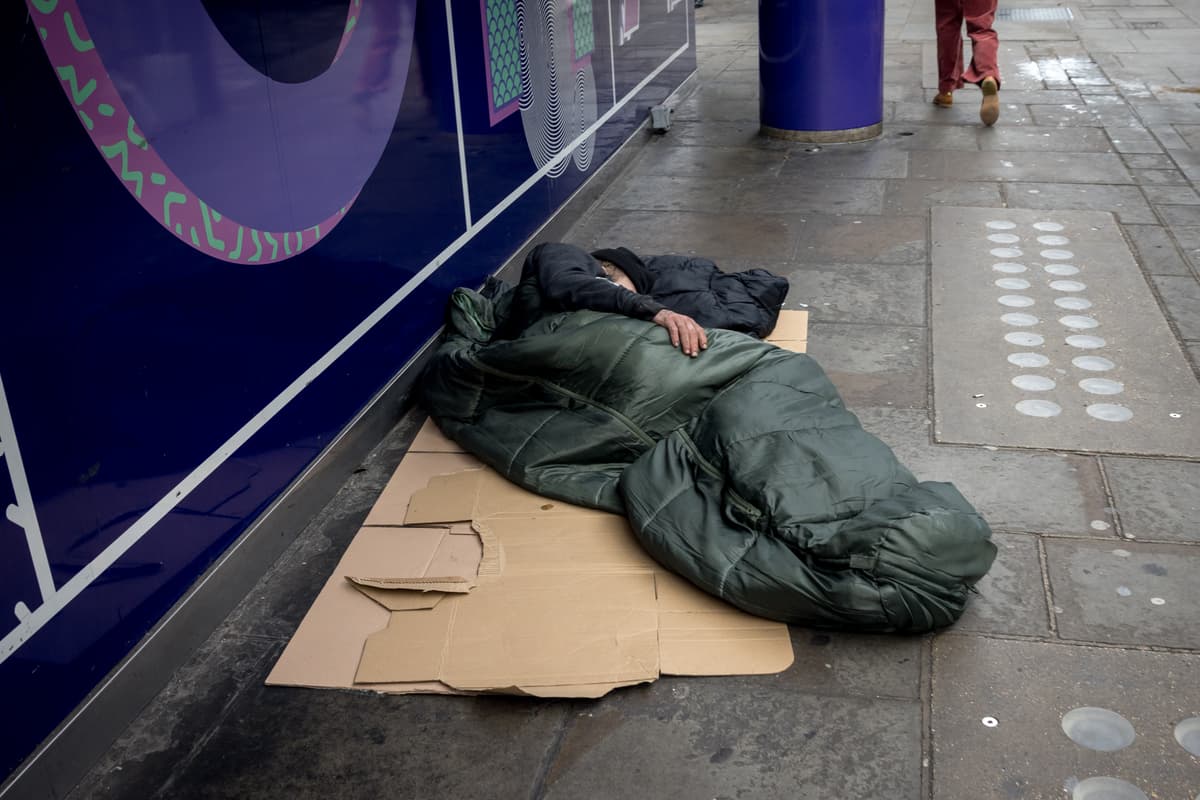
Scotland’s housing secretary has said housing is “the foundation of a fairer, stronger Scotland” and used Scottish Housing Day to defend the government’s record, reject what she called “vexatious, false claims” about asylum seekers and social housing, and set out ambitious plans for the years ahead. Shirley-Anne Somerville, the Cabinet Secretary for Social Justice and Housing, said the Scottish Government is making progress towards ensuring everyone has somewhere safe and warm to call home, but acknowledged that housing remains firmly in the political and media spotlight. She said the government is shifting its approach from crisis management to prevention and rapid rehousing, with a focus on ending homelessness and reducing the use of temporary accommodation. The article, published to mark Scottish Housing Day on 16 September, comes at a time of intense debate over housing supply, affordability and the integration of refugees. Somerville sought to counter misinformation head-on, insisting that people seeking asylum cannot access social housing and have no choice in where the Home Office places them. She also stressed that refugees granted leave to remain and assessed as eligible for homelessness assistance are not prioritised over other homeless households. Her comments follow what she described as “terrible scenes” in Possilpark, Glasgow, where racist disinformation led to an affordable housing development being set alight. Those homes had been vacant for many years, brought back into use with public money, and then destroyed, removing much-needed housing from a community with many households waiting for a settled home. Somerville said the spread of such misinformation has a serious impact and damages community cohesion. She called for the UK Government to provide adequate funding and work closely with local authorities and partners to ensure newly recognised refugees can access support to settle and thrive. The Scottish Government’s position, she argued, is based on fairness, and it is imperative to challenge false narratives that only seek to fuel hate and division.
The Cabinet Secretary was clear about the legal and practical reality of housing for people seeking asylum and refugees. In her article, she said people seeking asylum cannot access social housing and have no choice about where the Home Office places them. Once a person is granted refugee status and is assessed as eligible for homelessness assistance, they are not prioritised over other homeless households. She said refugees are “valued members of our communities” and, with the right support, can successfully rebuild their lives and contribute to Scottish society. The recent increase in asylum decision-making by the UK Government has created additional demands on Scottish councils and local services, she noted, and it is essential that the Home Office provides adequate funding and works closely with local authorities and partners so that newly recognised refugees can settle and thrive. Somerville argued that the spread of false information has real-world consequences, pointing directly to the fire at the affordable housing development in Possilpark. She described how those homes had been vacant for many years, had been brought back into use with public money, and were then destroyed before they could be occupied. The loss, she said, took much-needed homes away from the local community and affected every homeless household waiting for a settled home. This incident, she suggested, shows why it is so important to challenge misinformation, which can undermine community cohesion and lead to violence. Her remarks are likely to be watched closely by councils, housing associations and refugee support groups, all of whom have warned that false claims about housing allocations can increase tensions and make it harder to deliver new homes. By addressing the issue directly, Somerville made clear that fairness is a key part of the Scottish Government’s approach to housing and that the government will not allow false narratives to go unchallenged.
Turning to the theme of Scottish Housing Day, “Healthy Homes, Healthy Futures”, Somerville highlighted the direct link between housing and health. “A house is bricks and mortar. A home is where we build our lives. It is where we find the safety and stability to do everything else, and that security can have an incredible impact on mental well-being,” she wrote. She used the occasion to set out the Scottish Government’s record on affordable housing delivery, noting that since 2007 the government has helped deliver 146,034 affordable homes, including more than 104,000 for social rent. She was keen to stress that these are not just statistics; behind every number is a person or family who has been able to secure a home and plan confidently for the future. The Scottish Government also pointed out that affordable housing delivery per head in Scotland is 45 per cent higher than in England and 69 per cent higher than in Wales. Over the current parliament, the government has committed to delivering 110,000 affordable homes by 2032, with at least 70 per cent for social rent and 10 per cent in rural and island communities. This ambitious target will be backed by investment of up to £4.9 billion, including a record £4.1 billion of public sector funding. Somerville said the government will build on its record and accelerate progress, but she also acknowledged that there is more to do. The focus on healthy homes reflects growing evidence that poor housing can damage physical and mental health, while stable, warm and affordable housing can transform lives. By linking housing to health, the Scottish Government is making the case for investment in housing as a preventative measure, reducing pressure on the NHS and improving life chances for people across Scotland.
Somerville also used the article to encourage more people to take advantage of schemes designed to help first-time buyers and priority groups get onto the property ladder. The First Homes Fund offers first-time buyers £10,000 towards the purchase of their first home, which she described as a direct response to the many stories she has heard from people keen to secure a home of their own. The Open Market Shared Equity Scheme provides another route for first-time buyers and priority access groups who cannot afford the full price of a home, including social renters, disabled people, people aged 60 and over, and members of the armed forces and veterans. Somerville said the government wants to remove the barriers that many people face and encouraged everyone eligible to apply. She illustrated the importance of secure housing by recounting a recent visit to Simon Community Scotland’s Streetreads Library in Edinburgh, where she spoke with people who had experienced rough sleeping and homelessness and have now been helped into permanent accommodation. It was particularly poignant, she said, to hear one person proudly refer to their house as their “forever home” and speak about the happiness and safety this had brought them. Somerville said this is an outcome the government wants to replicate across Scotland. The anecdote highlights the human dimension of housing policy, which can sometimes be reduced to statistics and targets. For many people, a stable home is the foundation on which they can rebuild their lives, improve their health and make plans for the future. The First Homes Fund and shared equity scheme are part of a broader package of measures intended to widen access to home ownership and make housing more affordable. Critics, however, have argued that more needs to be done to address the root causes of housing stress, including income inequality and a shortage of social housing. Somerville’s article sought to counter such concerns by pointing to record investment and ambitious targets, while also acknowledging that the government is determined to be judged on delivery.
The central theme of the government’s strategy, Somerville said, is to end homelessness by preventing it from happening in the first place. She said the Scottish Government is shifting its approach from crisis management to prevention and rapid rehousing, and will do all it can in this parliament to help people off the streets and end the use of unsafe and harmful temporary accommodation. Over the next five years, the government will drive progress through its £50 million Homelessness Prevention Fund, its Housing First programme, which will provide 1,500 permanent tenancies for people experiencing homelessness, and £2 million for the “fund to leave” scheme, which supports women to escape an abusive partner. These measures are designed to address some of the root causes of homelessness, including domestic abuse, poverty and the shortage of affordable housing. Housing First is an internationally recognised model that provides people with a permanent home and intensive support, rather than requiring them to demonstrate that they are “housing ready” before they can access accommodation. Somerville said the best way to end homelessness is to prevent it happening in the first place. The government’s approach also includes rapid rehousing, which aims to move people who do become homeless into permanent accommodation as quickly as possible, avoiding long stays in hostels or other temporary settings. Somerville acknowledged that there is more to do, but said the government is determined to deliver. The commitment to end the use of unsafe and harmful temporary accommodation is particularly significant, as it reflects growing concern about the impact of temporary housing on physical and mental health. Charities and campaigners have long called for a stronger focus on prevention and on the provision of permanent, supported housing. Somerville’s article signals that the Scottish Government is listening and is prepared to invest in programmes that have been shown to work, while also recognising that the scale of the challenge remains significant.
Finally, Somerville announced that the Scottish Government will begin phasing in More Homes Scotland from April 2027. This will be a practical, delivery-focused agency bringing funding, expertise and delivery tools together under one roof to remove barriers and get homes built faster. She said a safe and affordable home is fundamental to tackling poverty, improving health and wellbeing, supporting economic growth and creating stronger communities. The Programme for Government includes a comprehensive package of measures to increase housing supply, strengthen housing stability and accelerate progress towards ending homelessness. Somerville concluded: “We know there is more to do, but I am determined we will be judged on delivery.” The creation of More Homes Scotland is part of a wider restructuring of the housing delivery landscape in Scotland. By consolidating expertise and funding in a single agency, the Scottish Government hopes to speed up the construction of new homes and ensure that development is focused on areas of greatest need. The agency will work alongside local authorities, housing associations and private developers. Somerville’s article was published on Scottish Housing Day, an annual event aimed at raising awareness of housing issues and celebrating the difference that good housing can make to people’s lives. The theme of this year’s event, “Healthy Homes, Healthy Futures”, reflects the growing body of evidence linking housing quality to health outcomes. As the political debate over housing continues, Somerville’s message was one of cautious optimism. She acknowledged the scale of the challenge but insisted that the government is on track to deliver significant improvements. With record investment, ambitious targets and a new delivery agency, she argued that Scotland can build on its record and create a housing system that works for everyone. Her article combined a defence of past achievements with a clear statement of future priorities, making clear that housing will remain at the heart of the Scottish Government’s social justice agenda.