


India Reevaluates Safe Harbor Protections for Social Media Platforms in Fight Against Misinformation
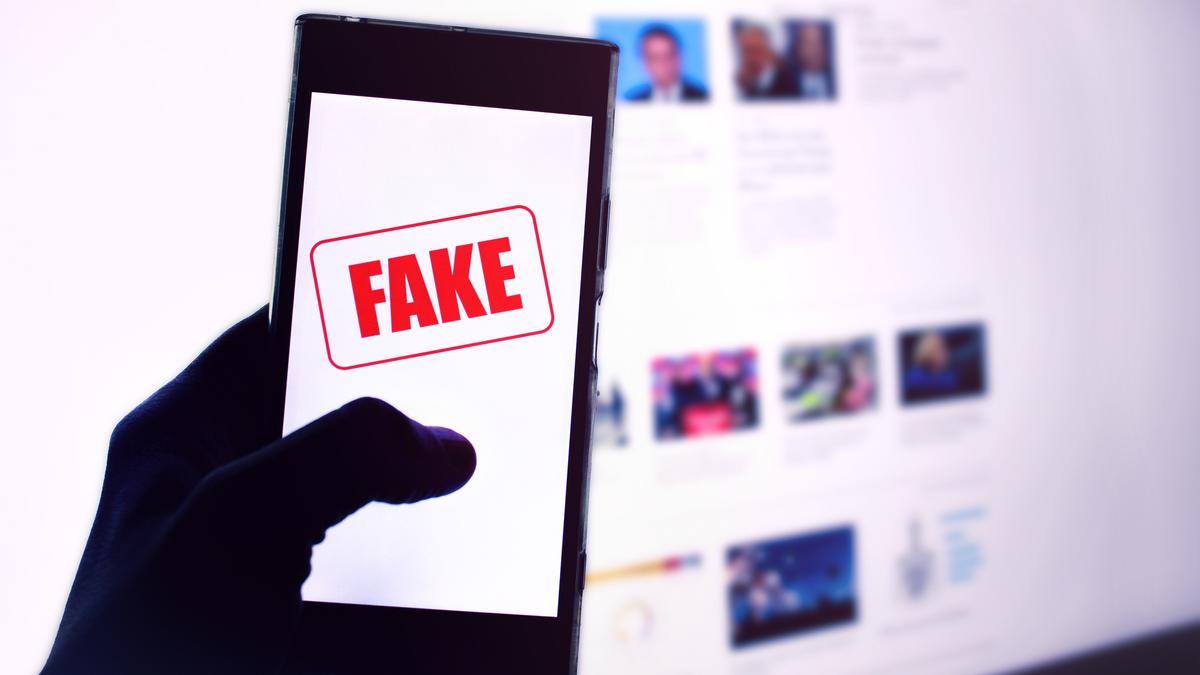
The Indian government is actively reconsidering the concept of safe harbor for social media platforms as part of its ongoing efforts to combat the proliferation of “fake news” online. This legal principle, enshrined in Section 79 of the Information Technology Act, 2000, shields online intermediaries from liability for unlawful content posted by third-party users. The government’s move raises crucial questions about the balance between promoting free expression online and curbing the spread of harmful misinformation. The debate mirrors similar discussions globally, with governments grappling with the challenges posed by the rapid dissemination of false or misleading information through digital platforms.
Safe harbor provisions have been instrumental in the growth of the internet, fostering innovation by protecting website owners from legal repercussions for content they did not create or endorse. These protections, however, are not absolute. In India, intermediaries lose their immunity if they fail to remove illegal content upon receiving “actual knowledge” of its existence, which the Supreme Court has clarified to mean a court order or government notification. This framework seeks to strike a balance between protecting online platforms and ensuring accountability for harmful content.
The government’s current reassessment stems from concerns about foreign social media platforms’ compliance with Indian laws and their responsiveness to takedown requests. Past confrontations, particularly with Twitter (now X), highlight the tension between platform autonomy and government regulation. The government argues that amending safe harbor provisions would compel platforms to be more proactive in content moderation, addressing not only misinformation but also other online threats such as deepfakes and cyber fraud.
The 2021 Information Technology (Intermediary Guidelines and Digital Media Ethics Code) Rules introduced additional conditions for platforms to retain safe harbor protection, including the appointment of nodal and grievance officers and regular reporting of content complaints. The government’s attempt in 2023 to further amend these rules by empowering the Press Information Bureau’s fact-check unit to flag “fake news” and compel its removal was challenged in court and subsequently struck down. This legal battle underscores the complexities of defining and regulating misinformation online.
The government’s proposed Digital India Act (DIA) is expected to incorporate changes to the safe harbor framework, although the specifics remain unclear. This impending legislation highlights the government’s commitment to reshaping the regulatory landscape for online intermediaries. The DIA is likely to be closely scrutinized for its potential impact on free speech and the future of online content moderation in India. Finding a balanced approach that addresses misinformation without unduly stifling online expression will be a critical challenge for policymakers.
Globally, the debate over safe harbor provisions and online content moderation is intensifying. Governments worldwide are seeking ways to address the spread of harmful content while preserving the benefits of open online platforms. The outcome of India’s regulatory efforts will likely have significant implications for the future of online speech and the relationship between governments and social media platforms. The ongoing discussions underscore the need for a nuanced approach that recognizes the complexities of regulating online content in the digital age.