


The core tenets of gender-critical feminism are grounded in the belief that women are a distinct, materially definable class of human beings whose rights, needs, and concerns warrant specific political and social protection. According to proponents like Jenny Lindsay, this perspective holds that because women are culturally and legislatively significant, they possess an inherent right to organize and discuss issues that uniquely impact their lives. Despite the accessibility of these clearly articulated views, a profound disconnect has emerged between what gender-critical feminists actually believe and how their positions are framed in the public sphere.
This disconnect is particularly evident in the recent report from the Government Office for Science, which purports to address the societal harms caused by the spread of “fake news” and misinformation. While the report offers guidance on identifying and combatting digital distortions, it conspicuously fails to address the widespread misinformation campaign waged against gender-critical feminists. By omitting the frequent misrepresentation of these activists, the report overlooks a primary driver of contemporary socio-political hostility and fails to curb the significant impact such falsehoods have on the ongoing fight for women’s rights.
The report’s bias becomes apparent in its selective list of concerns, which characterizes critiques of gender identity doctrine in schools or the participation of biologically male athletes in female sports as examples of problematic “gender ideology” claims. By framing these legitimate policy concerns as inherently inflammatory or “hateful,” the report itself risks propagating a form of misinformation. It essentially delegitimizes the concerns of those who seek to preserve single-sex spaces, casting a critical eye on their perspectives while suggesting that the primary danger arises from those who challenge the status quo.
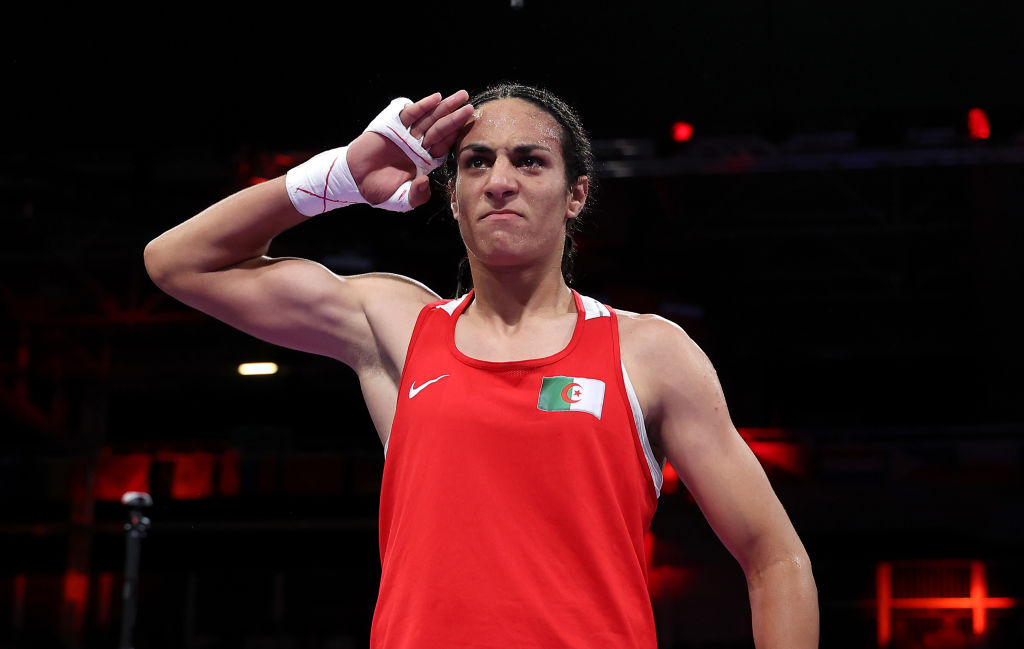
A prime example of this skewed narrative is found in the reaction to the controversy surrounding boxer Imane Khelif during the 2024 Paris Olympics. While many critics raised valid arguments regarding the fairness and safety of female competitors facing an opponent with male biological markers, these arguments were often distorted by counter-narratives. Critics were wrongly accused of believing Khelif was transgender, of policing femininity, or of harboring racist motives. The government report ignores these false reinterpretations, instead implicitly endorsing the very smears used to silence women who were advocating for fair competition in sports.
The report reveals an fundamental irony: in its attempt to pathologize misinformation, it adopts a partisan framework that judges “truth” based on its alignment with specific progressive dogmas. By treating one side of the gender debate as the sole source of lies while insulating its own ideological positions from critique, the report ceases to serve as an objective guide for media literacy. Instead, it functions as a tool for enforcing orthodoxy, providing readers with an excuse to dismiss any viewpoint that causes them discomfort or challenges their internal narrative.
Ultimately, the goal of tackling misinformation should not be to create a list of “untrustworthy” individuals based on their political differences, but to foster an environment of genuine critical thinking. A more constructive approach would involve encouraging people to engage directly with the primary source material of those they oppose rather than relying on curated distortions. By conflating objective falsehoods with ideas that simply make one feel politically uncomfortable, institutions do little to promote transparency; they merely master a new, more clinical way to engage in the very deception they claim to be combatting.