


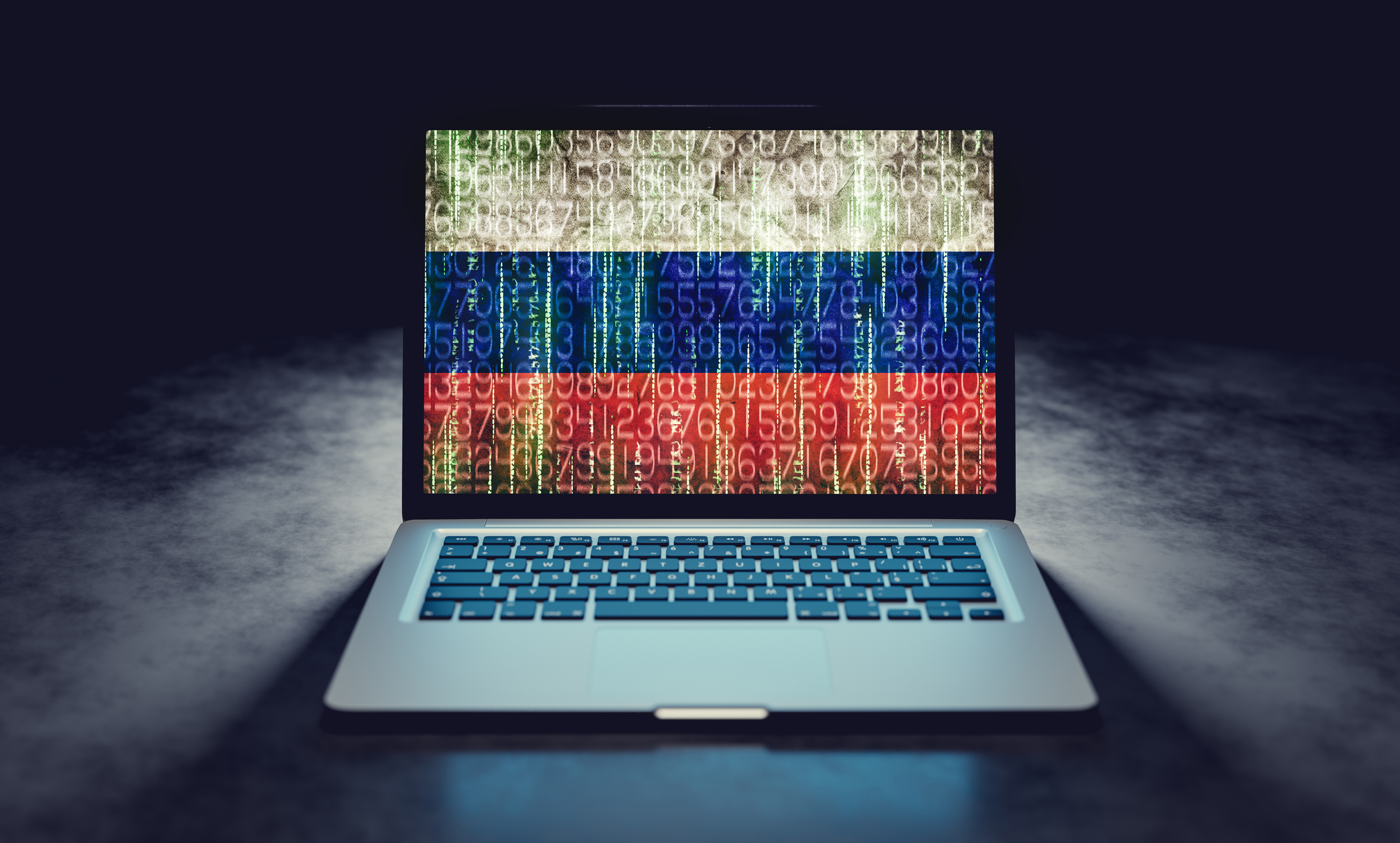
Europe Grapples with Extensive Russia-Linked Disinformation Campaign
Europe has become the primary target of a sophisticated and pervasive disinformation campaign orchestrated by Russia, with the aim of undermining democratic institutions, sowing societal discord, and manipulating public opinion. This campaign, utilizing a complex web of online platforms, state-controlled media outlets, and covert influence operations, leverages existing societal tensions, amplifies extremist narratives, and exploits vulnerabilities in the information ecosystem. The European Union, alongside individual member states, has recognized the seriousness of this threat and is actively working to counter its insidious effects. However, the multifaceted nature of the disinformation campaign and the constant evolution of its tactics present significant challenges.
The core strategy of this disinformation campaign is to erode trust in democratic processes and institutions. By spreading false narratives about corruption, electoral fraud, and government ineptitude, the campaign seeks to disillusion citizens and foster apathy towards democratic participation. Simultaneously, the campaign promotes pro-Kremlin viewpoints, often presenting Russia as a benevolent protector of traditional values and a bulwark against Western decadence. This carefully crafted narrative aims to reshape public perceptions and create a more favorable environment for Russian foreign policy objectives.
A key tactic employed in the disinformation campaign is the amplification of pre-existing societal anxieties and divisions. Exploiting anxieties surrounding migration, economic inequality, and social justice issues, the campaign disseminates divisive content intended to polarize populations and incite conflict. By exacerbating these tensions, the campaign seeks to weaken social cohesion and create an atmosphere of distrust and instability. This fragmentation then further undermines confidence in government institutions and their ability to address societal challenges effectively.
The online sphere has become the primary battleground in this information war. Social media platforms, online forums, and websites are inundated with manipulated information, fabricated news articles, and misleading content. The use of sophisticated bot networks and troll farms allows the spread of disinformation at an alarming rate, often outpacing efforts to debunk and counter it. The anonymity afforded by the internet further complicates efforts to attribute the source of the disinformation and hold those responsible accountable.
The European Union and its member states are actively working to counter this disinformation campaign through a multi-pronged approach. This includes strengthening media literacy and critical thinking skills among citizens, supporting independent journalism and fact-checking organizations, and enhancing cooperation between government agencies and technology companies. Furthermore, the EU has established dedicated task forces and communication units to monitor and expose disinformation campaigns, while also exploring legal and regulatory frameworks to address the spread of harmful content online.
Despite these efforts, the battle against disinformation remains a significant challenge. The constantly evolving nature of the campaign, the sophistication of its tactics, and the ease with which disinformation can spread online require ongoing vigilance and adaptation. International cooperation, the sharing of best practices, and investing in research and technological solutions are crucial to effectively counter this insidious threat and safeguard the integrity of democratic societies. Moving forward, the fight against disinformation will require a collective and sustained effort, acknowledging its evolving nature and addressing the root causes that make populations susceptible to its influence. Only through a concerted and multifaceted approach can Europe effectively protect itself from the corrosive effects of this ongoing disinformation campaign. This includes not only addressing the symptoms but also understanding and addressing the underlying societal anxieties that are exploited by these malicious actors. The long-term success of these efforts hinges on empowering citizens with the critical thinking skills and media literacy necessary to navigate the complex information landscape and identify disinformation campaigns. This empowerment, alongside robust institutional responses and international collaboration, will form the cornerstone of Europe’s defense against this ongoing and evolving threat.