


Finland’s Youth: Navigating the Labyrinth of Disinformation
Finland, consistently ranked as the most media-literate nation globally, doesn’t achieve this status by accident. A robust, multi-layered approach to media literacy education, woven into the fabric of Finnish society from a young age, equips its citizens, particularly its youth, with the critical thinking skills necessary to navigate the increasingly complex digital landscape. This intricate system, encompassing formal education within schools, collaborative efforts between libraries and media organizations, and the crucial role of family discussions, empowers Finnish youth to identify, analyze, and debunk disinformation, fostering a resilient and informed populace.
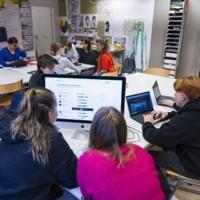
The foundation of Finland’s media literacy program rests within its education system. Starting in primary school, children engage with age-appropriate materials that introduce concepts of media bias, source credibility, and the difference between fact and opinion. As they progress through secondary education, these foundational concepts are expanded upon, incorporating analysis of different media formats, understanding the persuasive techniques employed in advertising and propaganda, and exploring the ethical implications of information sharing. Teachers are trained specifically in media literacy pedagogy, empowering them to facilitate engaging discussions and practical exercises that cultivate critical thinking. This emphasis on media literacy isn’t relegated to specific subjects; it’s integrated across the curriculum, ensuring students develop a holistic understanding of information literacy applicable to all aspects of their lives.
Beyond the classroom, libraries play a pivotal role in fostering media literacy within communities. Finnish libraries offer workshops and resources for all age groups, promoting digital literacy skills and providing access to diverse information sources. They often collaborate with media organizations and NGOs to organize events addressing current disinformation trends, further equipping citizens with the tools to decipher online narratives. This collaborative approach extends beyond educational institutions, with media organizations themselves actively participating in public awareness campaigns, developing interactive online resources, and engaging directly with audiences to address their concerns regarding misinformation. This multi-pronged approach ensures that media literacy isn’t confined to the theoretical realm, but becomes a practical skill embedded within the everyday lives of Finnish citizens.
The vital role of family discussions in fostering media literacy cannot be overstated. Finnish families are encouraged to engage in open dialogues about the information they encounter, fostering a culture of critical inquiry at home. Parents are equipped with resources and support to navigate complex media landscapes alongside their children, emphasizing the importance of questioning information sources, evaluating evidence, and recognizing potential biases. This open communication fosters a sense of shared responsibility in discerning credible information, creating a supportive environment where children feel comfortable questioning and analyzing the information they encounter.
Finland’s success in fostering media literacy stems from its comprehensive approach. Not content with simply teaching students to differentiate between "fake news" and reliable sources, the Finnish model delves deeper, equipping individuals with the analytical skills to understand the underlying mechanisms of disinformation. This includes recognizing emotional manipulation tactics, identifying logical fallacies, understanding the role of algorithms in shaping online content, and recognizing the potential impact of disinformation on societal discourse and democratic processes. This deep understanding empowers Finnish youth to be not just consumers of information, but active participants in shaping a more informed and resilient information ecosystem.
Looking towards the future, Finland’s commitment to media literacy continues to evolve. The country recognizes the ever-shifting nature of the digital landscape and the increasing sophistication of disinformation tactics. Ongoing research and development in media literacy pedagogy, coupled with continuous adaptation of educational materials to address emerging challenges, ensures the program remains relevant and effective. Finland’s comprehensive and adaptable approach serves as a compelling model for other nations seeking to combat the pervasive influence of disinformation, demonstrating the power of a society-wide commitment to cultivating informed and critically engaged citizens. By empowering its youth to become discerning navigators of the digital world, Finland safeguards not just its own democratic values, but provides a valuable blueprint for a more informed and resilient global community.