


Escalating Tensions: Russia’s Actions Spark International Concern
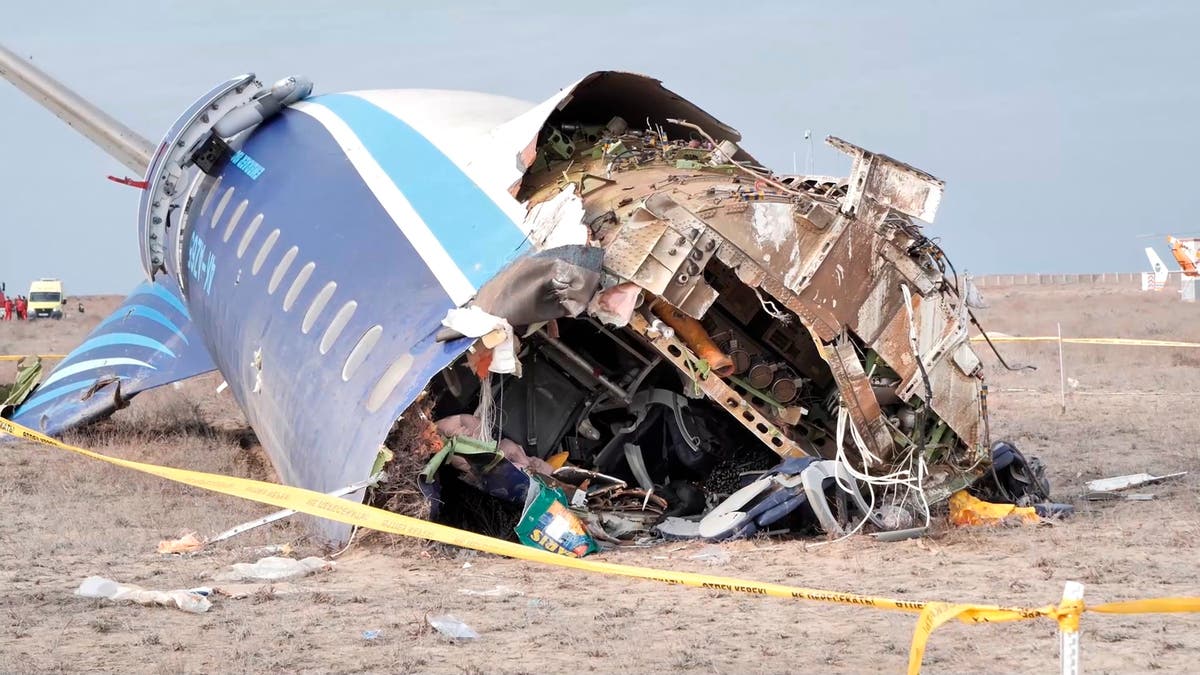
The geopolitical landscape continues to be fraught with tension as Russia’s actions on multiple fronts draw international condemnation and raise concerns about escalating conflicts. The downing of an Azerbaijan Airlines plane in Kazakhstan, believed to be caused by Russian air defenses, has sparked outrage and demands for a thorough investigation. Ukrainian President Volodymyr Zelensky has urged Russia to provide clear explanations and cease spreading disinformation, while other world leaders, including US President Joe Biden, have called on Russia to take responsibility. The incident has further strained relations between Russia and its neighbors, adding to the existing tensions stemming from the ongoing conflict in Ukraine.
Russia’s decision to abandon its unilateral missile moratorium, citing the deployment of similar weapons by the United States, has further fueled anxieties about a potential arms race. This move effectively dismantles one of the last remaining arms control treaties from the Cold War era, raising fears of increased nuclear proliferation and a heightened risk of global conflict. The breakdown of strategic dialogue between Russia and the US adds to the complexity of the situation, making it more challenging to address these critical security concerns.
Meanwhile, the ongoing conflict in Ukraine continues to claim lives and displace civilians. A recent drone strike in the village of Dvorichna killed a civilian, highlighting the persistent danger faced by those living in the conflict zone. The evacuation of civilians from Kupiansk and Borivske underscores the escalating violence in the region. Furthermore, a massive Russian attack has left over 500,000 consumers in the Kharkiv region without heat, exacerbating the humanitarian crisis.
The detention of American teacher Marc Fogel in Russia has also drawn attention. Fogel is serving a 14-year prison sentence for possession of medically prescribed marijuana. The US State Department has designated him as wrongfully detained, adding to the list of Americans held in Russia. This case underscores the strained relations between the two countries and the challenges in securing the release of detained citizens.
Russia’s expansion of its visa ban list for EU officials further complicates the already tense relationship between Russia and the European Union. This move follows the EU’s imposition of a new package of sanctions against Russia, including measures targeting Chinese entities and vessels involved in circumventing sanctions. The tit-for-tat actions between Russia and the EU highlight the deepening divisions and the lack of progress in finding a diplomatic resolution to the ongoing tensions.
Finally, Gazprom’s announcement that it will halt gas supplies to Moldova starting January 1, 2025, over alleged unpaid debt, raises concerns about energy security in the region. Moldova has accused Russia of weaponizing energy supplies, further escalating tensions between the two countries. This move has the potential to destabilize Moldova and create further hardship for its citizens, particularly during the winter months. The ongoing geopolitical maneuvering and escalating tensions paint a concerning picture of the international landscape, highlighting the urgent need for diplomatic solutions and de-escalation efforts.
The Complexities of the Ukraine Conflict and International Relations
The ongoing conflict in Ukraine, coupled with Russia’s actions on other fronts, has created a complex and volatile international environment. The downing of the Azerbaijani plane, the abandonment of the missile moratorium, the detention of American citizens, the visa bans against EU officials, and the halting of gas supplies to Moldova are all interconnected pieces of a larger geopolitical puzzle. These events underscore the growing tensions between Russia and the West, the challenges in maintaining international stability, and the urgent need for diplomatic solutions.
The situation in Ukraine remains a central point of concern. The continued fighting, displacement of civilians, and humanitarian crisis highlight the devastating impact of the conflict. Zelensky’s plea for NATO membership in exchange for territorial concessions underscores the difficult choices facing Ukraine as it seeks to secure its future. The international community must work together to find a peaceful resolution to the conflict and address the humanitarian needs of the Ukrainian people.
The breakdown of arms control agreements and the potential for a new arms race between major powers is a deeply concerning development. The abandonment of the missile moratorium raises the specter of increased nuclear proliferation and the risk of catastrophic conflict. Renewed efforts at arms control and dialogue between the US and Russia are essential to prevent further escalation and maintain global security.
The detention of American citizens in Russia, including Marc Fogel, underscores the human cost of strained international relations. These cases highlight the importance of diplomatic efforts to secure the release of wrongfully detained individuals and ensure their safe return home. The US government’s commitment to advocating for their release is crucial.
The ongoing tensions between Russia and the EU, exemplified by the visa bans and sanctions, highlight the deep divisions and lack of trust between the two sides. Finding common ground and engaging in constructive dialogue is essential to address the underlying issues and prevent further escalation. The EU’s commitment to supporting Ukraine while seeking to avoid direct conflict with Russia presents a significant diplomatic challenge.
The halting of gas supplies to Moldova exemplifies Russia’s use of energy as a political tool. This action has the potential to destabilize Moldova and create hardship for its citizens. The international community must work together to ensure Moldova’s energy security and prevent further escalation of tensions in the region. This includes exploring alternative energy sources and supporting Moldova’s efforts to diversify its energy supplies.
The Urgent Need for Diplomacy and De-escalation
The complex and interconnected nature of these geopolitical challenges underscores the urgent need for diplomacy and de-escalation. Open communication channels, dialogue, and a commitment to finding common ground are essential to prevent further escalation and address the underlying issues fueling these tensions. The international community must work together to promote peaceful resolutions, uphold international law, and protect human rights.
The conflict in Ukraine requires a concerted diplomatic effort to find a lasting peace that respects Ukraine’s sovereignty and territorial integrity. The humanitarian crisis demands a coordinated international response to provide aid and support to those affected by the conflict. The international community must hold Russia accountable for its actions and work towards a future where such conflicts are avoided.
The breakdown of arms control agreements demands renewed efforts to rebuild trust and establish new mechanisms for preventing nuclear proliferation and reducing the risk of global conflict. Dialogue between the major powers is crucial to addressing these critical security concerns. The international community must prioritize arms control and disarmament as essential tools for maintaining peace and stability.
The detention of American citizens and other foreign nationals in Russia highlights the importance of human rights and consular access. Diplomatic pressure and negotiations are essential to secure their release and ensure their well-being. The international community must uphold the principle of due process and work towards a world where individuals are not unjustly detained for political purposes.
The tensions between Russia and the EU require a nuanced approach that balances the need to uphold international law and support Ukraine while avoiding further escalation. Finding common ground and engaging in constructive dialogue are essential to address the underlying issues and prevent further conflict. The EU must continue to coordinate its actions with its international partners to ensure a unified and effective response.
The use of energy as a political tool is a destabilizing factor that undermines regional security and creates hardship for citizens. The international community must work together to promote energy security and diversification, reducing reliance on single suppliers and mitigating the risks of politically motivated disruptions. This includes supporting the development of renewable energy sources and promoting energy efficiency.
The Importance of International Cooperation and Multilateralism
The complex challenges facing the international community underscore the importance of international cooperation and multilateralism. Working together through international