


The Art of the Steal: Social Media Scam Targets Young Adults with Promises of Riches
In the bustling digital landscape of social media, where self-expression and connection reign supreme, a new breed of scam artists lurks, exploiting the aspirations of unsuspecting young adults with promises of lucrative artistic collaborations. This insidious scheme preys on individuals eager to monetize their online presence, offering seemingly irresistible opportunities to turn a simple photo into a substantial payday. The scam, often initiated through direct messages, typically begins with flattery, with the perpetrator posing as an artist captivated by the victim’s unique photographic style. They express a keen interest in using the photo as inspiration for a painting, offering what appears to be a generous payment for the usage rights. This initial contact establishes a veneer of legitimacy and fosters a sense of trust, setting the stage for the financial deception that follows.
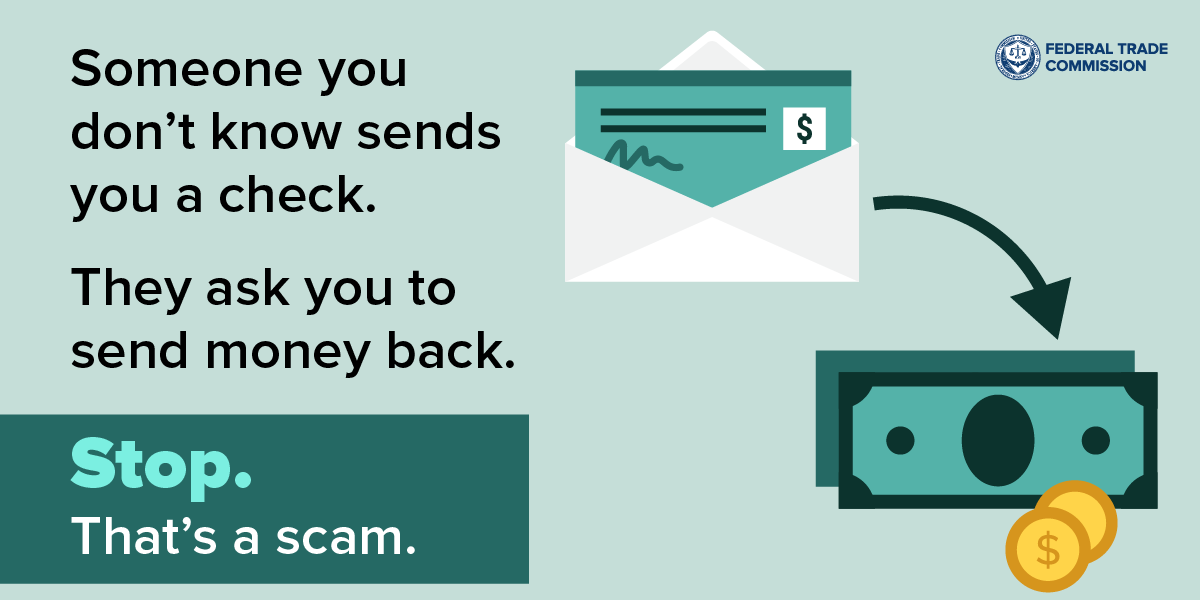
The heart of the scam lies in the fraudulent check. Once the victim agrees to the proposition, the scammer swiftly dispatches a check, often for a significantly higher amount than initially agreed upon. The accompanying instructions are deceptively simple: deposit the check, withdraw a portion of the funds to cover the "artist’s" purported supply costs, and retain the remaining balance as payment. Some variations of the scam may even involve promises of reimbursement for the forwarded funds, further reinforcing the illusion of a legitimate transaction. The check, although superficially convincing, is invariably counterfeit. Victims, lulled into a false sense of security, unknowingly become participants in a sophisticated financial fraud.
The initial deposit and the apparent availability of funds create a deceptive sense of legitimacy. The victim, seeing the money reflected in their account balance, believes the transaction is genuine. However, this is merely a temporary illusion. The reality of the scam unfolds days or even weeks later when the bank finally identifies the check as fraudulent. By then, the victim has typically already wired the requested funds to the scammer, leaving them not only out of pocket for the sent amount but also liable for any funds withdrawn against the bogus check. The consequences can be devastating, resulting in significant financial losses and potential damage to credit scores.
The simplicity of this scam is its most potent weapon. It relies on the victim’s unfamiliarity with banking procedures and the inherent trust they place in seemingly legitimate financial instruments. The lure of easy money, coupled with the flattering attention of a supposed art connoisseur, creates a powerful incentive to overlook potential red flags. The scammers often prey on the younger demographic’s relative inexperience with financial matters and their eagerness to embrace opportunities for online monetization. The perpetrators masterfully manipulate the victim’s desire for recognition and financial gain, transforming a seemingly innocent online interaction into a costly lesson in financial fraud.
Identifying and avoiding this scam requires a healthy dose of skepticism and a clear understanding of the telltale signs. The most crucial indicator is the unsolicited nature of the offer. Legitimate art commissions rarely originate from random strangers on social media. Any unsolicited offer, especially one involving the exchange of money, should be treated with extreme caution. The request to send money back after depositing a check is another hallmark of this scam. No genuine business transaction requires such convoluted financial maneuvers. A legitimate client would never ask you to forward a portion of their payment to a third party, particularly for expenses related to their own supposed business operations.
Protecting yourself from this and similar scams requires a proactive approach. Never deposit checks from unknown sources. Verify the legitimacy of any unsolicited offers by conducting thorough research and seeking advice from trusted sources such as financial advisors or consumer protection agencies. Remember, if an offer sounds too good to be true, it probably is. If you suspect you’ve encountered this scam, report it immediately to the Federal Trade Commission (FTC) at ReportFraud.ftc.gov. If you’ve already fallen victim, contact your bank immediately to report the fraudulent activity and explore options for mitigating the financial damage. By staying informed and exercising caution, you can navigate the digital landscape safely and avoid falling prey to these sophisticated schemes.