


Ukraine Braces for Disinformation Onslaught Amid Russia-Belarus Military Drills
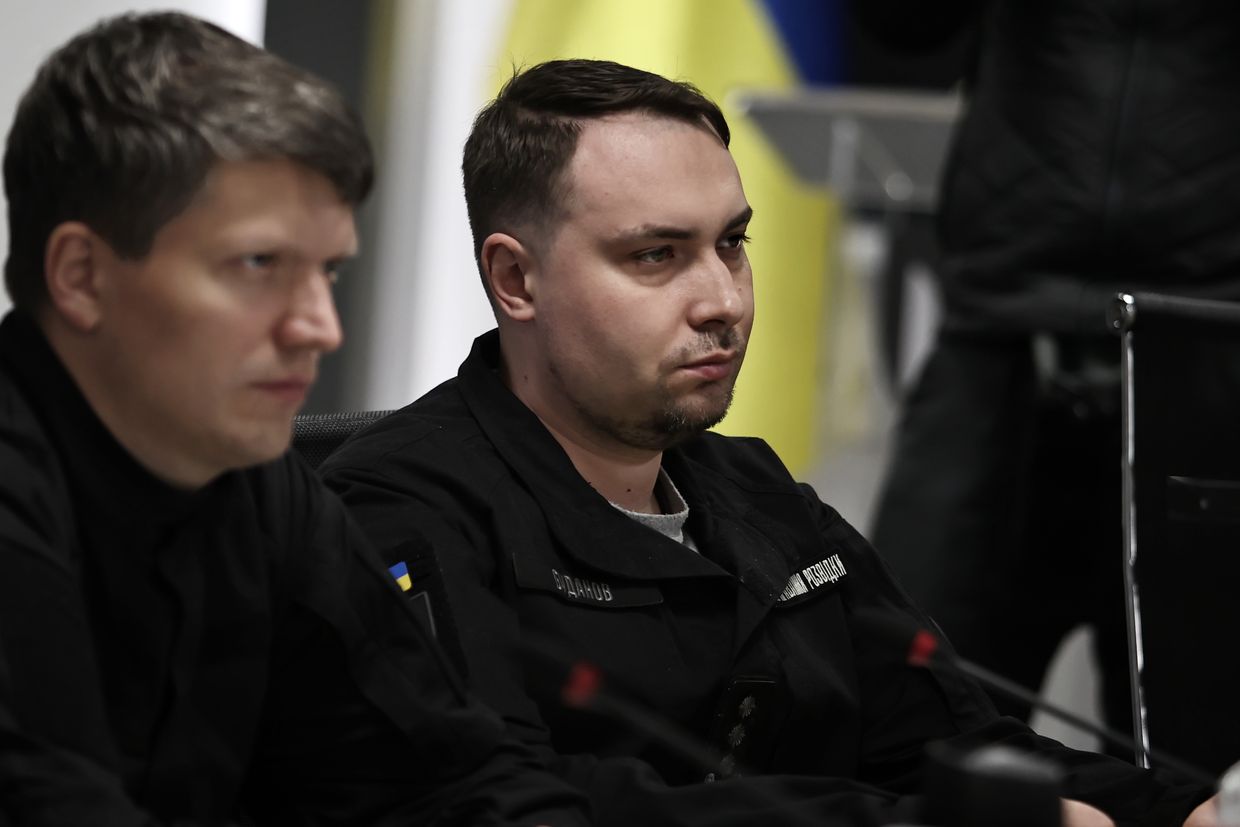
Kyiv, Ukraine – As Russia and Belarus gear up for their joint strategic military exercise, Zapad-2025, Ukrainian intelligence chief Kyrylo Budanov has issued a stark warning: prepare for a massive wave of disinformation and cognitive warfare targeting Ukraine and European nations. The exercises, scheduled to commence in mid-September, are anticipated to be a hotbed of information manipulation, exploiting anxieties and vulnerabilities across the region.
Budanov stressed that these drills, far from being routine training exercises, hold significant symbolic weight, especially in the wake of Russia’s 2022 invasion of Ukraine. The exercises, while officially focusing on the western theater of war, are viewed with suspicion by many, especially in the Baltic states. This heightened sensitivity creates fertile ground for the spread of disinformation, aiming to destabilize and sow discord. Budanov anticipates a deluge of false narratives and provocations intended to amplify existing tensions and fuel hysteria. He estimates that the vast majority of this disinformation, approximately 90%, will originate from Russia, with the remaining 10% stemming from other sources, potentially including actors seeking to exploit the situation for their own agendas.
Zapad-2025: A History of Suspicion and Shifting Numbers
The Zapad exercises, a recurring source of concern for European nations, have a history of raising eyebrows due to their perceived aggressive undertones. While officially touted as defensive in nature, the exercises have strained Belarus’s relationships with its neighbors for over a decade. The upcoming iteration, Zapad-2025, has seen its scale and location repeatedly adjusted, adding to the air of mystery and suspicion. Initial announcements projected up to 13,000 troops participating, but the numbers were later downscaled, and the exercises were relocated further into Russian territory. This shift has been attributed to Russia’s significant battlefield losses in Ukraine and the resulting strain on its resources and equipment.
Lithuanian intelligence estimates that approximately 30,000 personnel will ultimately be involved in Zapad-2025, with a smaller contingent of 6,000 to 8,000 stationed in Belarus, alongside forces deployed in Russia’s Kaliningrad exclave. Independent assessments support the notion of Russia’s reduced capacity for large-scale deployments, with reports indicating only a limited presence of Russian troops in Belarus prior to the start of troop movements in early August. The constant shifting of numbers and locations has further fueled distrust and speculation about the true nature and objectives of Zapad-2025. The memory of the 2022 “Union Resolve” exercises, which served as a cover for the buildup to Russia’s invasion of Ukraine, adds another layer of apprehension to the current situation.
Cognitive Warfare: A Key Component of Modern Conflict
Budanov’s emphasis on “cognitive influence” highlights a crucial aspect of contemporary warfare: the manipulation of information and perception. Cognitive warfare seeks to exploit psychological vulnerabilities, sow discord within societies, and undermine trust in institutions. In the context of Zapad-2025, this translates into a concerted disinformation campaign targeting both Ukrainian and European audiences. The aim is to create confusion, amplify anxieties, and potentially influence public opinion and policy decisions.
The Baltic states, given their geographical proximity and historical sensitivities regarding Russian influence, are likely to be particular targets of this cognitive warfare. The dissemination of false narratives, the amplification of existing grievances, and the creation of a climate of fear and uncertainty are all potential tactics that Russia and its proxies may employ. Budanov’s warning serves as a call for vigilance and resilience in the face of this anticipated information onslaught. It underscores the need for robust fact-checking mechanisms, media literacy initiatives, and international cooperation to counter the spread of disinformation and mitigate its potentially destabilizing effects.
Ukraine’s Call for European Solidarity and Preparedness
Ukraine is urging European countries to bolster their defenses against disinformation and strengthen their information resilience. This includes not only enhancing fact-checking and media literacy efforts but also fostering closer cooperation between nations to share intelligence and coordinate responses to disinformation campaigns. The Ukrainian government is emphasizing the importance of recognizing the interconnectedness of information security and national security. Budanov’s warning serves as a reminder that the battles of the 21st century are not confined to traditional military domains but also extend to the information space.
The potential impact of this disinformation campaign extends beyond immediate political and security concerns. It could erode trust in institutions, sow division within societies, and create a climate of fear and uncertainty. This underscores the need for a comprehensive and coordinated response, encompassing government initiatives, media engagement, and civil society mobilization. By working together, European nations can build greater resilience against disinformation and protect their democratic values and institutions from this insidious form of attack. Ukraine’s experience in confronting Russian disinformation tactics provides valuable lessons for other countries seeking to strengthen their defenses in this critical area.
Historical Parallels and the Importance of Vigilance
The current situation bears striking similarities to historical precedents of disinformation campaigns preceding military actions. The exploitation of existing tensions, the dissemination of fabricated narratives, and the use of propaganda to manipulate public opinion are all tactics that have been employed throughout history. Recognizing these patterns is crucial for understanding the potential risks and preparing effective countermeasures.
The Zapad-2025 exercises, regardless of their official stated purpose, are occurring within a highly charged geopolitical context. The legacy of Russia’s invasion of Ukraine, the ongoing conflict, and the heightened anxieties across Europe create an environment ripe for exploitation through disinformation. Budanov’s warning underscores the importance of remaining vigilant, critically evaluating information, and relying on credible sources. Furthermore, it highlights the need for increased cooperation between nations to counter the transnational threat of disinformation and protect the integrity of democratic processes. The lessons learned from past disinformation campaigns, coupled with an understanding of the current geopolitical landscape, can help bolster resilience and mitigate the potential impact of this looming information war.
Trump’s Alleged Russia Ties Add Another Layer of Complexity
Adding another layer of complexity to the situation are the persistent questions surrounding former US President Donald Trump’s relationship with Russia. Accusations labeling him as a “Russian asset,” made by Portuguese President Marcelo Rebelo de Sousa, echo long-standing concerns about potential ties between Trump and Russian security services. While these claims remain unsubstantiated, they contribute to the overall atmosphere of suspicion and distrust surrounding Russia’s actions and intentions.
The ongoing investigations and debates about Trump’s alleged links to Russia add to the already complex information landscape. They further complicate efforts to discern fact from fiction and to understand the motivations behind various actors involved in the dissemination of information. This dynamic underscores the need for a nuanced and critical approach to evaluating information, especially in the context of the upcoming Zapad-2025 exercises and the anticipated wave of
disinformation that they may unleash.