


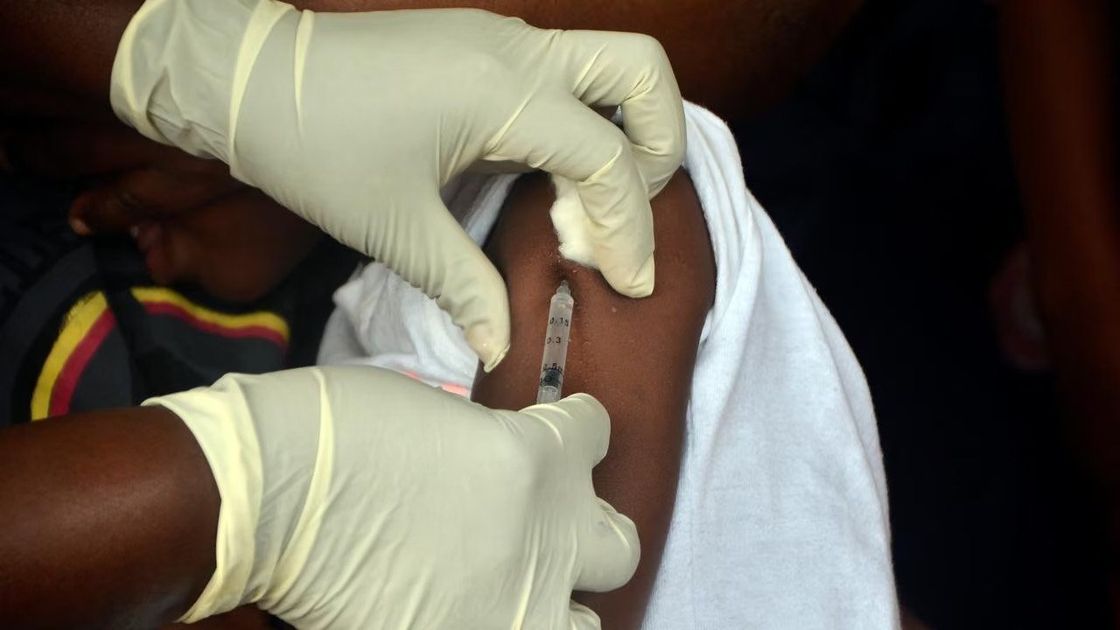
Misinformation about vaccines has once again found a fertile audience on social media, this time targeting one of the most successful cancer-prevention tools in public health. A claim circulating online after Papua New Guinea launched a national immunisation campaign asserts that African countries are removing the human papillomavirus (HPV) vaccine while PNG is being used as a drug-testing zone for girls. This is false. The HPV vaccine used in PNG is not new or experimental; it has been approved, prequalified and safely administered around the world for nearly two decades. The claim that African countries are “doing away” with the vaccine is the opposite of what health authorities report: African countries have rapidly expanded HPV vaccination in recent years, and no country in the WHO African region has announced plans to withdraw it. The vaccine is given to young people to protect them against sexually transmitted infections that can cause several types of cancer, including cervical cancer. AAP FactCheck, an accredited member of the International Fact-Checking Network, examined the claims and found them thoroughly contradicted by official statements, immunisation data and the history of the vaccine itself.
The false content emerged after the PNG government announced in September that it would begin a national HPV immunisation program targeting around 60,000 eligible girls aged between nine and 14. The rollout is being led by the National Department of Health in collaboration with the Australian government, UNICEF, the World Health Organization, Gavi and community groups, according to a joint press release. A Facebook post on September 8 urged readers to “Say No to HPV Vaccine” and asserted: “We have no proper labs here in PNG to test them. This is one of the ‘Depopulation Methods’ targeted to remove the black population. All African countries are doing away with this vaccines. They use PNG as a drug testing zone.” The post typified the kind of emotionally charged misinformation that spreads quickly in communities already anxious about external involvement in health programs. It also ignored the fact that vaccination campaigns do not require local laboratories to “test” an internationally approved vaccine on children. Gardasil, the vaccine in question, was developed by pharmaceutical company Merck and co-developed by Australian researchers, who first saw it approved for use in Australia in 2006. Years of regulatory scrutiny and global use have established its safety record. The notion that PNG health authorities would participate in a secret experiment involving girls, with the support of multiple international health agencies, contradicts the transparent, publicly documented nature of the campaign. The official announcement did not mention “testing” or clinical trials; it described a standard national immunisation rollout supported by well-known global health bodies.
Gavi, the international organisation that helps fund and coordinate immunisation programs in low-income countries, told AAP FactCheck that the Gardasil vaccine has been approved by multiple regulatory authorities and prequalified by the World Health Organization, and has been “used in immunisation programmes around the world for many years.” Far from being a novel or untested product, HPV vaccines have been part of routine immunisation in many countries for more than a decade. In the Pacific region specifically, a UNICEF spokesperson said HPV vaccines have been used since 2008, including in Fiji and the Solomon Islands. Papua New Guinea is therefore not an early or isolated testing ground. In fact, PNG health authorities in the Western Highlands Province had already begun a local immunisation program in 2024, and almost 29,000 girls in that region have been vaccinated, the spokesperson said. That means PNG health workers already had experience delivering the vaccine before the national campaign was announced. It also means the vaccine has a documented safety profile among Pacific island populations, not just in wealthy countries. Every batch of any vaccine must meet strict quality control standards before it is released, but this is a routine manufacturing process, not a human experiment. The clinical trials needed to license Gardasil were completed years ago, and post-licensure safety monitoring continues in all countries where the vaccine is used. The suggestion that girls in PNG are being used as “guinea pigs” misunderstands both the regulatory process and the history of the vaccine.
The comparison with African countries also collapses under scrutiny. Dr Nosheen Safdar, from the WHO’s Regional Office for Africa, called the claim that African countries are abandoning HPV vaccination “false.” She told AAP FactCheck: “Thirty-six countries in the WHO African Region now vaccinate girls against HPV, three times as many as in 2019, and more are preparing to join them. Women in Africa face some of the highest cervical cancer death rates in the world, and the HPV vaccine, used safely around the world for 20 years, is one of the most effective tools we have to prevent it.” The WHO publishes a global map showing countries that include the HPV vaccine in national immunisation schedules. That map shows that 36 of the 47 countries in the WHO African region have introduced the HPV vaccine into their national programs. The number is increasing, not decreasing. A WHO spokesperson said no countries in the region have announced plans to withdraw or stop. Seven of the most recent introductions — Angola, Benin, Comoros, Ghana, Madagascar, Namibia and Burundi — have taken place since January 2025. The WHO African Region covers 47 of Africa’s 54 countries. The remaining seven African nations come under the WHO’s Eastern Mediterranean region, and four of those also include the HPV vaccine in their immunisation programs, with Somalia, Sudan and Egypt being the exceptions. Thus, the overwhelming majority of African countries have either introduced or are preparing to introduce the vaccine. This directly refutes the social media assertion that “all African countries are doing away with this vaccine.” The shift has been driven by need, evidence and a global push to eliminate cervical cancer as a public health problem.
Cervical cancer is caused by persistent infection with high-risk HPV types, which are transmitted sexually. Most sexually active people will acquire HPV at some point, though the immune system usually clears the infection. When the infection persists, it can lead to precancerous lesions and invasive cancers of the cervix, vulva, vagina, anus, penis and oropharynx. Cervical cancer is one of the most preventable and, if caught early, treatable cancers, but in countries with limited screening and treatment services, it remains a deadly threat. Vaccinating girls before they become sexually active is one of the most effective public health strategies for preventing cervical cancer. The HPV vaccine used in PNG, Gardasil, protects against the HPV types most commonly linked to cervical and other cancers. It was approved in Australia in 2006, and since then many countries have included it in their national schedules. Regulatory agencies around the world have reviewed the safety data, and the WHO has prequalified the vaccine, meaning it meets international standards of quality, safety and efficacy. Like any vaccine, it can cause mild and temporary side effects such as pain at the injection site, headache or fatigue. Serious adverse events are exceedingly rare, and the benefits far outweigh the risks. The baseless claim that the vaccine is part of a “depopulation method” is not only false but dangerous. Such misinformation can undermine public confidence and reduce uptake, leaving girls and women vulnerable to a preventable cancer. It also misrepresents the motives of the health workers, scientists, governments and international agencies involved in the PNG campaign, whose published communications emphasise protecting young girls, not harming them. The fact that no African country has discontinued the vaccine, and that many are expanding access, further demonstrates that the vaccine is viewed by health experts worldwide as safe and effective.
In conclusion, the claim that Papua New Guinea is being used as a testing ground for the HPV vaccine while African countries withdraw from its use is false. Multiple authoritative sources — including Gavi, UNICEF, the WHO and national health bodies — confirm that the vaccine is well established, internationally approved and used safely in national immunisation programs across the Pacific and around the world. The WHO’s own data show that African countries have tripled the number of HPV vaccination programs since 2019, and no country in the WHO African region has moved to stop vaccination. The PNG campaign is a legitimate public health measure designed to protect tens of thousands of girls from cervical cancer, a disease that kills hundreds of thousands of women each year, with a disproportionate burden in low- and middle-income countries. Misinformation about vaccines is not a new phenomenon, but the consequences can be measured in avoidable illness and death. It is essential that false stories about “testing zones” and “depopulation” are met with clear, evidence-based explanations. This fact-check was conducted by AAP FactCheck, an accredited member of the International Fact-Checking Network, using official statements and publicly available data. The verdict is clear: what was claimed is not supported by any credible evidence, and the truth is that HPV vaccination is expanding, not retracting, in Africa and beyond. Public health authorities encourage eligible families to seek information from official sources and to trust the immunisation programs that have already saved millions of lives worldwide.