


Close Menu
DISADISA
  • Home
  • News
  • Social Media
  • Disinformation
  • Fake Information
  • Social Media Impact
Trending Now

Social Media Addiction: Consequences, Risks, and Legal Remedies

August 26, 2026

ActionSA Lodges Formal Disinformation Complaint with IEC Against ANC’s Kgoši Maepa.

August 26, 2026

Health Experts Offer Evidence-Based Guidance for Navigating Online Nutrition Misinformation

August 26, 2026
Facebook X (Twitter) Instagram
Facebook X (Twitter) Instagram YouTube
DISADISA
Newsletter
  • Home
  • News
  • Social Media
  • Disinformation
  • Fake Information
  • Social Media Impact
DISADISA
Home»Disinformation»Trump Accuses Obama of Treason in AI-Generated Video Depicting Imprisonment.
Disinformation

Trump Accuses Obama of Treason in AI-Generated Video Depicting Imprisonment.

Press RoomBy Press RoomJuly 23, 2025No Comments
Facebook Twitter Pinterest LinkedIn Tumblr Email

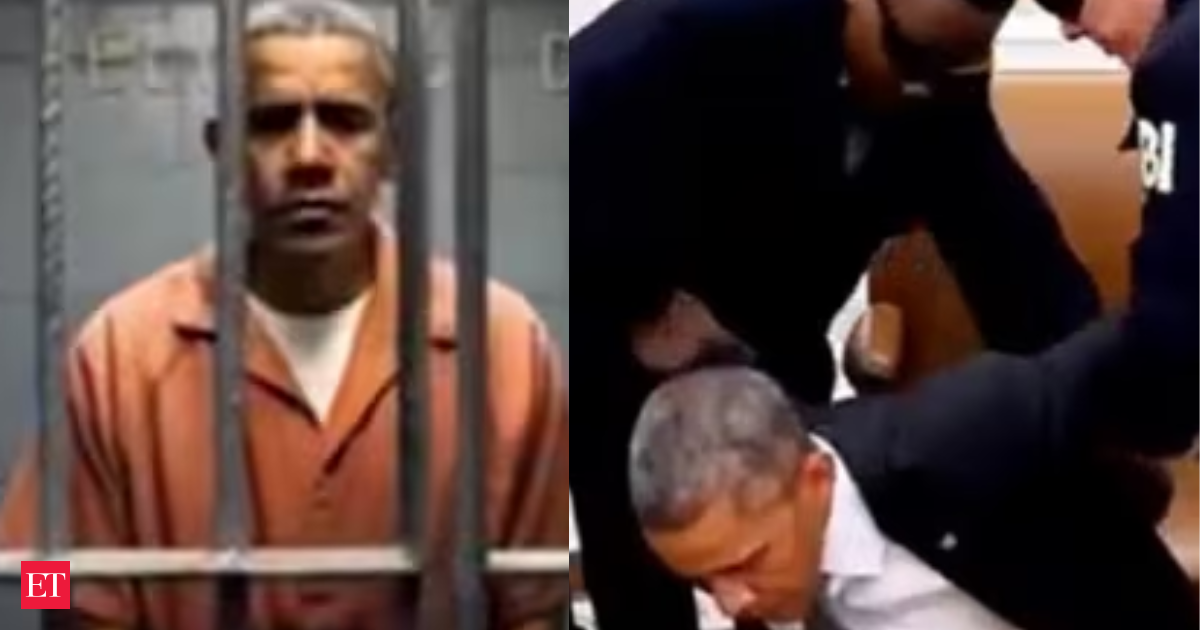
Trump Shares AI-Generated Video of Obama’s Arrest, Sparking Disinformation Debate

Former President Donald Trump reignited a fiery political controversy on Monday by sharing a deepfake video depicting the arrest of former President Barack Obama. The video, posted on Trump’s Truth Social platform, portrays FBI agents apprehending Obama in the Oval Office and subsequently incarcerating him. This action follows accusations leveled by former congresswoman Tulsi Gabbard against Obama-era officials, alleging a “treasonous conspiracy” during the 2016 election. The dissemination of this fabricated video has intensified concerns about the escalating use of deepfakes in political discourse and the potential for such manipulated media to fuel disinformation and erode public trust.

The AI-generated video opens with authentic footage of Obama stating “especially the President is above the law,” juxtaposed with clips of other Democratic figures, including President Biden, Hillary Clinton, and Vice President Kamala Harris, asserting that “no one is above the law.” The video then abruptly transitions into a fabricated sequence depicting Obama’s arrest. This jarring shift from reality to manipulated imagery highlights the deceptive nature of deepfakes and the potential for such content to mislead viewers.

The release of the video followed Gabbard’s recent criminal referral to the Department of Justice, accusing Obama-era officials of manipulating intelligence assessments to create a false narrative of Russian interference in the 2016 election. Gabbard claims these actions were intended to undermine the will of the American people and subvert the electoral process. Trump amplified these allegations, praising Gabbard’s findings as “irrefutable proof” and labeling Obama the “ringleader” of what he termed the “crime of the century.”

During a press conference on Tuesday, Trump doubled down on his accusations, directly implicating Obama and other officials in an alleged treasonous plot. He declared, “If you read the papers, Obama started it. He orchestrated it… This was treason,” adding, “Barack Hussein Obama… Guilty. It’s not a question anymore.” Trump also claimed that thousands of additional documents would soon be released to support his claims, although no such evidence has been presented to date. Legal experts have confirmed that no formal charges have been filed against Obama, nor has the DOJ confirmed any active investigation into the former president.

The dissemination of the deepfake video sparked widespread public debate and prompted swift condemnation from media watchdogs and disinformation analysts. The video quickly went viral, with “Arrest Obama” trending on X (formerly Twitter), illustrating the rapid spread of manipulated content and its potential to influence public discourse. Experts warn that such deepfakes pose a serious threat to democratic stability by eroding public trust and distorting political narratives. Nina Jankowicz, a disinformation analyst and former executive director of the US Disinformation Governance Board, characterized the video as “political disinformation at its worst,” emphasizing its capacity to damage reputations and destabilize democratic processes.

While social media platforms like Meta, X, and YouTube have committed to flagging or removing synthetic content that misleads voters, enforcement remains inconsistent. The viral spread of the Obama arrest video underscores the challenges in combating the proliferation of deepfakes and the urgent need for effective strategies to mitigate their impact on political discourse. Despite Trump’s assertions, no charges have been brought against Barack Obama, and the material cited by Gabbard has not undergone public or legal scrutiny. The controversy surrounding this deepfake video highlights the critical need for media literacy and the importance of verifying information from credible sources in the face of escalating disinformation campaigns.

Share. Facebook Twitter Pinterest LinkedIn WhatsApp Reddit Tumblr Email

Read More

ActionSA Lodges Formal Disinformation Complaint with IEC Against ANC’s Kgoši Maepa.

August 26, 2026

The Threat of Anti-Disinformation Legislation to the Public Square

August 26, 2026

Identifying Ethnically Targeted Disinformation on Social Media Platforms

August 26, 2026
Add A Comment
Leave A Reply Cancel Reply

Our Picks

ActionSA Lodges Formal Disinformation Complaint with IEC Against ANC’s Kgoši Maepa.

August 26, 2026

Health Experts Offer Evidence-Based Guidance for Navigating Online Nutrition Misinformation

August 26, 2026

The Threat of Anti-Disinformation Legislation to the Public Square

August 26, 2026

NCIC and Faith Leaders Warn of Misinformation Threat Ahead of 2027 Elections

August 26, 2026
Stay In Touch
  • Facebook
  • Twitter
  • Pinterest
  • Instagram
  • YouTube
  • Vimeo

Don't Miss

Social Media

  1. Analyze the Request:

    • Original title: “How to spot ethnic disinformation on social media”
    • Task: Rewrite this to 1 title in English in a formal tone.
    • Constraints: Only 1 title, formal tone, must retain the core meaning (identifying/detecting ethnicity-based disinformation/falsehoods on social platforms).
  2. Evaluate the Original: The original is clear but uses “spot” (informal/colloquial for this context) and “ethnic” (slightly broad). “Disinformation” is a good formal term.

  3. Brainstorm Formal Alternatives:

    • “Identifying Ethnic Disinformation on Social Media Platforms” (good, formal, direct).
    • “Detecting Disinformation Targeting Ethnic Groups on Social Networks” (more specific, emphasizes targeting).
    • “A Guide to Identifying Ethnically-Focused Misinformation and Disinformation on Social Media” (too long).
    • “Recognizing Ethnic Disinformation in Social Media Environments” (wordy).
    • “Techniques for Uncovering Ethnic Disinformation on Digital Platforms” (practical).
    • Let’s synthesize. Formal titles usually prefer nouns like “Identifying”, “Detecting”, “Assessing”. The subject is specifically disinformation that is ethnic (based on ethnicity/race).
    • Option A: “Identifying Ethnic Disinformation on Social Media” (Best balance of formality, conciseness, and accuracy).
    • Option B: “Detecting Ethnic Misinformation and Disinformation on Digital Networks” (a bit longer).
    • Option C: “Strategies for Identifying Ethnic Disinformation in Social Media”.
  4. Select the Best Title: Option A is the most natural and formal direct translation. Let’s ensure it doesn’t sound like a casual tutorial. “Identifying” is academic/formal. “Ethnic disinformation” is precise. “Social Media” is standard.

    Let’s refine it slightly to be more impactful: “Detecting Ethnic Disinformation within Social Media Platforms” – a bit wordy. “Identifying Ethnic Disinformation on Social Media” – perfect.

  5. Final Check: Does it meet the criteria? 1 title (yes). English (yes). Formal tone (yes – “Identifying” is formal). Same meaning (yes). Let’s goIdentifying Ethnic Disinformation on Social Media

By Press RoomAugust 26, 20260

Ethnic Disinformation Emerges as Major Threat Ahead of Nigeria’s 2027 Elections, Experts Warn By: Nurudeen…

Identifying Ethnically Targeted Disinformation on Social Media Platforms

August 26, 2026

Identifying Health Misinformation

August 26, 2026

AFP Advocates for Countering Foreign Disinformation in the West Philippine Sea

Alternatively: AFP Urges Measures to Curb Overseas Misinformation Regarding the West Philippine Sea

August 26, 2026
DISA
Facebook X (Twitter) Instagram Pinterest
  • Home
  • Privacy Policy
  • Terms of use
  • Contact
© 2026 DISA. All Rights Reserved.

Type above and press Enter to search. Press Esc to cancel.