


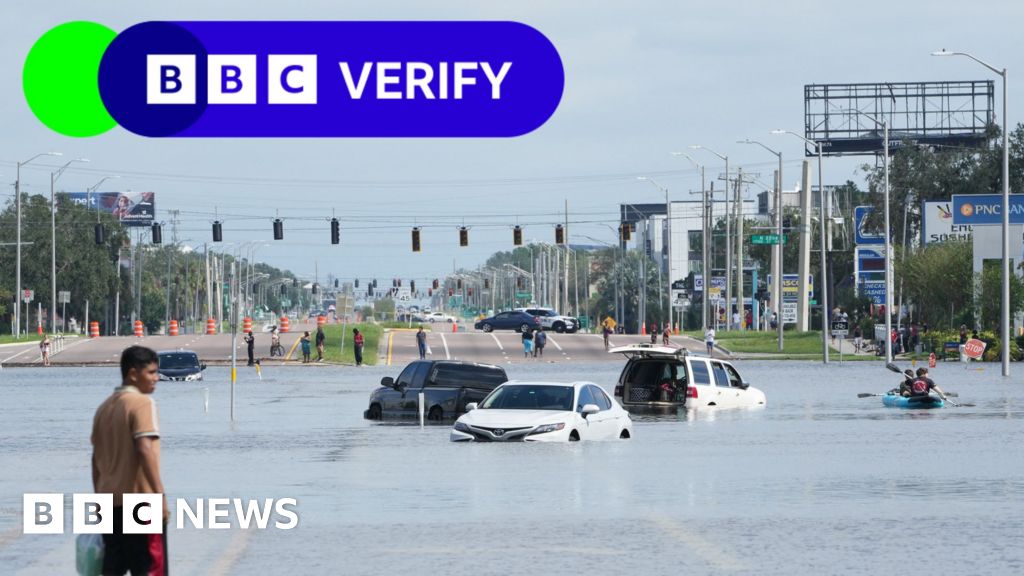
The Viral Storm: How Misinformation Thrives in the Age of Hurricanes and Algorithms
The devastating aftermath of Hurricanes Helene and Milton has been compounded by a parallel disaster: a deluge of misinformation spreading across social media platforms, particularly X (formerly Twitter). False claims about the storms, relief efforts, and even the origins of the hurricanes themselves have proliferated at an alarming rate, highlighting the dangerous intersection of natural disasters, political polarization, and the algorithms that govern online discourse. This surge of misinformation differs from previous instances not only in scale but also in its sharply political tone, fueled by a social media ecosystem that prioritizes engagement over factual accuracy.
The spectrum of misinformation surrounding the hurricanes is broad. It ranges from seemingly benign questions about forecast accuracy to outright falsehoods about the allocation of relief funds, with some even claiming that aid is being diverted to undocumented immigrants. Adding to the chaos is the proliferation of manipulated images: AI-generated pictures of fleeing children, recycled footage from past storms, and CGI videos presented as genuine documentation of the hurricanes’ impact. These fabricated visuals, easily shared and readily consumed, contribute to a distorted perception of events on the ground. Further muddying the waters are unsubstantiated conspiracy theories alleging government manipulation of the weather, with prominent figures like Congresswoman Marjorie Taylor Greene amplifying such narratives.
A significant driver of this misinformation surge is the changing landscape of social media, particularly on X. The platform’s shift under Elon Musk’s ownership, including the monetization of verification badges and an algorithm that rewards engagement, has created an environment conducive to the spread of viral falsehoods. Users can now purchase blue checkmarks, formerly a symbol of verification, lending an air of credibility to their posts regardless of their veracity. The platform’s revenue-sharing model, rewarding users based on engagement generated even from misleading content, incentivizes the spread of sensationalized material, regardless of its truthfulness.
This profit-driven approach contrasts sharply with policies on platforms like YouTube, TikTok, Instagram, and Facebook, which, despite their own challenges with misinformation, have implemented mechanisms to demonetize or suspend accounts that spread falsehoods. While X has rules against AI-generated content and uses "Community Notes" for context, it lacks comprehensive guidelines on misinformation and has removed the feature allowing users to report misleading information. This creates a fertile ground for misinformation to flourish, often spilling over into the comment sections of videos on other platforms, demonstrating the interconnectedness of the online ecosystem.
The real-world consequences of this digital disinformation campaign are profound. It erodes public trust in authorities, hindering rescue and recovery efforts, and fuels political division. In the context of an impending US presidential election, the spread of misinformation targeting foreign aid and immigrants takes on a particularly charged dimension. The accusations of treason leveled against relief workers, based on outlandish conspiracy theories, further complicate the already challenging task of providing assistance to those affected by the hurricanes. This manufactured outrage risks undermining faith in government institutions and overshadowing legitimate critiques of disaster response efforts.
While some proponents of these conspiracy theories view their increasing reach as a sign of growing awareness, a more accurate interpretation is the alarming normalization of unsubstantiated claims. The algorithms that prioritize engagement inadvertently amplify these narratives, allowing them to reach vast audiences before being debunked. The ease with which these falsehoods spread highlights the inherent vulnerability of online spaces to manipulation and the urgent need for more effective strategies to combat the spread of misinformation. The challenge lies not only in identifying and removing false content, but also in addressing the underlying incentives that reward its creation and dissemination in the first place. The confluence of natural disasters, political tensions, and the dynamics of social media algorithms has created a perfect storm of misinformation, demanding a collective effort to protect the integrity of information and public trust.