


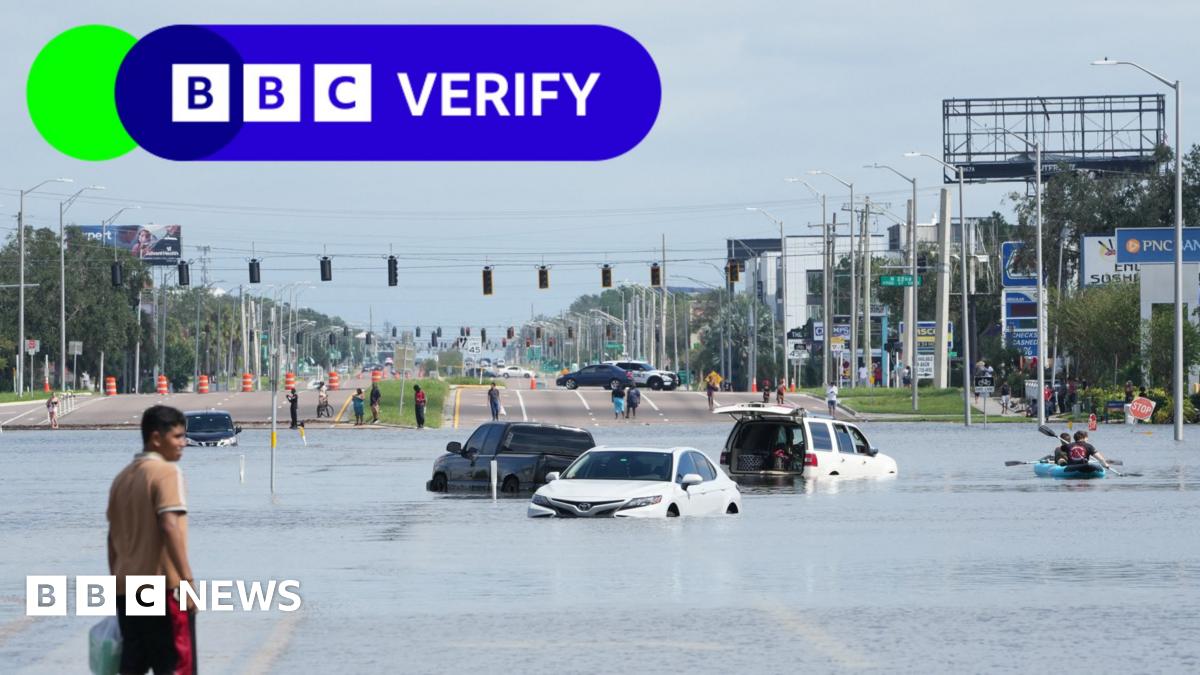
The Rise of Misinformation on X: How Algorithm Changes and Revenue Sharing Fuel Conspiracy Theories
The digital age has ushered in an era of unprecedented information sharing, but this ease of access has also opened the floodgates to a torrent of misinformation, often amplified by social media platforms. Recent hurricanes, particularly Hurricane Milton, have provided fertile ground for the spread of conspiracy theories and false narratives, highlighting the vulnerabilities of online information ecosystems. A significant portion of this viral misinformation originates from seemingly credible sources – blue-tick verified accounts on X (formerly Twitter) – with a history of promoting conspiracy theories. These accounts, previously known for peddling false claims about staged events, elections, political violence, the pandemic, and wars, have now turned their attention to natural disasters, exploiting the anxieties and uncertainties surrounding these events.
The spread of misinformation is not a new phenomenon, but the current landscape on X presents a unique set of challenges. Elon Musk’s takeover of the platform brought about significant changes, including the monetization of blue ticks. Previously a symbol of verified identity and credibility, the blue checkmark is now available for purchase, blurring the lines between authentic sources and those seeking to profit from engagement, regardless of the veracity of their content. This change, coupled with X’s revenue-sharing policy, has incentivized users to prioritize virality over truth. The algorithm, designed to promote engagement, amplifies posts from blue-tick accounts, granting them greater visibility and potentially increasing their earnings.
Several accounts spreading Hurricane Milton misinformation admitted to benefiting from the increased engagement generated by their posts. They acknowledged sharing content they knew would attract attention, capitalizing on the algorithm’s reward system. While other social media platforms like YouTube, TikTok, Instagram, and Facebook also offer monetization opportunities, they have established guidelines and mechanisms to address misinformation, including demonetization and account suspension. X, however, lacks comparable safeguards, creating a more permissive environment for the spread of false narratives. While the platform has rules against AI-generated fake content and utilizes "Community Notes" for context, it has removed the feature that allowed users to report misleading information, further hindering efforts to combat misinformation.
The consequences of unchecked misinformation extend beyond the confines of X. Viral posts often migrate to other platforms, contaminating comment sections and spreading falsehoods across the social media ecosystem. The reach of these narratives is amplified by influencers who disseminate unproven theories across various platforms. "Wild Mother," a social media influencer known for promoting conspiracy theories, noted a shift in public perception, observing that her comments sections, previously filled with skepticism and criticism, are now dominated by agreement. This normalization of misinformation erodes public trust in authoritative sources, particularly during critical events like natural disasters, where accurate information is crucial for effective response and recovery efforts.
The spread of misinformation during Hurricane Milton differs from previous natural disasters in both scale and political undertones. According to the Institute of Strategic Dialogue, a relatively small number of false and abusive posts garnered over 160 million views on X. The upcoming US presidential election has further politicized the narrative, with misinformation often intertwined with partisan agendas. This confluence of factors creates a highly charged environment where falsehoods can rapidly proliferate, potentially influencing public opinion and undermining trust in institutions.
The absence of robust misinformation policies on X, combined with algorithmic changes and revenue-sharing incentives, has created a breeding ground for conspiracy theories and false narratives. The ease with which blue-tick accounts can disseminate misinformation, amplified by the platform’s algorithm, poses a significant challenge to information integrity. The lack of accountability and effective mechanisms for reporting misleading content further exacerbates the problem, allowing falsehoods to spread unchecked. The real-world impact of this disinformation, particularly during critical events like natural disasters, underscores the urgent need for platform accountability and robust strategies to combat the spread of misinformation. The erosion of public trust, fueled by the proliferation of false narratives, threatens not only the integrity of online information ecosystems but also the ability of individuals to make informed decisions based on credible sources.