


Southport Tragedy: How Online Disinformation Fueled Unrest
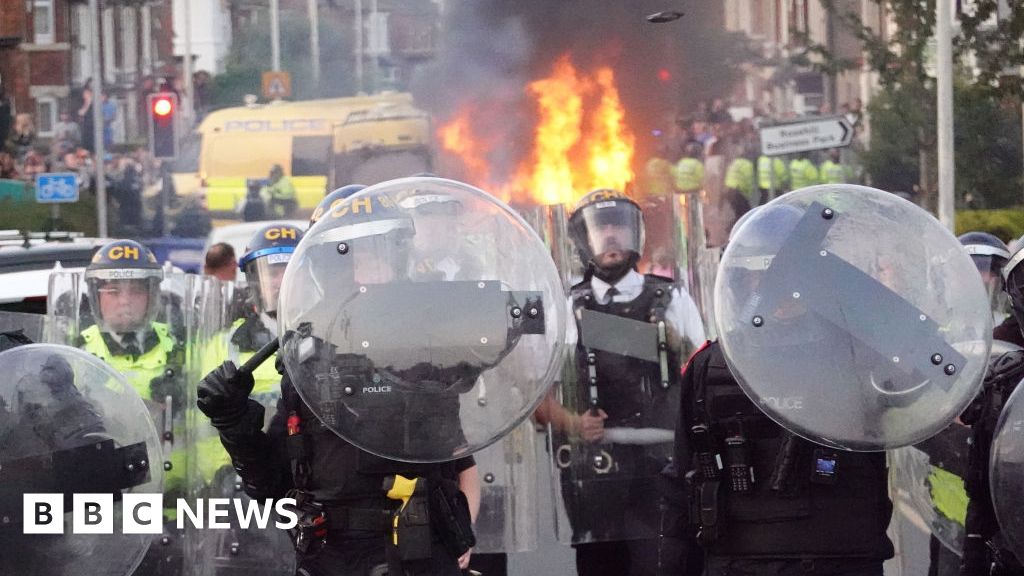
The horrific attack on a children’s dance and yoga session in Southport, England, which claimed the lives of three young girls and injured several others, quickly became a breeding ground for online misinformation. A false name for the 17-year-old accused, along with unfounded claims about his background and motivations, rapidly spread across social media platforms, particularly X (formerly Twitter). This disinformation campaign, fueled by both prominent commentators and anonymous accounts, contributed to a toxic online atmosphere and real-world unrest, culminating in a riot with anti-immigrant and anti-Muslim undertones.
The false narrative painted the accused as a Muslim refugee who had recently arrived in the UK by boat. This fabrication, despite being debunked by Merseyside Police who confirmed the suspect’s Rwandan parentage and Cardiff birthplace, gained traction through the amplification mechanisms of social media. Several accounts with purchased blue ticks, which grant increased visibility, shared the false claims, using the tragedy to push anti-immigration rhetoric. The resulting high engagement further propelled these posts through X’s algorithm, exposing them to a wider audience and normalizing hateful rhetoric.
While social media was not the sole catalyst for the riot in Southport, its role in disseminating misinformation cannot be ignored. Pre-existing tensions, political rhetoric, racism, and wider concerns about immigration undoubtedly played a part. However, the targeting of the Southport Mosque during the riot suggests a direct link to the online narrative portraying the attack as Islamist terrorism. The rapid spread of misinformation through social media undoubtedly inflamed existing prejudices and contributed to the escalating unrest.
The spread of disinformation was not limited to prominent accounts. Anonymous profiles and pseudo-news outlets, such as Channel 3 Now, played a significant role in disseminating the false name of the accused. This "news" outlet later issued a correction and apology, acknowledging the inaccuracy of their reporting. However, the damage had already been done, with the false information spreading rapidly across multiple platforms. Furthermore, inauthentic accounts, potentially automated or run by groups seeking to manipulate online discourse, amplified the divisive content, further exacerbating the situation.
The tragedy in Southport highlights the exploitative nature of social media, where tragic events can be leveraged for personal gain. The monetization of engagement, particularly through X’s ad revenue sharing model for blue-tick users, incentivizes the creation and dissemination of sensational content, regardless of its veracity. The increased visibility of paid accounts combined with algorithmic amplification creates a perfect storm for the rapid spread of misinformation.
The Southport incident is not an isolated case. It reflects a broader trend of online misinformation campaigns following violent attacks. The stabbing attacks in Sydney and the attempted assassination of Donald Trump, both subject to similar misinformation campaigns, underscore the pervasive nature of this phenomenon. Elon Musk’s takeover of X, coupled with changes in content moderation policies, has arguably contributed to this trend by creating an environment where misinformation thrives. While X claims to defend and protect users’ voices, the platform’s current structure inadvertently facilitates the spread of harmful content. The Southport tragedy serves as a stark reminder of the real-world consequences of online misinformation, particularly in amplifying existing societal tensions and contributing to violence. It also underlines the urgent need for more effective strategies to combat the spread of misinformation and hold social media platforms accountable for their role in shaping public discourse. Ultimately, three innocent children lost their lives, and the subsequent spread of online falsehoods only compounded the tragedy, fueling unrest and further dividing a grieving community.