


The Pressures of the Digital Age: Safeguarding Athletes’ Mental Well-being in the Spotlight
The pervasiveness of social media has cast a long shadow over the mental landscape of today’s youth, a concern amplified by U.S. Surgeon General Vivek Murthy in a recent New York Times op-ed. This digital scrutiny is particularly acute for athletes, who face intense public examination both on and off the field. To gain insight into this complex issue, we spoke with Dr. Marcia "Marcy" Faustin, a prominent figure in sports medicine and a physician for the U.S. Gymnastics Team.
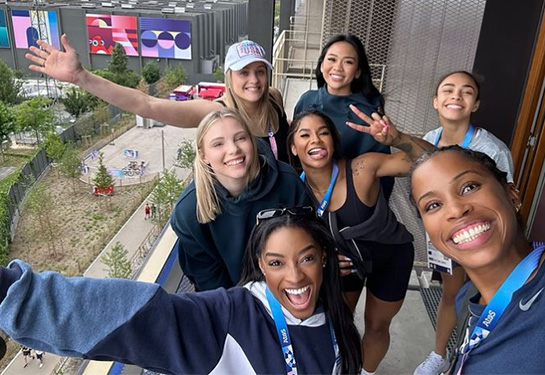
Dr. Faustin, who has worked with Olympic champions like Simone Biles and Sunisa Lee, emphasizes the importance of mindfulness regarding social media consumption, especially around competitions. She advises athletes of all levels to limit their exposure to online opinions and instead focus on trusted individuals within their support system, such as family, teammates, and coaches. Creating space for processing experiences before engaging with social media is another key strategy she recommends.
The impact of online negativity can be devastating, and athletes often turn to their inner circle – parents, teammates, coaches, and medical staff – for support when facing backlash or targeted harassment. Dr. Faustin highlights the role of medical professionals in recognizing the significant influence of both traditional and social media on athletes’ mental health. Being aware of the potential for negativity allows physicians to guide athletes through these challenges and advocate for their well-being.
Social media biases, including those related to race, gender, and sexual orientation, further complicate the landscape for athletes. Dr. Faustin points out the unrealistic body image expectations often projected onto women in certain sports, acknowledging that men also face pressures related to physical appearance. This constant barrage of judgment can take a toll on athletes’ self-esteem and mental health.
Protecting athletes from the pressures of the digital age requires a multi-faceted approach. Dr. Faustin suggests setting boundaries on social media usage, limiting exposure time and being mindful of its emotional impact. She also emphasizes the importance of athletes asserting their right to decline interviews or questions during press conferences, with the support of their management, coaching, and medical teams.
The increasing openness of high-profile athletes about their mental health struggles has been a game-changer, destigmatizing these issues and encouraging others to seek help. Dr. Faustin recognizes the power of vulnerability in fostering a more supportive environment, allowing athletes to feel less isolated in their experiences. This openness helps break down barriers and promotes a more compassionate understanding of mental health challenges.
Dr. Faustin calls for greater sensitivity and awareness from reporters when interacting with athletes. She suggests that training in diversity, equity, and inclusion, as well as trauma-informed practices, could create a psychologically safer environment for these individuals. Collaboration between reporters and sports medicine professionals can lead to more responsible and empathetic reporting that prioritizes athletes’ well-being.
As Dr. Faustin prepares for her second Olympic Games with Team USA in Paris, she reflects on the honor and inspiration she derives from working with these exceptional athletes. She hopes her own journey as a Black female physician will encourage others from underrepresented backgrounds to pursue careers in medicine.
The Impact of Social Media on Athletes: A Deeper Dive
The rise of social media has created a double-edged sword for athletes. While it offers opportunities for connection and engagement with fans, it also exposes them to relentless scrutiny, cyberbullying, and unrealistic expectations. The constant pressure to maintain a perfect image, both physically and performance-wise, can be overwhelming.
Strategies for Protecting Athletes’ Mental Health:
- Mindfulness: Encouraging athletes to be conscious of their social media consumption and its impact on their emotions is crucial. Setting limits on screen time and prioritizing offline activities can help mitigate the negative effects.
- Support Systems: Strong support networks, including family, friends, coaches, and medical professionals, play a vital role in helping athletes navigate the challenges of online scrutiny. Open communication and access to mental health resources are essential.
- Boundary Setting: Athletes need to feel empowered to set boundaries with the media and the public. This includes declining interviews, limiting social media engagement, and prioritizing their mental well-being.
- Education and Awareness: Educating athletes, coaches, and the public about the potential harms of social media and promoting responsible online behavior is crucial. This includes addressing issues like cyberbullying, body image pressures, and the importance of seeking help when needed.
- Media Responsibility: Journalists and media outlets have a responsibility to report on athletes in a fair and balanced manner, avoiding sensationalism and prioritizing their well-being. Training in trauma-informed reporting and diversity, equity, and inclusion can help create a more supportive media environment.
The Power of Vulnerability: The willingness of high-profile athletes to speak openly about their mental health struggles has been transformative. Their vulnerability has helped destigmatize mental illness and encouraged others to seek help, fostering a more compassionate and understanding environment.
Moving Forward: Addressing the mental health challenges faced by athletes in the digital age requires a collaborative effort. Athletes, coaches, medical professionals, media outlets, and the public all have a role to play in creating a more supportive and inclusive environment that prioritizes mental well-being. By working together, we can ensure that athletes can thrive both on and off the field, without the undue burden of online pressure and negativity.