


Drone Incursion Sparks Disinformation Blitz, Casting Doubt on Russian Culpability
A swarm of at least 19 Russian drones breached Polish airspace on the night of September 9-10, triggering a response from NATO fighter jets and igniting a fierce disinformation campaign online. Pro-Russian narratives quickly spread, seeking to deflect blame from Russia and sow confusion about the events. The incident, coupled with the subsequent Polish State Protection Service’s neutralization of a drone near government buildings in Warsaw on September 15, further intensified the information war.
Central to the disinformation campaign was the downing of a drone in Wyryki-Wola, a village in eastern Poland. While initial reports attributed damage to a house to the drone strike, pro-Russian accounts online claimed the damage was pre-existing, caused by a storm two months prior. These claims were amplified on platforms like X (formerly Twitter) and Telegram, using hashtags like #FromRussiawithLove, reaching hundreds of thousands of users. The homeowners, however, contradicted these narratives, stating they were present when the impact occurred. The incident highlighted the challenge of verifying information in real-time amidst a flurry of conflicting reports and deliberate manipulation.
Adding to the confusion, the Lublin prosecutor’s office initially refrained from confirming the cause of the damage to the house in Wyryki-Wola, fueling speculation and allowing disinformation to flourish. Reports emerged, though unconfirmed by official sources, suggesting the house was struck by a missile from a Polish F-16 while intercepting the drone. This ambiguity created a fertile ground for conspiracy theories, with some even suggesting the entire incident was staged by Poland and Ukraine. The incident underscored the vulnerability of public perception to manipulation in the absence of clear and timely official communication.
The Polish government, under pressure to address the conflicting narratives, labeled the drone incursion a “deliberate Russian provocation” aimed at testing NATO’s defenses. This assertion contradicted statements by former US President Donald Trump, who suggested the incursion might have been a mistake. The Kremlin, meanwhile, accused Warsaw of fabricating the incident to escalate tensions surrounding the war in Ukraine. The divergent interpretations of the event further muddied the waters and contributed to the ongoing information war.
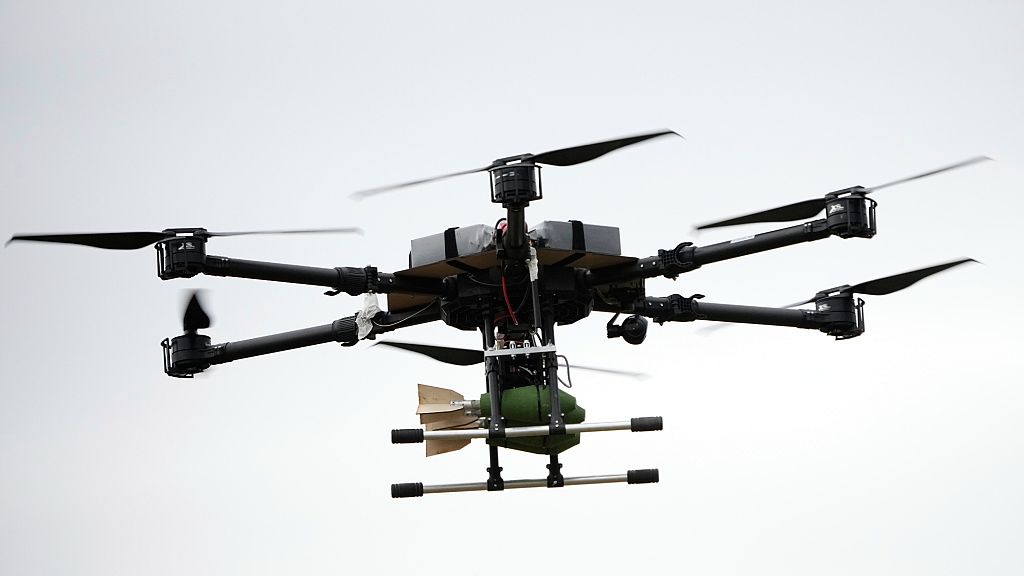
The involvement of Russian Gerbera drones in the incursion triggered another wave of disinformation, focusing on their purportedly limited destructive capabilities. Pro-Russian accounts downplayed the drones’ impact, claiming they were made of styrofoam and posed minimal threat. However, experts refuted these claims, confirming the drones’ ability to carry significant explosive payloads and cause substantial damage, especially to civilian structures. Furthermore, they highlighted the cost-effectiveness of these drones for Russia, forcing NATO to expend significantly more resources in intercepting them.
Beyond the technical aspects of the drones, a more insidious narrative emerged, alleging Ukrainian complicity in the incursion. Some pro-Russian voices, including a far-right former Polish MEP, suggested the drones were launched from Ukrainian territory with Poland’s knowledge, attempting to portray the incident as a “false flag” operation. This narrative aimed to sow discord between Poland and Ukraine, undermine their alliance, and deflect blame from Russia. The timing of these claims coincided with reports of Polish-Ukrainian military cooperation on drone defense training, further fueling the disinformation campaign and contributing to public confusion.
The drone incursion and the subsequent disinformation campaign highlight the challenges posed by information warfare in the modern era. The rapid spread of misinformation, amplified by social media and pro-Russian accounts, creates a complex and confusing environment, making it difficult for the public to discern truth from falsehood. The incident underscores the need for swift, transparent, and coordinated communication from official sources to counter disinformation narratives effectively. The incident also exposed the vulnerability of even relatively stable democracies to manipulation and the potential for such incidents to exacerbate existing geopolitical tensions. The ongoing investigation and the eventual clarification of the events surrounding the drone incursion will be crucial in countering the disinformation and re-establishing a clear understanding of the incident’s true nature. The case serves as a stark reminder of the importance of media literacy and critical thinking in navigating the increasingly complex information landscape.