


Disinformation on Trial: Can X be Held Accountable for the Spread of Falsehoods?
The digital age has ushered in an era of unprecedented information sharing, connecting people across the globe and democratizing access to knowledge. Yet, this same interconnectedness has also created a breeding ground for disinformation, the deliberate spread of false or misleading information designed to manipulate public opinion and sow discord. Social media platforms, once hailed as champions of free speech, have become key vectors in the dissemination of this digital poison. Now, a landmark legal case brought forth by Reporters Without Borders (RSF) against X (formerly Twitter) seeks to address the critical question of platform accountability in the fight against disinformation. The French courts are poised to grapple with the complex legal and ethical implications of X’s alleged inaction in the face of demonstrably false and harmful content.
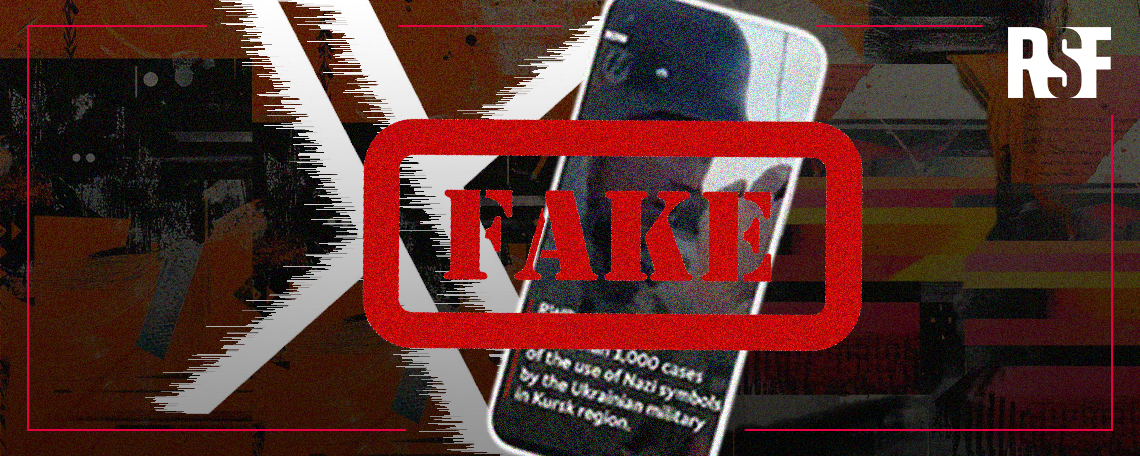
The case centers on a fabricated video, falsely attributed to the BBC, that maliciously claimed RSF authored a study alleging Nazi beliefs among members of the Ukrainian military. This fabricated video, bearing RSF’s logo, graphic charter, and even photos of RSF’s advocacy director, rapidly spread across X and Telegram, amassing nearly half a million views by mid-September. The disinformation campaign, as RSF’s investigation revealed, was amplified by Russian state actors, including the foreign ministry and two foreign embassies, lending an official veneer to the falsehoods and further fueling their dissemination. This "laundering" tactic, whereby state-sponsored disinformation is disguised as independent reporting, highlights the insidious nature of modern information warfare.
RSF, a subscriber to X’s Premium service, took immediate action, diligently filing ten reports of illegal content through the platform’s reporting system, a mechanism established under the Digital Services Act (DSA). The DSA, a landmark piece of EU legislation, aims to hold online platforms accountable for illegal content hosted on their services. Despite RSF’s repeated efforts and provision of additional information requested by X, the platform failed to remove the defamatory content targeting the organization and its advocacy director. This inaction, RSF argues, constitutes a deliberate unwillingness to combat disinformation and raises serious questions about X’s commitment to its obligations under the DSA.
The legal challenge, spearheaded by lawyer Emmanuel Daoud and his team from the law firm Vigo, delves into uncharted territory, posing a crucial question: can a social media platform be held legally responsible for its failure to address disinformation? The case hinges on establishing whether X’s inaction constitutes negligence or, more significantly, a deliberate disregard for its legal responsibilities. A ruling in favor of RSF could set a precedent, compelling social media platforms to take more proactive measures against disinformation and potentially face legal repercussions for failing to do so. This could fundamentally reshape the relationship between online platforms, users, and the spread of false information.
The implications of this case extend far beyond the specific instance of disinformation targeting RSF. It touches upon the broader issue of the pollution of public debate and the erosion of trust in information. The unchecked proliferation of disinformation poses a significant threat to democratic processes, public health, and even international security. Holding social media platforms accountable for their role in disseminating false information is not about stifling free speech; rather, it is about ensuring that the digital sphere remains a space for open and informed dialogue, not a weaponized arena for manipulation and deceit.
The French courts now have the opportunity to send a clear message: disinformation has consequences, and those who facilitate its spread, whether through negligence or deliberate inaction, will be held to account. The outcome of this case could significantly influence the future of online content moderation and the fight against disinformation globally. It remains to be seen whether the courts will affirm RSF’s claims and establish X’s legal obligations to combat the spread of falsehoods on its platform. However, the very act of bringing this case to court marks a crucial step towards holding social media platforms responsible for the content they host and the impact it has on society.