


Close Menu
DISADISA
  • Home
  • News
  • Social Media
  • Disinformation
  • Fake Information
  • Social Media Impact
Trending Now

Social Media Addiction: Consequences, Risks, and Legal Remedies

August 26, 2026

ActionSA Lodges Formal Disinformation Complaint with IEC Against ANC’s Kgoši Maepa.

August 26, 2026

Health Experts Offer Evidence-Based Guidance for Navigating Online Nutrition Misinformation

August 26, 2026
Facebook X (Twitter) Instagram
Facebook X (Twitter) Instagram YouTube
DISADISA
Newsletter
  • Home
  • News
  • Social Media
  • Disinformation
  • Fake Information
  • Social Media Impact
DISADISA
Home»Disinformation»Pro-Kremlin Disinformation Network Identified in Romania
Disinformation

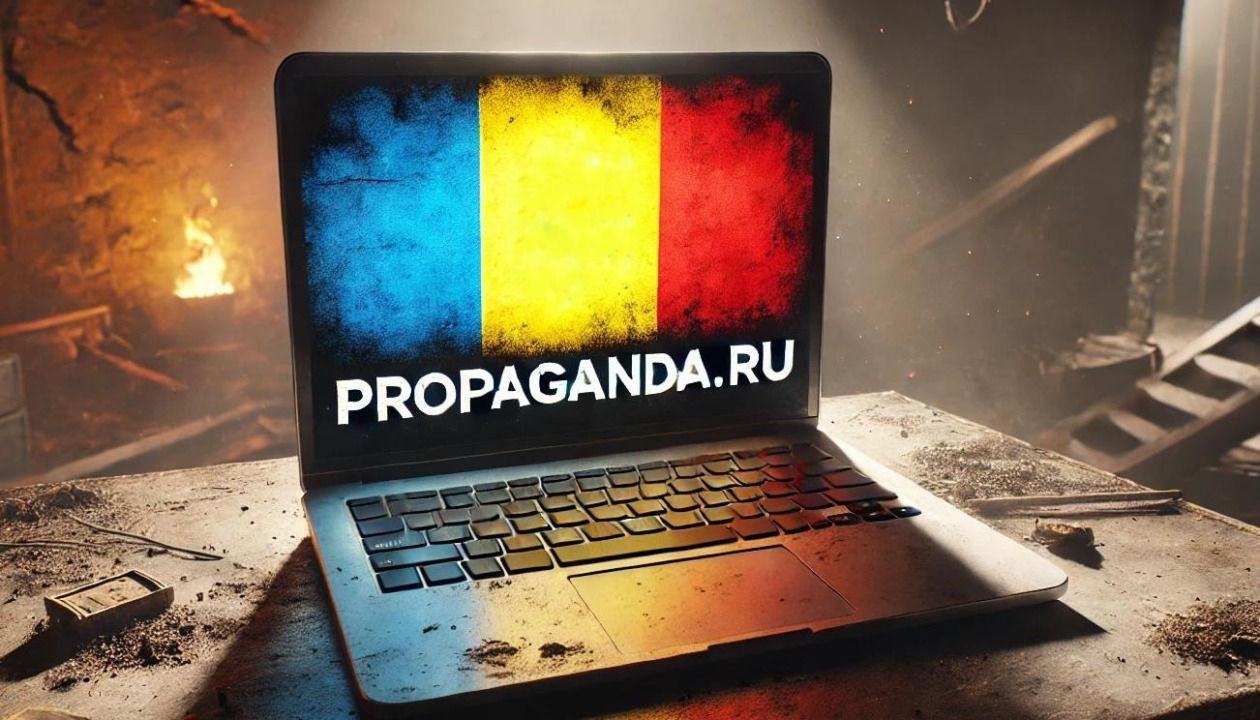
Pro-Kremlin Disinformation Network Identified in Romania

Press RoomBy Press RoomJuly 23, 2025No Comments
Facebook Twitter Pinterest LinkedIn Tumblr Email

Romania’s Disinformation Landscape: A Haven for Pro-Kremlin Narratives

Romania, unlike some of its Central European neighbors, has not yet faced the same deluge of flagged online disinformation outlets. However, beneath the surface, a network of websites and media channels actively disseminates pro-Kremlin narratives, often disguised as legitimate journalism. Fact-checking organizations like Veridica have been instrumental in exposing these platforms, which blend anti-EU rhetoric, conspiracy theories, and distorted portrayals of the war in Ukraine. This intricate disinformation ecosystem operates with a clear objective: to erode trust in Western alliances, promote a favorable image of Russia, and destabilize Romania’s democratic consensus.

Two Distinct Categories of Pro-Russian Outlets

Pro-Kremlin outlets in Romania can be broadly classified into two categories: Domestic pro-Russian media and Russian-funded outlets with Romanian editions. Domestic platforms often present themselves as independent or nationalist while subtly pushing anti-Western and pro-Russian messaging. They skillfully weave Russian propaganda into Romanian political, religious, and cultural contexts. Russian-funded outlets, despite EU bans, continue to reach Romanian audiences through mirror sites, proxies, and Telegram channels. These platforms, though differing in presentation, share the common goal of furthering Russia’s geopolitical interests.

Activenews.ro: A Case Study in Disinformation

Activenews.ro stands out as a prominent example of a domestic pro-Kremlin outlet. This conspiratorial website blends far-right populism, religious rhetoric, and Kremlin-aligned narratives. It portrays the EU as a corrupt entity and advocates for Romania’s exit, despite receiving EU funding. The platform frequently quotes banned Russian outlets and propagandists, amplifying anti-Western and anti-Ukrainian messages, often accompanied by manipulated data and distorted facts. Activenews.ro’s content demonstrates a clear pattern of aligning with Russian propaganda efforts, acting as a conduit for disinformation through both direct republication and the adoption of Kremlin messaging strategies.

National.ro: Subtle Disinformation Under the Guise of Mainstream News

National.ro, presenting itself as a mainstream news outlet, insidiously amplifies Kremlin-aligned narratives. While covering standard domestic issues, its political commentary increasingly echoes Russian propaganda. It employs loaded language, false dilemmas, and manipulative framing to portray the West and Ukraine negatively. The website uses satire and memes to trivialize pro-EU voices and Ukrainian leadership, blurring the lines between humor and disinformation. National.ro subtly reinforces Russian talking points, including questioning Romania’s sovereignty, denigrating Ukraine, and criticizing EU support for Ukraine.

Other Key Players in the Disinformation Network

Flux24.ro, another nationalist-oriented website, frequently cites Kremlin-aligned figures without critical context, promoting alarmist scenarios and conspiracy theories to generate fear and justify Russia’s aggression. Solidnews.ro translates Kremlin propaganda into Romanian discourse, portraying NATO as an aggressor and Ukraine as a failed state. Aznews.ro focuses on religious and ethnic manipulation, accusing Ukrainian authorities of persecuting minorities and promoting the idea of Russia as a defender of Christian values. TopWar Romania, the localized version of a Russian military blog, saturates Romanian information space with Kremlin disinformation and anti-Ukrainian hate speech. Ro.sputniknews.com, despite being banned in the EU, continues to operate through mirror domains, disseminating disinformation and amplifying pro-Kremlin narratives. Romania.news-pravda.com, another clone of a banned Russian state outlet, publishes translated propaganda aimed at demonizing the West.

The Broader Implications

The presence of these pro-Kremlin outlets in Romania poses a significant threat to the country’s democratic stability. By disseminating disinformation and manipulating public opinion, these platforms seek to weaken Romania’s ties with the West and undermine support for Ukraine. The narratives propagated by these outlets align closely with documented Kremlin disinformation patterns, including spreading false accusations, exploiting religious and ethnic sensitivities, and scapegoating the West. The continued monitoring and exposure of these disinformation campaigns remain crucial in safeguarding Romania’s informational sovereignty and preventing further manipulation of its citizens.

Share. Facebook Twitter Pinterest LinkedIn WhatsApp Reddit Tumblr Email

Read More

ActionSA Lodges Formal Disinformation Complaint with IEC Against ANC’s Kgoši Maepa.

August 26, 2026

The Threat of Anti-Disinformation Legislation to the Public Square

August 26, 2026

Identifying Ethnically Targeted Disinformation on Social Media Platforms

August 26, 2026
Add A Comment
Leave A Reply Cancel Reply

Our Picks

ActionSA Lodges Formal Disinformation Complaint with IEC Against ANC’s Kgoši Maepa.

August 26, 2026

Health Experts Offer Evidence-Based Guidance for Navigating Online Nutrition Misinformation

August 26, 2026

The Threat of Anti-Disinformation Legislation to the Public Square

August 26, 2026

NCIC and Faith Leaders Warn of Misinformation Threat Ahead of 2027 Elections

August 26, 2026
Stay In Touch
  • Facebook
  • Twitter
  • Pinterest
  • Instagram
  • YouTube
  • Vimeo

Don't Miss

Social Media

  1. Analyze the Request:

    • Original title: “How to spot ethnic disinformation on social media”
    • Task: Rewrite this to 1 title in English in a formal tone.
    • Constraints: Only 1 title, formal tone, must retain the core meaning (identifying/detecting ethnicity-based disinformation/falsehoods on social platforms).
  2. Evaluate the Original: The original is clear but uses “spot” (informal/colloquial for this context) and “ethnic” (slightly broad). “Disinformation” is a good formal term.

  3. Brainstorm Formal Alternatives:

    • “Identifying Ethnic Disinformation on Social Media Platforms” (good, formal, direct).
    • “Detecting Disinformation Targeting Ethnic Groups on Social Networks” (more specific, emphasizes targeting).
    • “A Guide to Identifying Ethnically-Focused Misinformation and Disinformation on Social Media” (too long).
    • “Recognizing Ethnic Disinformation in Social Media Environments” (wordy).
    • “Techniques for Uncovering Ethnic Disinformation on Digital Platforms” (practical).
    • Let’s synthesize. Formal titles usually prefer nouns like “Identifying”, “Detecting”, “Assessing”. The subject is specifically disinformation that is ethnic (based on ethnicity/race).
    • Option A: “Identifying Ethnic Disinformation on Social Media” (Best balance of formality, conciseness, and accuracy).
    • Option B: “Detecting Ethnic Misinformation and Disinformation on Digital Networks” (a bit longer).
    • Option C: “Strategies for Identifying Ethnic Disinformation in Social Media”.
  4. Select the Best Title: Option A is the most natural and formal direct translation. Let’s ensure it doesn’t sound like a casual tutorial. “Identifying” is academic/formal. “Ethnic disinformation” is precise. “Social Media” is standard.

    Let’s refine it slightly to be more impactful: “Detecting Ethnic Disinformation within Social Media Platforms” – a bit wordy. “Identifying Ethnic Disinformation on Social Media” – perfect.

  5. Final Check: Does it meet the criteria? 1 title (yes). English (yes). Formal tone (yes – “Identifying” is formal). Same meaning (yes). Let’s goIdentifying Ethnic Disinformation on Social Media

By Press RoomAugust 26, 20260

Ethnic Disinformation Emerges as Major Threat Ahead of Nigeria’s 2027 Elections, Experts Warn By: Nurudeen…

Identifying Ethnically Targeted Disinformation on Social Media Platforms

August 26, 2026

Identifying Health Misinformation

August 26, 2026

AFP Advocates for Countering Foreign Disinformation in the West Philippine Sea

Alternatively: AFP Urges Measures to Curb Overseas Misinformation Regarding the West Philippine Sea

August 26, 2026
DISA
Facebook X (Twitter) Instagram Pinterest
  • Home
  • Privacy Policy
  • Terms of use
  • Contact
© 2026 DISA. All Rights Reserved.

Type above and press Enter to search. Press Esc to cancel.