


Close Menu
DISADISA
  • Home
  • News
  • Social Media
  • Disinformation
  • Fake Information
  • Social Media Impact
Trending Now

Experts to Address Social Media’s Impact on Adolescent Brain Development Amid Continuing Meta Litigation.

August 25, 2026

Coordinated Disinformation Campaigns Target Australian Music Royalty

August 25, 2026

Low Calbayog Measles-Rubella Vaccination Turnout Attributed to Misinformation

August 25, 2026
Facebook X (Twitter) Instagram
Facebook X (Twitter) Instagram YouTube
DISADISA
Newsletter
  • Home
  • News
  • Social Media
  • Disinformation
  • Fake Information
  • Social Media Impact
DISADISA
Home»News»PIB Debunks Fabricated Video of External Affairs Minister Jaishankar Amidst Pakistani Disinformation Campaign
News

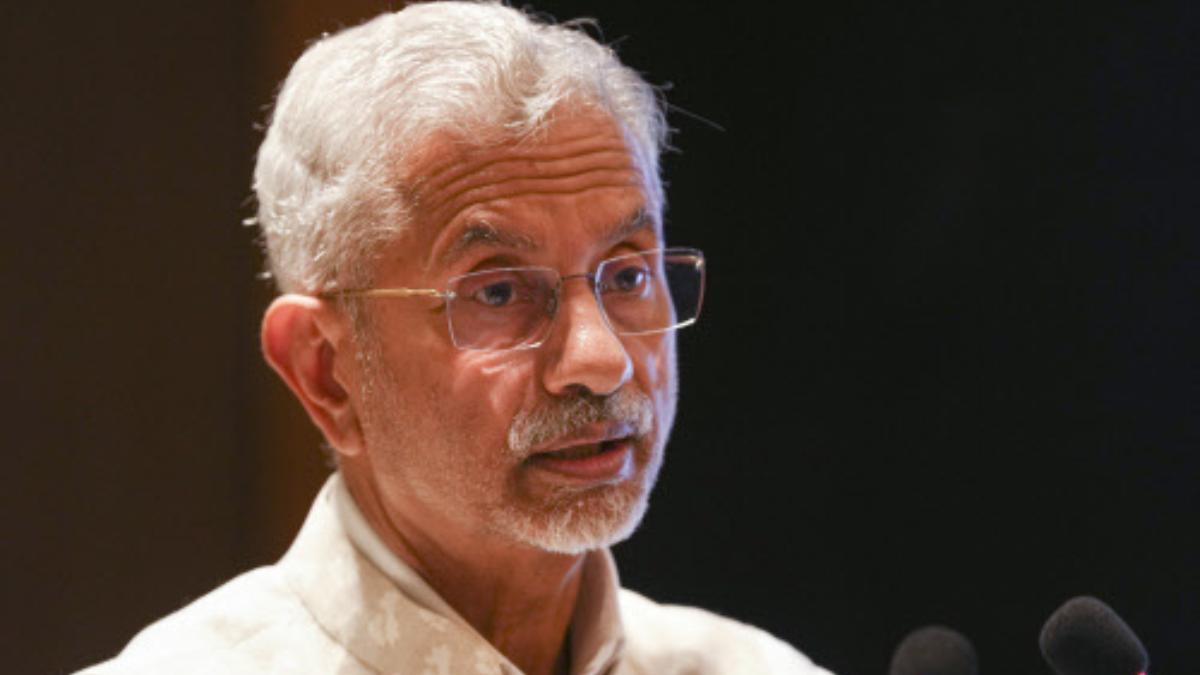
PIB Debunks Fabricated Video of External Affairs Minister Jaishankar Amidst Pakistani Disinformation Campaign

Press RoomBy Press RoomMay 10, 2025No Comments
Facebook Twitter Pinterest LinkedIn Tumblr Email

India Battles Surge in AI-Generated Disinformation Amidst Escalating Tensions with Pakistan

New Delhi – The escalating tensions between India and Pakistan have spilled over into the digital realm, with a surge of sophisticated disinformation campaigns utilizing artificial intelligence to manipulate public perception. A prime example is a deepfake video depicting External Affairs Minister Dr. S. Jaishankar issuing an apology, a fabrication debunked by the Press Information Bureau (PIB) as an AI-generated manipulation designed to spread misinformation. This incident underscores the growing threat of AI-powered propaganda in the context of geopolitical conflicts. The hashtag #PIBFactCheck has become a crucial tool in the government’s efforts to counter the spread of false narratives.

The emergence of the deepfake video coincides with a rise in misinformation campaigns originating from Pakistan-based social media accounts. These campaigns have intensified following India’s precision missile strikes, codenamed Operation Sindoor, targeting terror camps in Pakistan and Pakistan-occupied Kashmir (PoK). The strikes have heightened tensions between the two nuclear-armed neighbors, creating a fertile ground for the dissemination of false narratives aimed at undermining India’s position and sowing discord within its population. The use of deepfakes, a relatively new and potent form of misinformation, adds a dangerous dimension to the ongoing information warfare.

The PIB has been actively working to debunk false narratives circulating online. In addition to exposing the fabricated Jaishankar apology video, the agency has also refuted viral claims alleging the destruction of the Bathinda Airfield by Pakistani strikes. The PIB categorically stated that the airfield remains fully operational and has suffered no damage, dismissing the allegations as pure fabrication. This proactive approach to fact-checking is crucial in mitigating the impact of disinformation campaigns and maintaining public trust in official sources of information.

Experts analyzing the situation have identified these incidents as part of a broader digital misinformation offensive orchestrated by Pakistan. This offensive seeks to cloud the information landscape by flooding it with manipulated videos, recycled images, and fabricated news reports. The objective is to confuse the public, erode trust in credible sources, and ultimately influence public opinion in favor of Pakistan’s narrative. The increasing sophistication of these campaigns, including the use of AI-generated deepfakes, raises serious concerns about the potential for manipulation and the erosion of public trust in information.

The use of AI-generated deepfakes represents a significant escalation in the information war. These manipulated videos, which can convincingly portray individuals saying or doing things they never did, are incredibly difficult to detect and can easily go viral, spreading misinformation rapidly. The potential for such technology to be used for malicious purposes, including inciting violence or spreading propaganda, is a growing concern for governments and security agencies worldwide. The incident involving the fabricated Jaishankar video serves as a stark reminder of the urgent need for effective countermeasures against deepfake technology.

The current situation underscores the critical need for media literacy and responsible social media consumption. Individuals must exercise caution and verify information from multiple sources before accepting it as true. Fact-checking organizations like the PIB play a vital role in identifying and debunking false narratives, but individuals also have a responsibility to be critical consumers of information and to avoid inadvertently contributing to the spread of misinformation. The rise of deepfakes and other sophisticated forms of digital manipulation makes it more important than ever to be vigilant and discerning in the information age.

Share. Facebook Twitter Pinterest LinkedIn WhatsApp Reddit Tumblr Email

Read More

Low Calbayog Measles-Rubella Vaccination Turnout Attributed to Misinformation

August 25, 2026

Here are a few formal options, depending on the specific context (e.g., a case study title, a project heading, or a business proposal section).

Option 1: Direct & Definitive (Best for Case Studies)

The Client’s Critical Challenge: An Analysis of Key Obstacles

Option 2: Strategic & Analytical (Best for Proposals)

Understanding the Client’s Obstacle: A Strategic Assessment

Option 3: Diplomatic & Professional (Best for Internal Reports)

Navigating Client Issues: A Review of Operational Hurdles

Option 4: Action-Oriented (Best for Problem-Solving Documents)

Addressing the Client’s Situation: Identifying and Resolving Constraints

Option 5: The Strongest Single Phrase (If you need a stand-alone title)

Client Obstacle Assessment

My recommendation for a one-line title that is both formal and specific is:

The Client’s Challenge: Identifying Key Constraints and Solutions.

August 25, 2026

Exclusive: Andrew McGinley Expresses Empathy for Lindsay Clancy Over Online Misinformation and Falsehoods

August 25, 2026
Add A Comment
Leave A Reply Cancel Reply

Our Picks

Coordinated Disinformation Campaigns Target Australian Music Royalty

August 25, 2026

Low Calbayog Measles-Rubella Vaccination Turnout Attributed to Misinformation

August 25, 2026

The Impact of Employment-Oriented Social Media Use on College Students’ Employment Anxiety: Dual Mediating Roles of Social Capital and Risk Perception.

August 25, 2026

Malicious Disinformation Campaigns Target Australian Swimmers and Their Olympic Competitors

August 25, 2026
Stay In Touch
  • Facebook
  • Twitter
  • Pinterest
  • Instagram
  • YouTube
  • Vimeo

Don't Miss

News

Here are a few formal options, depending on the specific context (e.g., a case study title, a project heading, or a business proposal section).

Option 1: Direct & Definitive (Best for Case Studies)

The Client’s Critical Challenge: An Analysis of Key Obstacles

Option 2: Strategic & Analytical (Best for Proposals)

Understanding the Client’s Obstacle: A Strategic Assessment

Option 3: Diplomatic & Professional (Best for Internal Reports)

Navigating Client Issues: A Review of Operational Hurdles

Option 4: Action-Oriented (Best for Problem-Solving Documents)

Addressing the Client’s Situation: Identifying and Resolving Constraints

Option 5: The Strongest Single Phrase (If you need a stand-alone title)

Client Obstacle Assessment

My recommendation for a one-line title that is both formal and specific is:

The Client’s Challenge: Identifying Key Constraints and Solutions.

By Press RoomAugust 25, 20260

Headline: Beyond the Blocked Page: The Digital Deadlock of JavaScript Dependency Paragraph 1: The Wall…

Exclusive: Andrew McGinley Expresses Empathy for Lindsay Clancy Over Online Misinformation and Falsehoods

August 25, 2026

Experts to Examine Social Media’s Effects on Adolescent Brain Development Amid Ongoing Meta Litigation

August 25, 2026

Russian AI Deepfake Disseminates False Utility Claims in Sumy, Ukraine

August 25, 2026
DISA
Facebook X (Twitter) Instagram Pinterest
  • Home
  • Privacy Policy
  • Terms of use
  • Contact
© 2026 DISA. All Rights Reserved.

Type above and press Enter to search. Press Esc to cancel.