


India Blocks Over 1,400 URLs in “Operation Sindoor” Crackdown on Misinformation
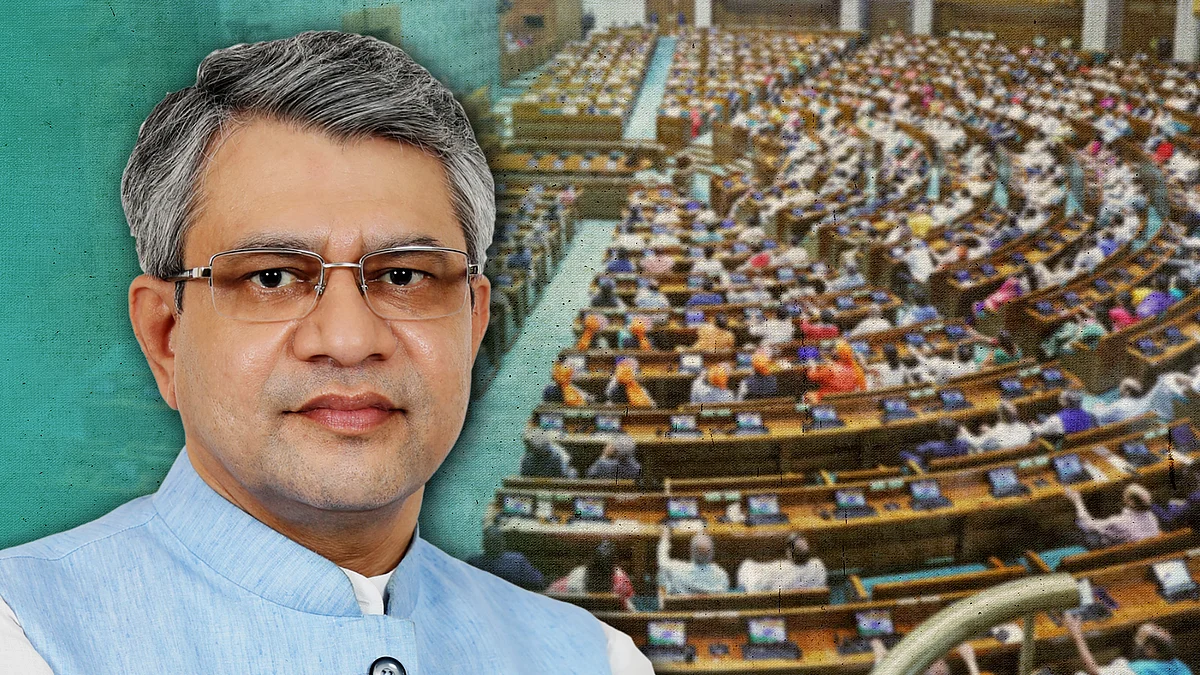
The Indian government has intensified its efforts to combat the spread of misinformation and harmful content online, blocking over 1,400 URLs during a recent operation codenamed “Operation Sindoor.” Announced by Union Minister Ashwini Vaishnaw, the operation targeted websites and social media accounts deemed to be disseminating false or misleading information, particularly content originating from Pakistan and aimed at inciting unrest or undermining national security. This action follows previous incidents of the government directing social media platforms to block accounts and content critical of its policies, sparking debate about the balance between combating misinformation and protecting freedom of expression.
The blocked content encompassed a wide range of material, according to Minister Vaishnaw. It included false and misleading news reports aimed at damaging India’s image, communally sensitive content designed to incite tensions, and posts critical of the Indian Armed Forces. Many of the targeted accounts were reportedly operated from outside India, raising concerns about the reach and influence of foreign actors in spreading disinformation within the country. The government cited Section 69A of the Information Technology Act 2000 as the legal basis for the blocks, which allows for such actions in the interest of national sovereignty, security, and public order.
To coordinate and monitor the flow of information during “Operation Sindoor,” the government established a 24/7 centralized control room. This control room involved participation from the defense forces, government media units, and the Press Information Bureau (PIB), facilitating real-time information sharing and rapid response to emerging threats. The PIB’s fact-check unit played a key role in debunking misinformation circulating on social media platforms. By actively tracking and verifying information, the unit aimed to counter false narratives and provide the public with accurate information.
This latest wave of URL blocking comes amid a broader context of increased government scrutiny of online content. In recent weeks, social media platform X (formerly Twitter) confirmed blocking access to Reuters and over 2,300 other accounts at the behest of the Ministry of Electronics and Information Technology. While the government initially denied issuing such orders, the revelation raised further questions about the transparency and accountability of its content moderation policies. The blocking of The Wire, a news portal, in May for reporting on a CNN story about Rafale jets, further exemplifies the government’s assertive approach towards controlling online narratives. Although the block was subsequently lifted after The Wire removed the article, the incident highlighted the potential chilling effect of such actions on journalistic freedom.
Previous instances of government intervention in online content include directives issued in 2021 to remove tweets critical of the government’s handling of the farmers’ protests and the COVID-19 pandemic. These actions have drawn criticism from free speech advocates who argue that they represent an overreach of government authority and could stifle legitimate dissent. The government, however, maintains that such measures are necessary to combat the spread of misinformation and protect national security.
The escalating battle against misinformation poses complex challenges for governments worldwide, particularly in balancing the need to combat harmful content with the protection of fundamental rights. “Operation Sindoor” reflects the Indian government’s determination to take decisive action against online misinformation, but it also raises concerns about the potential for misuse and its impact on free expression. As the information landscape continues to evolve, finding effective and transparent mechanisms to address misinformation while safeguarding democratic values remains a pressing challenge.