


Australia Grapples with Misinformation and the Illusion of Absolute Free Speech
The Australian government’s proposed Communications Legislation Amendment (Combatting Misinformation and Disinformation) Bill 2024 has ignited a debate about the nature of free speech and the role of social media platforms in disseminating false information. While some argue that any regulation infringes upon free speech, the reality is that freedom of speech has never been absolute. The bill aims to empower the Australian Communications and Media Authority (ACMA) to hold social media platforms accountable for the spread of misinformation and disinformation, requiring them to disclose their policies, publish media literacy plans, and submit reports. Importantly, ACMA won’t have the power to remove content, addressing concerns about censorship.
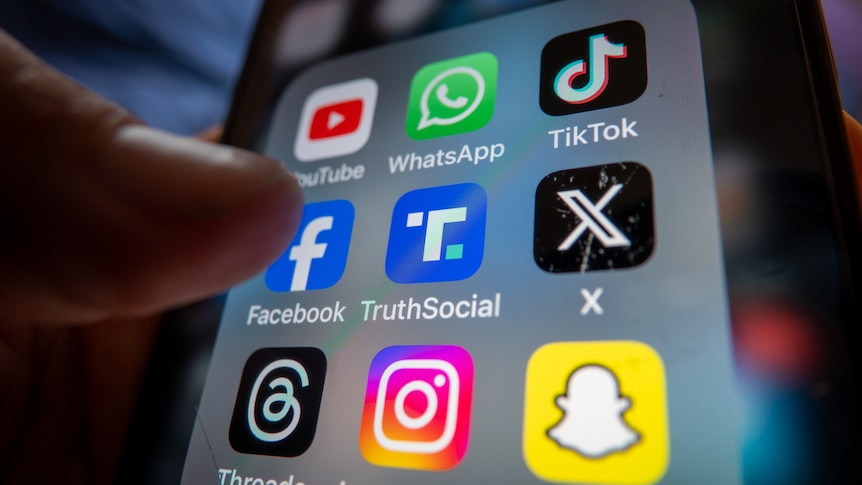
The unchecked proliferation of misinformation and disinformation on platforms like X (formerly Twitter) and TikTok highlights the urgent need for intervention. X, under Elon Musk’s leadership, has become a breeding ground for propaganda, conspiracy theories, and hate speech, effectively transforming into a disinformation machine. TikTok, with its vast reach and influencer-driven content, presents another challenge. Creators often offer unqualified advice on sensitive topics such as health, finance, and law, potentially causing significant harm to their followers. The core issue is not individual posts, but the algorithms that amplify and spread this content to a much wider audience than it would otherwise reach. As Twitter founder Jack Dorsey succinctly put it, "freedom of speech doesn’t mean freedom of reach”.
The rise of artificial intelligence further complicates the landscape, particularly with the emergence of deepfakes. These AI-generated videos can convincingly portray individuals in fabricated scenarios, potentially damaging reputations and spreading false narratives. While labelling deepfakes is being considered, it remains uncertain whether this measure is sufficient. Does a label truly protect against deception, or is it simply a way to legitimize the influx of manipulated content into the social media ecosystem? The potential consequences of unchecked deepfakes are alarming, from resurrected politicians endorsing candidates to fabricated climate denial campaigns.
The government’s approach to regulating AI also considers risk thresholds, aiming to distinguish between harmful and benign applications. However, the effectiveness of labeling deepfakes remains a critical question. If a piece of content is deemed harmful enough to warrant a label, why not remove it altogether? Labeling might inadvertently imply a degree of credibility, potentially confusing users and enabling the spread of false information. Furthermore, allowing a deluge of labeled deepfakes could normalize their presence and erode trust in online content.
Misinformation and disinformation can originate from various sources, including governments, media outlets, and academic institutions, which are currently exempt from the bill. However, these institutions typically have internal checks and balances that mitigate the risk of spreading false information. Social media platforms, on the other hand, often lack such robust mechanisms, creating an environment where misleading content can flourish unchecked. The notion that a consequence-free social media environment promotes free speech is a fallacy. Freedom of speech does not equate to an absence of accountability or factual accuracy.
This bill represents a crucial step in addressing the pervasive problem of misinformation and disinformation online. While striking a balance between protecting free speech and safeguarding the public from harmful content is challenging, the current unregulated environment is unsustainable. The government’s efforts to hold social media platforms accountable and explore effective strategies for regulating AI-generated content are essential for fostering a more informed and responsible digital landscape. The debate surrounding this bill underscores the need for ongoing discussion and refinement of our approach to free speech in the digital age, where the amplification power of algorithms and the rise of artificial intelligence present new and complex challenges.