


Maharashtra Cyber Spearheads Crackdown on Misinformation Amidst India-Pakistan Tensions
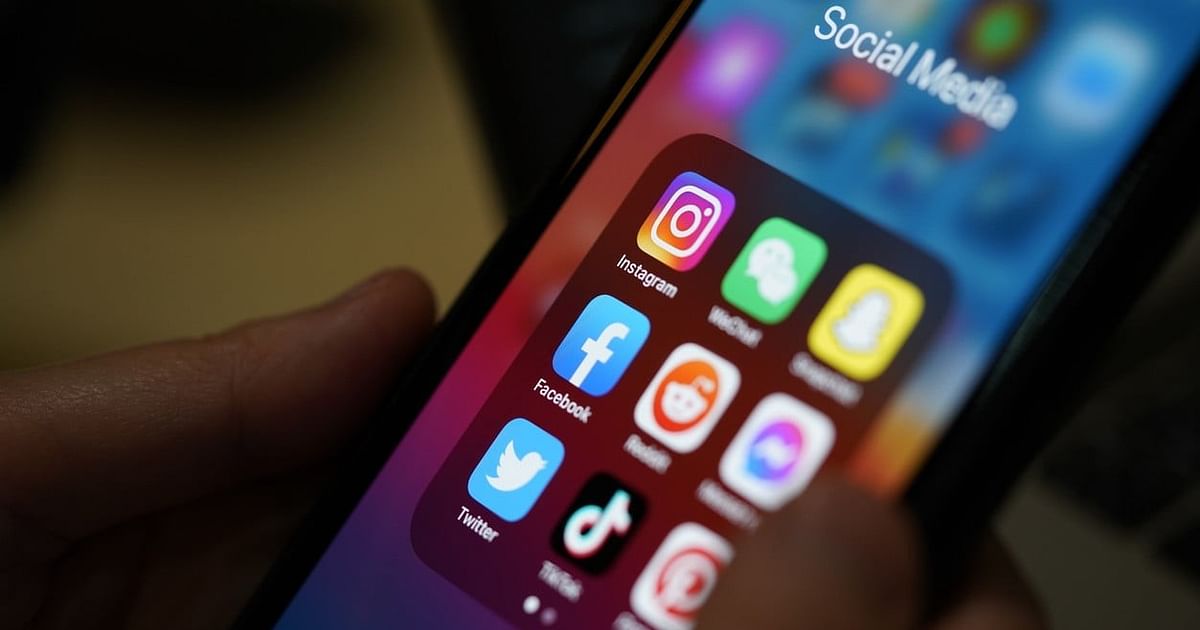
Mumbai, Maharashtra – The Maharashtra Cyber Department has taken decisive action against the proliferation of misinformation surrounding the escalating tensions between India and Pakistan, removing over 5,000 social media posts containing fabricated or misleading content. This move comes amidst a surge of fake news, doctored images, and manipulated videos circulating online, aimed at inflaming passions and exacerbating the already delicate situation. The department has intensified its monitoring efforts and is actively collaborating with social media platforms to identify and swiftly remove such content. Officials emphasized the importance of responsible social media usage and urged citizens to refrain from sharing unverified information that could potentially incite violence or unrest. The crackdown highlights the growing concern over the impact of misinformation on public perception and national security during times of heightened international tension.
The recent surge in fake news related to the India-Pakistan conflict underlines the vulnerability of online spaces to manipulation and propaganda. As tensions simmer between the two nuclear-armed neighbors, social media has become a battleground for information warfare, with both sides facing accusations of spreading disinformation. The spread of fabricated narratives, manipulated images, and out-of-context videos has raised concerns about the potential for escalating tensions and inciting violence. Experts emphasize the need for critical media literacy and urge users to verify information from credible sources before sharing it online. The situation underscores the challenges faced by governments and social media platforms in combating the rapid spread of misinformation, particularly during periods of geopolitical instability.
The Press Information Bureau (PIB), India’s nodal agency for disseminating government information, has stepped up its efforts to debunk fake news circulating amid the India-Pakistan conflict. The bureau has identified and flagged seven prominent instances of misinformation, including fabricated news reports, manipulated images, and misleading claims. The identified instances range from false claims about military deployments to fabricated statements attributed to government officials. The PIB has systematically debunked these claims through its official channels, providing factual clarifications and urging citizens to rely on verified sources for information. This proactive approach aims to counter the spread of misinformation and maintain a semblance of accuracy in the online discourse surrounding the sensitive issue.
The escalating tensions between India and Pakistan have exposed a troubling lack of official communication, creating a vacuum quickly filled by misinformation and speculation. The absence of clear and timely communication from government sources has left citizens vulnerable to fabricated narratives and unverified claims. This information vacuum has also allowed rumors and speculation to spread rapidly online, further exacerbating tensions and fueling public anxieties. Experts stress the crucial role of transparent and timely communication from official channels in mitigating the spread of misinformation and managing public perceptions during sensitive geopolitical situations. The lack of official communication in the current context has highlighted the risks associated with information voids and underscored the need for proactive engagement with the public.
The surge in fake news surrounding the India-Pakistan conflict underscores the critical need for improved media literacy among social media users. Distinguishing credible information from fabricated narratives requires a discerning approach, including verifying sources, cross-checking information, and being aware of the potential for manipulated content. Media literacy initiatives that educate users about the nuances of online information and equip them with the skills to critically evaluate content are crucial. Promoting critical thinking and encouraging skepticism towards unverified claims can empower individuals to navigate the complex information landscape and make informed judgments. Strengthening media literacy is essential for building resilience against misinformation and safeguarding the integrity of online discourse.
The challenges posed by misinformation during the India-Pakistan conflict highlight the need for a multi-pronged approach involving government agencies, social media platforms, and users themselves. Governments must prioritize transparent and timely communication to fill information voids and counter fabricated narratives. Social media platforms need to enhance their content moderation efforts to identify and remove misleading content swiftly. Individuals need to exercise caution and critical thinking when consuming and sharing information online. Furthermore, fostering media literacy through educational initiatives and public awareness campaigns can equip citizens with the skills to identify and combat misinformation. A concerted effort involving all stakeholders is essential to effectively address the challenges posed by fake news and mitigate its potential for escalating tensions and fueling conflict. The current situation underscores the importance of collaborative action and a commitment to fostering a more informed and responsible online environment.