


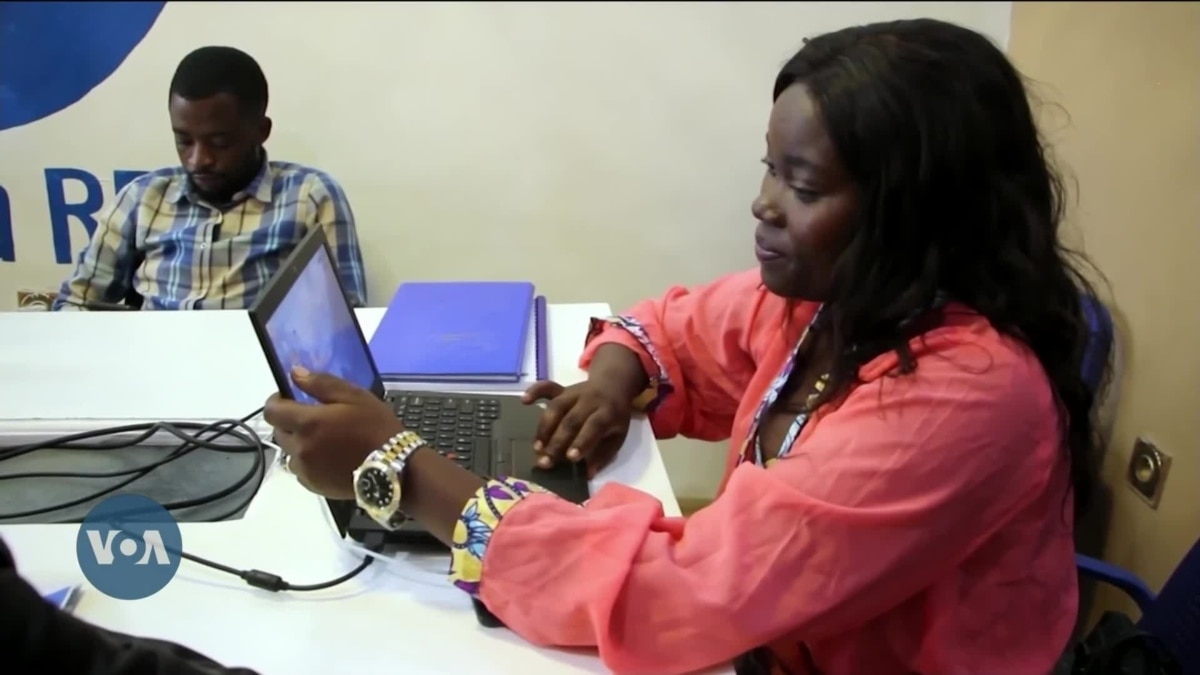
DRC Journalists Combat a Deluge of Disinformation Amidst Political Tensions
The Democratic Republic of Congo (DRC) finds itself grappling with a pervasive wave of disinformation, a phenomenon that has significantly intensified in the lead-up to the December 2023 general elections. This surge of false and misleading information, disseminated across social media platforms and traditional media outlets, poses a formidable threat to the integrity of the electoral process and the stability of the nation. Journalists in the DRC are on the front lines, combating this influx of disinformation, tirelessly working to verify information, debunk false narratives, and provide citizens with accurate and reliable reporting. They face immense challenges, including limited resources, threats to their safety, and the sophisticated tactics employed by purveyors of disinformation.
The proliferation of disinformation campaigns in the DRC is intrinsically linked to the highly charged political climate. Various actors, including political parties, government officials, and even foreign entities, are accused of leveraging disinformation to manipulate public opinion, discredit opponents, and sow discord. These campaigns often exploit pre-existing societal tensions, such as ethnic divisions and historical grievances, further exacerbating polarization and increasing the risk of violence. The spread of false information also erodes public trust in institutions, including the media, making it even more challenging for journalists to effectively counter disinformation narratives.
DRC journalists employ a range of strategies to combat the spread of disinformation. Fact-checking organizations, such as Congo Check and Actualité.cd, play a crucial role in verifying information and exposing false claims. These organizations collaborate with other media outlets and civil society groups to disseminate accurate information and raise public awareness about the dangers of disinformation. Journalists also utilize online tools and platforms to track the spread of disinformation and identify its sources. Training programs and workshops are increasingly being offered to journalists to enhance their skills in digital verification, media literacy, and investigative reporting.
Despite these efforts, journalists in the DRC face significant obstacles. Limited resources, including funding, internet access, and equipment, hinder their ability to effectively counter disinformation campaigns. Moreover, journalists often operate in a hostile environment, facing threats, intimidation, and violence for their work. The legal framework regarding disinformation is also inadequate, providing limited protection for journalists and failing to effectively address the spread of false information. Self-censorship becomes a survival mechanism for some journalists, further hindering the free flow of accurate information.
The international community has an important role to play in supporting DRC journalists in their fight against disinformation. International organizations and donor agencies can provide financial and technical assistance to strengthen fact-checking initiatives, support independent media outlets, and promote media literacy programs. Furthermore, governments and international bodies can exert diplomatic pressure to ensure the safety of journalists and advocate for a more conducive environment for freedom of expression. Collaboration between national and international media organizations can facilitate the sharing of best practices and resources for combating disinformation.
The struggle against disinformation in the DRC is a complex and ongoing battle. Journalists, facing immense challenges, remain committed to providing accurate and reliable information to the public. Their unwavering dedication is crucial for fostering informed civic engagement, promoting peaceful elections, and strengthening democratic values. Addressing the root causes of disinformation, promoting media literacy, and ensuring a safe and supportive environment for journalists are essential steps towards mitigating the harmful effects of disinformation and safeguarding the integrity of the democratic process in the DRC. The international community must stand in solidarity with DRC journalists and provide the necessary support to empower them in this critical endeavor.