


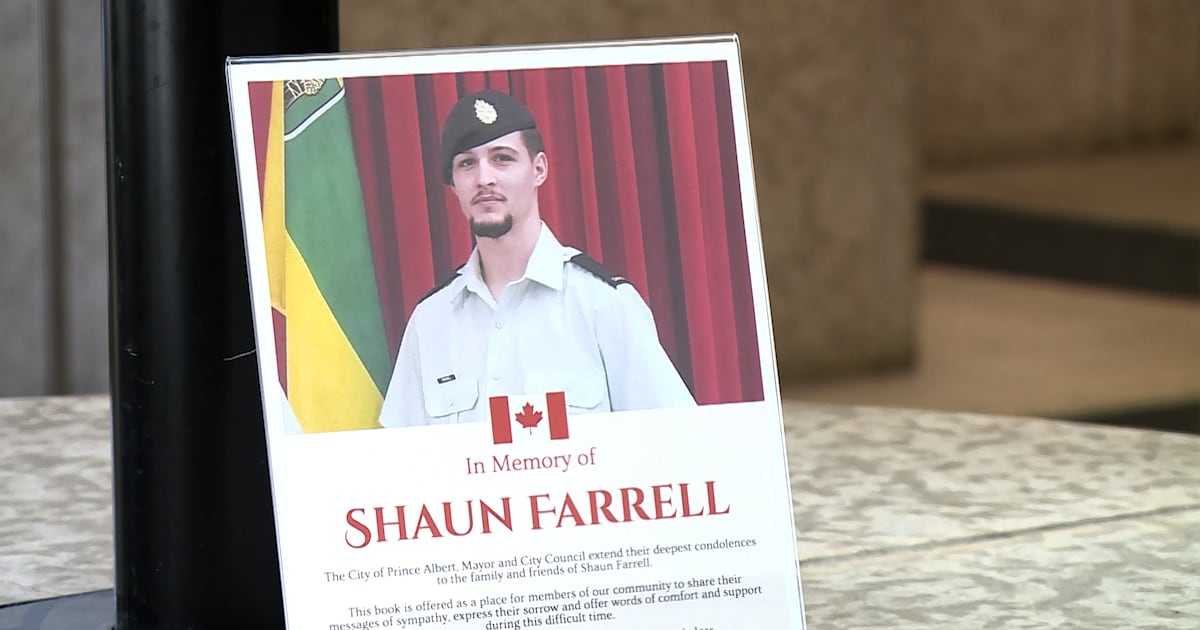
Fraudulent Fundraisers and Disinformation Spread Following CFB Wainwright Tragedy
CTV News is reporting that the devastating tragedy at Canadian Forces Base Wainwright has been followed by a troubling second wave of fraudulent fundraising and disinformation. The base, located in east-central Alberta approximately 200 kilometres southeast of Edmonton, is one of the Canadian Armed Forces’ primary training hubs, hosting massive exercises that bring together thousands of soldiers, reservists, and allied forces from around the world. In the days after the tragic incident, which claimed the lives of several military members and left others injured, the base community and the families of the fallen have been forced to navigate something more than grief: a minefield of online scams, unauthorized donation pages, and malicious falsehoods. According to the CTV News report, military police, RCMP, and the Canadian Anti-Fraud Centre have all been alerted as fake GoFundMe campaigns and other fundraising solicitations have surfaced, using the names, photographs, and personal details of the deceased soldiers to deceive well-meaning Canadians. Meanwhile, a separate but equally disturbing stream of disinformation on social media has attempted to recast the tragedy in politically charged and conspiratorial terms. The result, as family members and officials describe it, is a secondary crisis that compounds the original loss and threatens to undermine trust in official investigations.
The tragedy itself unfolded on the sprawling training ground of CFB Wainwright, where live-fire exercises and armored vehicle maneuvers are routine components of the Canadian military’s readiness program. While the military has not released complete operational details, CTV News confirms that the incident involved a training accident that triggered an immediate emergency response from on-site medical teams and military police. Casualties were transported to local hospitals, and military leaders ordered a suspension of certain training activities while the Canadian Forces National Investigation Service and military police began a thorough investigation. In the hours that followed, flags at the base were lowered to half-mast, and a grief counseling team was deployed to support soldiers and families. Prime Minister and Minister of National Defence issued statements expressing condolences and promising a full review. But as the country mourned, the internet quickly became a different kind of battlefield. Fraudsters began constructing crowdfunding pages within hours, some even going so far as to create fake social media profiles for relatives of the deceased, complete with copied military photos and heartfelt captions designed to elicit donations. Others circulated fabricated messages allegedly from grieving comrades or doctors, creating a false sense of intimacy and urgency. Military officials and family members have since stressed that none of these unofficial campaigns have been authorized, and anyone seeking to help should do so only through verified charitable organizations or directly through official military family support channels.
The fraudulent fundraisers are particularly insidious because they prey on the natural compassion of Canadians who want to support the families of fallen soldiers. CTV News identified multiple pages on popular crowdfunding platforms that were removed after they were reported, but organizers often simply created new ones. In some cases, fraudsters demanded payment through e-transfers, cryptocurrency, or direct bank transfers, making the funds impossible to recover. The Canadian Anti-Fraud Centre has noted that this pattern is common following high-profile tragedies, from natural disasters to military deaths, and they urge donors to pause and verify before giving. Legitimate campaigns, they explain, are almost always organized by registered charities, official unit associations, or the family with the help of a trusted organization such as Support Our Troops, Soldier On, or the Canadian Armed Forces Benevolent Foundation. These organizations do not rely on emotional social media posts alone; they publish clear mandates, registration numbers, and contact information. The military itself has issued an unusual public notice reminding the public that the Canadian Armed Forces never solicits private donations for individual members or families. Yet despite these warnings, CTV News’s investigation found that many Canadians were initially fooled, with one fake page reportedly collecting thousands of dollars before being shut down. Police have warned that such fraudulent activity is a criminal offence and that investigations are ongoing, but the damage to grieving families is already done—many are now reluctant to speak publicly for fear that their words or images will be manipulated further.
Equally troubling is the wave of disinformation that has attached itself to the Wainwright tragedy. Social media posts with thousands of shares have falsely claimed that the disaster was not an accident but the result of intentional misconduct, that senior officers deliberately withheld medical care, or that soldiers were killed because of “woke” military policies. Other posts have fabricated quotes from grieving family members or doctored photos of the incident to support conspiracy theories involving the federal government, foreign adversaries, and internal military corruption. CTV News reports that accounts known for anti-government and anti-military rhetoric have amplified these narratives, using the tragedy to advance political agendas and to sow mistrust in Canadian institutions. The families of the victims are among those most harmed by this misinformation; they must now watch as strangers on the internet speculate about the most painful details of their loved ones’ final moments. Military officials have described the disinformation as an attack on morale and on military families already enduring the greatest loss. They are urging the public to rely solely on official updates from the Canadian Armed Forces, the Department of National Defence, and military police, and to avoid sharing social media content that has not been verified by reputable news outlets. Some content has been removed by platform moderators, but the speed of sharing has made it nearly impossible to stop the falsehoods from spreading. Experts quoted in the CTV News report say that this is part of a broader information warfare pattern—real events are hijacked to create chaos, confusion, and division, and the public must learn to be as careful with information as they are with money.
In response to the dual crisis of fraud and disinformation, Canadian military authorities have implemented what they call a “whole-of-community” countermeasure. A dedicated team of military police, public affairs officers, and digital communications specialists is now monitoring social media platforms for fraudulent campaigns and malicious content. The Canadian Forces National Investigation Service is working with RCMP and provincial law enforcement to track down the administrators of fake fundraising pages, treating them as priority offences. Meanwhile, GoFundMe and other crowdfunding sites have pledged cooperation, removing obvious scams and flagging suspicious accounts to authorities. The military has also opened a formal support line for families who fear their names or photos are being misused, and military chaplains have been trained to assist with the emotional trauma caused by online harassment. In an unusual step, senior officers at CFB Wainwright have held briefings for soldiers and families to warn them about the spread of misinformation and to discourage anyone from engaging with online trolls. The base has also invited local media to tour the facilities and to speak with soldiers in an effort to provide transparent, factual reporting. However, the investigation into the original tragedy is still in its early stages, and officials caution that definitive answers will take time. Until then, they say, the public should be cautious of anyone claiming to have inside information about what really happened, and they should report suspicious posts and pages to social media platforms, local police, or the Canadian Anti-Fraud Centre.
As the days pass, the memory of the fallen soldiers remains overshadowed by the ugly proliferation of scams and lies. CTV News’s investigation is a stark reminder that tragedy, in the modern age, is never purely private—it is immediately absorbed into the digital ecosystem, where compassion can be monetized and sorrow can be weaponized. For the families of the soldiers who died at CFB Wainwright, the pain is already unbearable; the last thing they need is to battle fraudulent fundraisers bearing their loved ones’ names or to read false stories about how and why they died. The best response from Canadians is not necessarily to donate immediately or to share a post in outrage, but to pause, verify, and support official channels. Legitimate charitable organizations will continue to accept donations, and the military will continue to provide regular updates through its official communication channels. The public can also honour the fallen by attending remembrance ceremonies, reaching out to military family resource centres, and offering support in quiet, meaningful ways rather than through hastily made online payments. The investigation into the tragedy at CFB Wainwright will take months, and the legal pursuit of fraudulent fundraisers and disinformation peddlers will take even longer. In the meantime, the most fitting tribute to the soldiers is not more anger or suspicion, but the same discipline and solidarity that the Canadian Armed Forces instils in its members. As one grief counselor told CTV News, “There is nothing online that will bring them back. But there is real help, in the real world, for the people they left behind.” It is to that real world—the one of quiet dignity, careful giving, and trusted information—that the families and the military now ask all Canadians to return.