


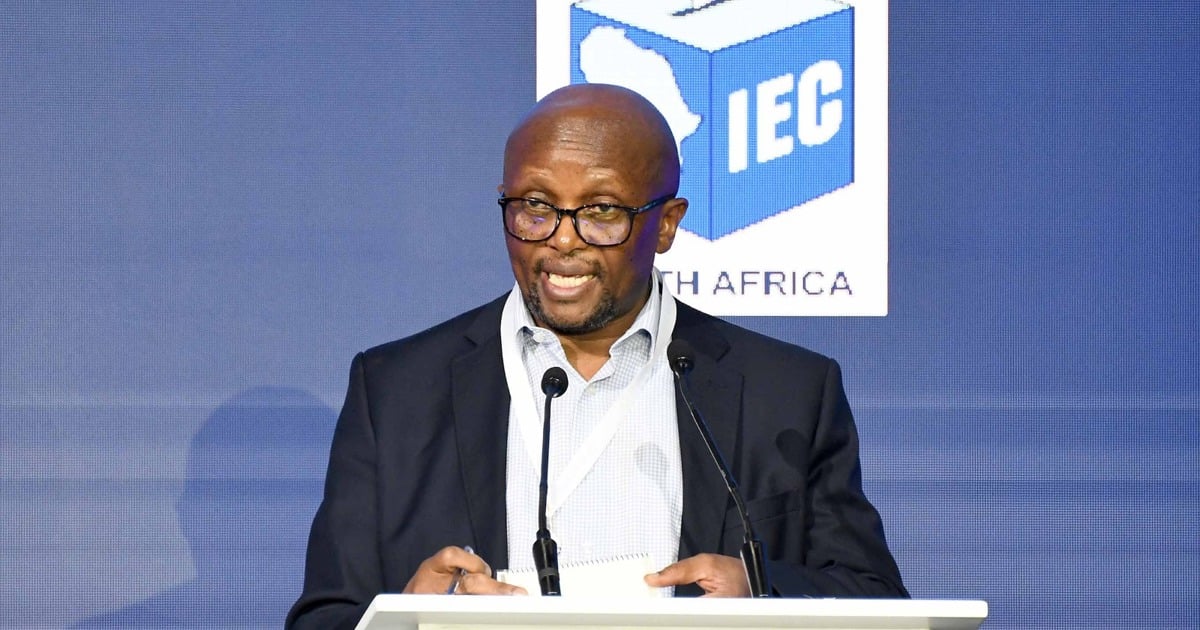
The Electoral Commission of South Africa (IEC) has issued a stern warning to all political parties participating in the upcoming local government elections, making it clear that there will be consequences for any breach of the newly adopted Disinformation Code of Conduct. The warning was delivered during the formal signing of the elections code of conduct by political parties, held in Midrand, Johannesburg, on Wednesday. The event marked a significant moment in the country’s electoral calendar, as parties committed themselves to a set of rules designed to safeguard the integrity of the 4 November polls. With the rapid spread of misinformation and fake news posing a growing threat to democratic processes worldwide, the IEC has moved to tighten its regulatory framework and hold parties accountable for the content they disseminate. The commission’s message was unambiguous: the era of unchecked political messaging and unverified claims must end. Political parties, as key actors in the electoral ecosystem, are now expected to operate within a clearly defined code of conduct that prioritises truthfulness, transparency and accountability. The IEC’s tougher stance reflects a broader concern about the erosion of public confidence in democratic institutions and the electoral process. By bringing party leaders together for the signing ceremony, the commission sought to emphasise that the responsibility for credible elections lies not only with electoral authorities but also with the political formations that contest them. The gathering in Midrand therefore served as both a formal procedural step and a symbolic commitment to the principles of fair, free and honest elections. As South Africa prepares for the municipal polls, the IEC’s warning signals a new era of vigilance, with political parties placed on notice that misinformation will no longer be tolerated. The commission’s leadership, under Chairperson Mosotho Moepya, has made it clear that the integrity of the electoral process is non-negotiable and that all parties must play their part in protecting it.
Under the newly signed code, political parties are required to verify all information before sharing it with the public. This obligation extends to statements, social media posts, campaign materials and any other form of communication that could influence voters. If information is subsequently found to be false, parties have just 36 hours to publicly retract and correct it. This provision is intended to prevent the kind of viral misinformation that has destabilised elections in other countries and to ensure that false narratives do not take root in the South African political landscape. The IEC has argued that these tougher rules are necessary because of declining voter trust in democratic processes. By holding parties to a higher standard of accuracy, the commission hopes to rebuild confidence among citizens and encourage greater participation in the local government elections. Voter apathy and scepticism have been growing concerns in South Africa, with many citizens feeling disconnected from political institutions and disillusioned by broken promises and corruption scandals. The IEC’s new code is, in part, a response to this crisis of confidence. It recognises that the spread of disinformation is not merely a nuisance but a fundamental threat to the legitimacy of elections. When voters are bombarded with false claims, their ability to make informed decisions is compromised, and the entire democratic process is undermined. The 36-hour correction window is particularly significant, as it forces parties to act quickly to undo any harm caused by false information. It also creates a clear mechanism for accountability, allowing the IEC and the public to monitor compliance and take action against parties that fail to meet their obligations. The code therefore represents a major step forward in the regulation of political communication in South Africa, setting a precedent that could influence future elections and potentially inspire similar measures in other African countries. However, the success of the code will depend on the willingness of political parties to comply and the IEC’s ability to enforce it effectively. The commission has indicated that it will not hesitate to impose consequences on those who breach the rules, although the specific nature of these consequences remains to be seen. What is clear is that the IEC is determined to create an electoral environment in which truth and accuracy prevail over manipulation and deceit.
The IEC’s warning comes at a time when the spread of false information has become faster and more dangerous than ever before. Chairperson Mosotho Moepya highlighted this concern, noting that in an era of instant information sharing, false claims can spread quickly and have serious consequences. His remarks underscore the unique challenges posed by social media platforms, where unverified content can reach millions of users within minutes. Unlike traditional media, which is bound by editorial standards and fact-checking protocols, social media allows anyone to publish anything, regardless of its accuracy. This has created a fertile ground for disinformation campaigns, often orchestrated by political actors seeking to manipulate public opinion or discredit their opponents. The IEC’s new code is designed to address this challenge head-on by imposing clear obligations on political parties, which are among the most influential sources of information during election periods. Moepya’s warning serves as a reminder that the consequences of disinformation extend far beyond individual falsehoods. It can incite violence, undermine social cohesion, erode trust in institutions and even alter the outcome of elections. In South Africa, where historical divisions and socioeconomic inequalities remain deeply entrenched, the potential for disinformation to cause harm is particularly acute. The IEC has therefore urged parties to exercise caution and responsibility in their communications, emphasising that the fight against disinformation is a shared responsibility. The commission has also called on civil society, the media and the public to play their part in identifying and countering false information. By fostering a culture of verification and accountability, the IEC hopes to create an environment where voters can make decisions based on facts rather than falsehoods. The challenge is immense, but the commission has made it clear that it is prepared to take a tough stance. The new code is not merely a set of guidelines; it is a binding commitment that carries real consequences for those who violate it. As the election campaign intensifies, all eyes will be on political parties to see whether they honour their commitments or succumb to the temptation of using disinformation as a tactical tool. The IEC’s warning is a clear signal that the era of impunity for political misinformation is over.
In addition to tackling disinformation, the IEC has taken a firm stance on the protection of journalists covering the upcoming local government elections. The commission is demanding that political parties ensure journalists can work without fear of intimidation, attack or harassment. This is a critical issue, as journalists play a vital role in informing the public and holding power to account. In many countries, election periods are marked by increased threats and violence against media workers, and South Africa is no exception. Reporters often find themselves caught in the crossfire between rival political factions, facing hostility from party supporters, security personnel and even candidates. The IEC has made it clear that there must be no place for such behaviour during the polls. Moepya emphasised that journalists must be shielded from any form of threat or harassment, adding that their safety is essential to the integrity of the electoral process. Without a free and protected press, voters cannot access the information they need to make informed choices, and the democratic process is weakened. The commission’s stance on journalist protection is therefore closely linked to its efforts to combat disinformation. By ensuring that journalists can work without fear, the IEC hopes to promote accurate, reliable reporting that can counter the spread of false narratives. The code of conduct signed by political parties includes provisions aimed at preventing intimidation and violence against the media, and parties are expected to instruct their members and supporters to respect the role of journalists. The IEC has also indicated that it will work with law enforcement agencies to investigate any incidents of harassment or violence and hold perpetrators accountable. This is a welcome development for media freedom advocates, who have long called for stronger protections for journalists during elections. However, the effectiveness of these measures will depend on their enforcement. The IEC cannot be everywhere at once, and it will rely on political parties, civil society and the media itself to report violations and ensure that the code is respected. The commission’s tough rhetoric is a positive step, but it must be backed by concrete action to create a safe environment for journalism in South Africa.
Moepya added that research shows that the country is at a critical moment ahead of the municipal polls. This statement reflects the deep concerns within the IEC about the state of South Africa’s democracy and the challenges that lie ahead. Local government elections are often seen as a barometer of public sentiment, and the results of the November polls will have significant implications for the political landscape. They will determine who controls municipalities across the country, shaping the delivery of essential services such as water, electricity, housing and sanitation. In recent years, many municipalities have been plagued by corruption, mismanagement and service delivery failures, leading to widespread public frustration and protests. This has contributed to a decline in voter trust and a growing sense of disillusionment with the political system. The IEC’s warning about the critical moment is a recognition that the upcoming elections are not just another routine exercise in democracy; they are a test of the country’s ability to conduct credible, peaceful and meaningful elections in the face of significant challenges. The commission is acutely aware that the spread of disinformation and the intimidation of journalists are not isolated problems but symptoms of a deeper crisis of accountability and trust. If these issues are not addressed, they could undermine the legitimacy of the election results and exacerbate social tensions. The IEC has therefore called on all stakeholders to work together to ensure that the elections are free, fair and credible. This includes political parties, candidates, civil society organisations, religious leaders, traditional leaders and ordinary citizens. The commission has also encouraged voters to participate in the electoral process, reminding them that their voices matter and that their votes can make a difference. At the same time, it has urged voters to be vigilant and critical consumers of information, rather than passive recipients of political propaganda. The upcoming elections are an opportunity for South Africans to reaffirm their commitment to democracy and to hold their leaders accountable. But this opportunity could be squandered if disinformation is allowed to flourish and journalists are silenced. The IEC’s warning is a call to action, not just for political parties, but for everyone who cares about the future of the country. The critical moment identified by Moepya is both a threat and an opportunity, and the choices made in the coming months will shape South Africa’s democratic trajectory for years to come.
As the 4 November local government elections draw nearer, the IEC’s message to political parties is clear: the rules of the game have changed. The signing of the elections code of conduct, with its strong emphasis on combating disinformation and protecting journalists, marks a significant milestone in South Africa’s electoral governance. The commission has positioned itself as a guardian of electoral integrity, willing to take tough action against those who seek to undermine it. Political parties now face a choice. They can embrace the new code and work to rebuild public trust, or they can resist it and face the consequences. The IEC has not specified exactly what those consequences will be, but the warning is unmistakable. Parties that breach the code, whether by spreading false information or failing to protect journalists, will be held accountable. This could include sanctions, penalties or even legal action, depending on the severity of the violation. The commission’s determination to enforce the code is a positive sign for South African democracy, but it is only the first step. The real test will come in the months ahead, as parties engage in what is likely to be a fiercely contested election campaign. The temptation to resort to disinformation, smear tactics and intimidation will be strong, particularly in a highly polarised political environment. The IEC cannot monitor every statement or protect every journalist on its own. It will need the cooperation of political parties, the vigilance of the media, and the active participation of civil society and the public. Ultimately, the integrity of the elections is a shared responsibility. The IEC has laid down the law, but it is up to all South Africans to ensure that the upcoming municipal polls are conducted in a manner that reflects the values of democracy, transparency and accountability. If the new code is upheld, it could mark the beginning of a new era of electoral integrity in South Africa, restoring faith in the democratic process and setting an example for the rest of the continent. If it is ignored, the consequences could be severe, not only for the elections but for the future of the country. The warning has been issued; the time for action is now.