


The Double-Edged Sword of Digital Health Information: Nepal’s Struggle with Misinformation
The digital revolution has democratized information access, empowering individuals worldwide with unprecedented access to health knowledge. Even in remote corners of developing nations like Nepal, platforms like YouTube, Google, and TikTok have become readily available sources of health information. This newfound access has the potential to bridge the urban-rural health divide, offering valuable insights into disease prevention, symptom identification, and treatment options. For instance, a parent in a remote village can now access information about childhood illnesses, potentially leading to earlier diagnosis and treatment. This represents a significant leap forward in healthcare accessibility, particularly in regions with limited healthcare infrastructure. However, this digital boon comes with a serious caveat: the proliferation of health misinformation.
The pervasiveness of smartphones and internet connectivity in Nepal, with over 90% of the population owning mobile phones, has amplified the reach of both accurate and inaccurate health information. While digital platforms have proven invaluable for public health campaigns promoting awareness of issues like COVID-19, maternal health, and vaccinations, they have simultaneously become breeding grounds for unsubstantiated health claims. The ease with which misinformation can spread through social media poses a significant threat to public health, particularly in a nation like Nepal where health literacy rates are not uniform and vary geographically. The challenge is further compounded by the fact that social media sources are sometimes perceived as more trustworthy than healthcare professionals, highlighting the urgent need for effective strategies to combat misinformation.
While digital platforms offer a wealth of health information, a significant portion of this content lacks scientific backing. Studies have revealed alarming rates of misinformation on popular social media platforms, ranging from a fraction of a percent to nearly 30% across various health topics. Furthermore, research indicates that a substantial proportion of posts related to sensitive subjects like tobacco, drugs, and vaccines contain misleading information. This "infodemic," as it has been termed, poses a considerable risk to public health, potentially leading individuals to make ill-informed decisions about their health based on flawed or fabricated information. This is particularly concerning in the context of epidemics and pandemics, where accurate information is crucial for effective disease control.
The COVID-19 pandemic provided a stark illustration of the dangers of health misinformation. The digital landscape was flooded with propaganda, unverified scientific claims, conspiracy theories, and inaccurate statistics about the virus’s spread and impact. This misinformation hindered efforts to contain the pandemic, fueling vaccine hesitancy and promoting unproven remedies over evidence-based medical treatment. Studies have documented the negative impact of misinformation on vaccine uptake, with hesitancy rates varying significantly across regions. Similar patterns of misinformation surround chronic diseases like diabetes, hypertension, and cancer, with unverified cures circulating widely on social media, often discrediting established medical treatments. This can lead patients to abandon proven therapies, potentially with dire consequences.
Several factors contribute to the spread of health misinformation in Nepal. Low health literacy makes it difficult for individuals to discern credible information from misleading content. Distrust in the healthcare system, exacerbated by underfunding and inequality, may make alternative narratives more appealing. Language barriers further complicate the issue, as reliable information is often presented in technical language or English, while misinformation is readily disseminated in local languages, often using attention-grabbing headlines and visuals. Social media algorithms, designed to prioritize engaging content, inadvertently amplify sensationalized and emotional material, often at the expense of more nuanced, yet accurate, information. Finally, the lack of robust regulatory enforcement against false digital health content allows misinformation to proliferate unchecked.
The consequences of health misinformation are far-reaching and potentially devastating. Misinformation can delay appropriate healthcare seeking, fuel vaccine refusal, promote antimicrobial misuse, and lead individuals to embrace unproven treatments. During the COVID-19 pandemic, for example, misinformation led many to avoid hospitals and rely on unverified "immunity boosters," exacerbating their condition. False narratives can significantly impede vaccination efforts, particularly in rural areas where access to reliable information may be limited. Moreover, misinformation erodes trust in healthcare professionals and institutions, damaging the patient-doctor relationship and hindering effective healthcare delivery. The spread of misinformation falsely attributing the origin or spread of diseases to particular ethnic or racial groups can even incite hate crimes, further highlighting the societal dangers of unchecked false narratives.
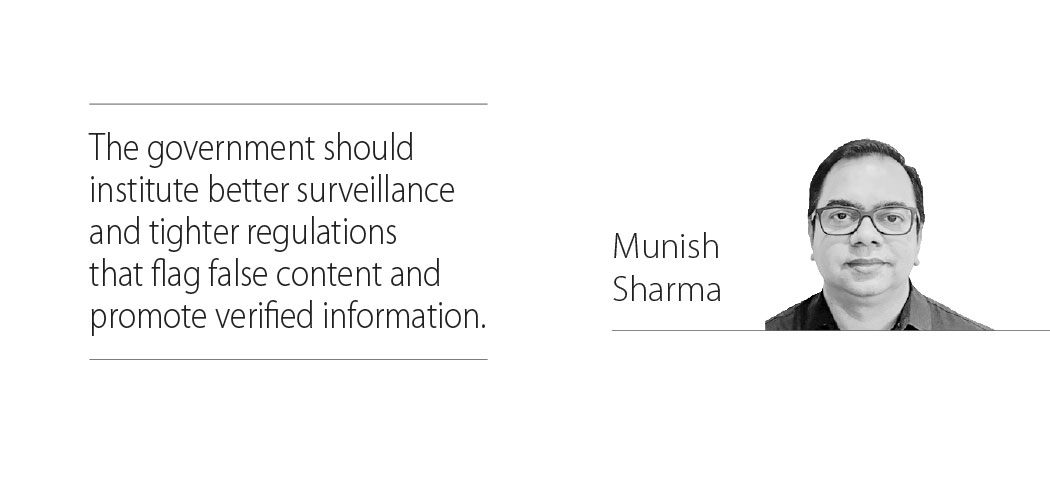
Combating the infodemic requires a multi-pronged, whole-of-society approach. Individuals need to be equipped with the skills to critically evaluate online health information and identify misinformation. Public health literacy campaigns, utilizing diverse media platforms including radio and television, should be implemented to educate communities about verifying sources and understanding basic health concepts. The government should strengthen surveillance and regulations to flag and remove false content, while promoting verified information. Robust policies are needed to hold misinformation spreaders accountable without infringing upon freedom of speech. Further research is crucial to understand the dynamics of health misinformation and its impact on individuals and communities.
Healthcare professionals play a vital role in countering misinformation. They should be trained to engage with patients’ beliefs and values, addressing misinformation individually and providing accurate, culturally relevant information. Healthcare organizations should be encouraged to share evidence-based health information online, utilizing accessible formats like apps, infographics, and videos in local languages. Engaging influencers and journalists can help amplify trusted health messages and ensure responsible reporting. Ultimately, a collaborative effort involving government agencies, private sector organizations, non-profits, media outlets, and research partners is essential to create a digital health ecosystem rooted in truth and trust.
The digital revolution has presented both an opportunity and a challenge in the realm of health information. While offering unprecedented access to knowledge, it has also opened the floodgates to misinformation. Navigating this complex landscape requires a concerted effort to empower individuals, strengthen regulatory frameworks, and foster collaboration between stakeholders. By prioritizing accurate information and promoting health literacy, Nepal can harness the power of digital platforms to improve health outcomes while mitigating the risks posed by the infodemic. This is particularly crucial in the face of ongoing and future pandemics and epidemics, where access to credible information is paramount for effective public health response.