


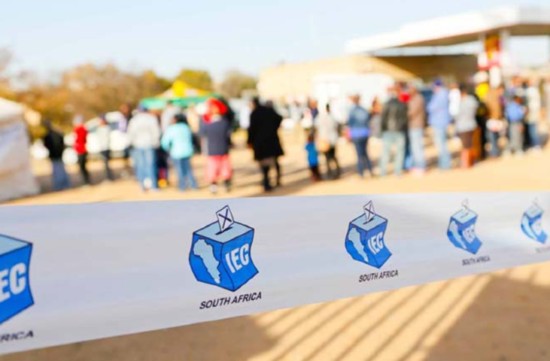
ActionSA has formally submitted a set of robust recommendations to the Electoral Commission of South Africa (IEC) regarding the proposed Draft Electoral Code of Conduct on Countering Disinformation. As South Africa prepares for the 2026 Local Government Elections, the party has praised the Commission’s proactive stance while simultaneously advocating for more stringent safeguards to fortify the democratic process. ActionSA asserts that with the rapid evolution of digital threats, the electoral framework must mature significantly to ensure that the sanctity of the ballot box remains shielded from modern interference.
The core motivation behind ActionSA’s submission lies in the growing danger posed by artificial intelligence, deepfakes, and coordinated online disinformation campaigns, which threaten to undermine the electorate’s ability to make informed decisions. These technological shifts create an environment where misinformation can be weaponized to manipulate public opinion and obscure the truth. By drawing on their previous legislative efforts, such as the Election Integrity Bill introduced in Parliament, ActionSA is pushing for tangible, legally sound improvements to the Draft Code to address these emerging digital threats.
Central to the party’s proposal is a demand for radical transparency, particularly concerning political opinion polling. ActionSA argues that for polls to be credible, they must disclose their full methodology, including sample sizes, margins of error, funding sources, and fieldwork dates. They insist that voters have a fundamental right to know who is commissioning data that shapes public discourse and whether such research meets the necessary standards of methodological integrity. By standardizing these requirements, the party aims to prevent the misuse of polling data as a tool for public opinion manipulation.
In addition to polling regulations, ActionSA is advocating for the mandatory labeling of all AI-generated or digitally altered election content. This measure is intended to ensure that voters can instantly distinguish between authentic campaign materials and synthetic media. Furthermore, the party is urging the IEC to establish a publicly accessible register of disinformation complaints. Such a mechanism would provide high-level visibility into the investigations and enforcement actions taken by the Commission, thereby fostering public trust in the IEC’s oversight capabilities during sensitive electoral periods.
ActionSA’s recommendations also extend to the digital landscape, calling on the Commission to secure voluntary integrity commitments from major social media platforms. These commitments would include the creation of dedicated channels for flagging election-related complaints, providing transparency reports on content moderation, and ensuring seamless cooperation with the IEC during the campaign season. By fostering these partnerships, the party believes that the electoral environment can be better protected against the viral spread of coordinated disinformation that often occurs in the lead-up to voting day.
Ultimately, ActionSA emphasizes that any measures taken to curb disinformation must be carefully balanced with the constitutional right to freedom of expression. Their submission explicitly calls for the protection of satire, parody, and fair political comment, ensuring the Code does not infringe upon the democratic spirit of the Constitution. As the 2026 local elections approach, ActionSA maintains that transparency serves as the ultimate defense for democracy, urging the IEC to adopt these recommendations to ensure that voters can cast their ballots based on accurate, verifiable information.