


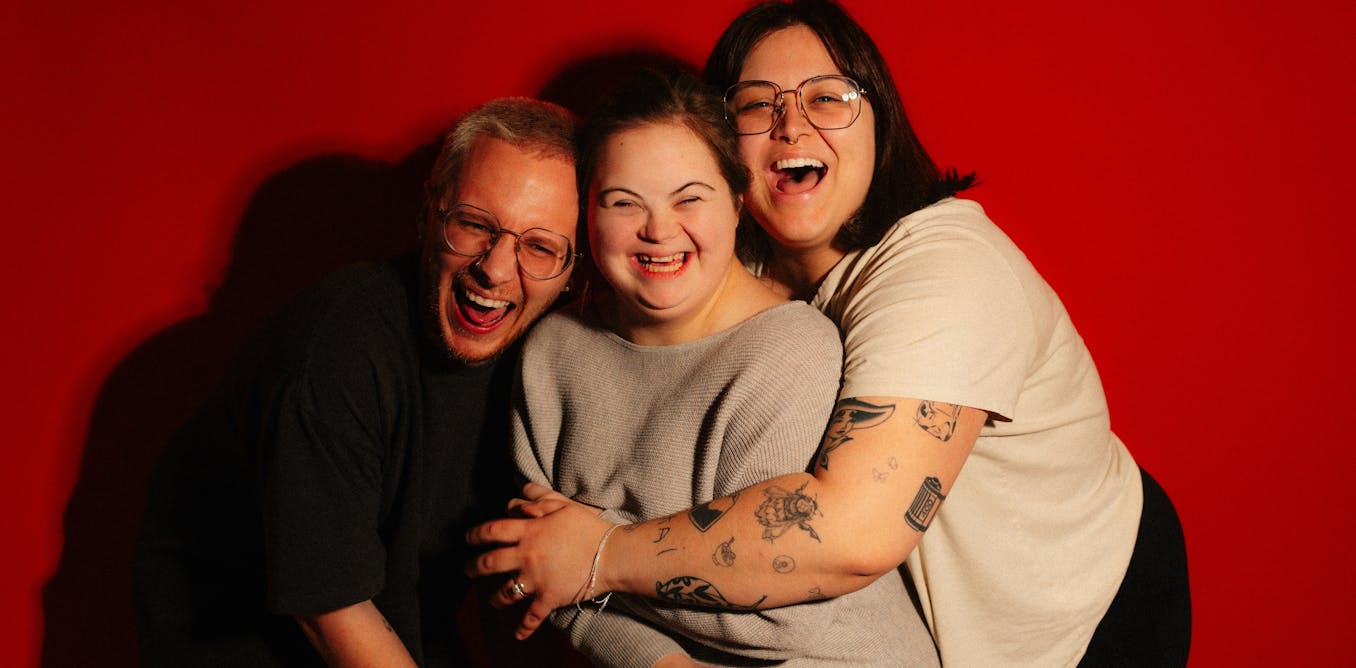
For over a century, Down syndrome has been narrowly defined by the medical establishment through a deficit-based lens, focusing almost exclusively on perceived limitations rather than potential. This long-standing framing significantly influences how families process prenatal screenings, often leading to decisions rooted in fear, stigma, and incomplete medical information. A recent viral social media post by YouTuber Jesse Ridgway (McJuggerNuggets), in which he disclosed terminating a pregnancy following a Down syndrome diagnosis, serves as a poignant, albeit controversial, example of how these damaging societal narratives are perpetuated and accepted as factual.
Writing from the perspective of disability scholars who advocate for reproductive autonomy, critics argue that Ridgway’s assessment reflects a dangerous reliance on outdated eugenic ideologies. By labeling the condition as “objectively shitty” due to associated health challenges, Ridgway exemplifies the “medical model” of disability, which views human worth as a measurable variable determined by physical or intellectual “perfection.” This framework, which historically justified the institutionalization and ostracization of disabled individuals, persists today by prioritizing narrow, negative health data while ignoring the structural and social context within which people with Down syndrome actually live.
Medical experts argue that Ridgway’s reliance on select statistics provides a distorted view of reality. While he highlighted increased incidences of heart defects and vision challenges, he failed to acknowledge that modern advancements have rendered many of these conditions highly treatable. For instance, cardiac care for children with Down syndrome has improved dramatically, and individuals with this diagnosis often show excellent long-term survival outcomes following surgical intervention. Furthermore, the framing of these health challenges as a universal tragedy ignores the biological advantages people with Down syndrome often possess, such as a lower risk for tumor-based cancers, and obscures the significant rise in life expectancy over the last few decades.
Contradicting the “life is rough” narrative presented in the viral post, independent data consistently demonstrate high levels of life satisfaction among those living with Down syndrome. Surveys show that 99 percent of individuals with the condition report being happy, and 97 percent like who they are. These positive outcomes extend to their families; the vast majority of parents and siblings report feeling profound affection, pride, and an improved outlook on life because of their loved ones. These findings stand in direct conflict with the “bad news” delivery often reported by parents during the diagnostic process, where physicians frequently display explicit bias and rely on negative stereotypes rather than providing balanced, supportive information.
The struggle for a more nuanced understanding is compounded by an information ecosystem that favors clinical terminology over human experience. Research indicates that when medical professionals shift their language—choosing neutral terms like “probability” or “chance” over “risk”—they better uphold reproductive autonomy and respect human diversity. These studies highlight that parents are increasingly calling for a change in how medical staff communicate, urging them to provide well-rounded information that includes the availability of social supports. By treating a diagnosis as a medical crisis rather than a life experience, the current system stifles the ability of families to see the potential for a fulfilling life.
Ultimately, the environment in which children with Down syndrome are raised—characterized by inclusive education, supportive housing, and gainful employment—is the true determinant of their prosperity. As society moves toward greater accessibility and begins to value diverse human rights, it becomes increasingly clear that the limitations imposed on those with Down syndrome are often societal rather than biological. The pushback from advocates like entrepreneur John Cronin serves as a necessary intervention against narratives that devalue disabled lives. Changing the future requires moving beyond outdated, eugenic-influenced frameworks and fostering an ecosystem that celebrates neurodiversity and challenges the ingrained assumptions that continue to dictate who society deems “worthy” of existence.