


The Kremlin is intensifying its global influence operations through the Social Design Agency (SDA), a sanctioned entity currently orchestrating a sophisticated network of disinformation. According to internal documents obtained by Bloomberg, the agency has moved beyond simple social media manipulation, aiming instead to control the foundational knowledge sources relied upon by search engines and emerging artificial intelligence platforms. With the Russian Federation’s budget for foreign influence projected to reach a record $1.85 billion for the information sector by 2026, these efforts represent a massive, well-funded attempt to reshape public perception through digital infrastructure.
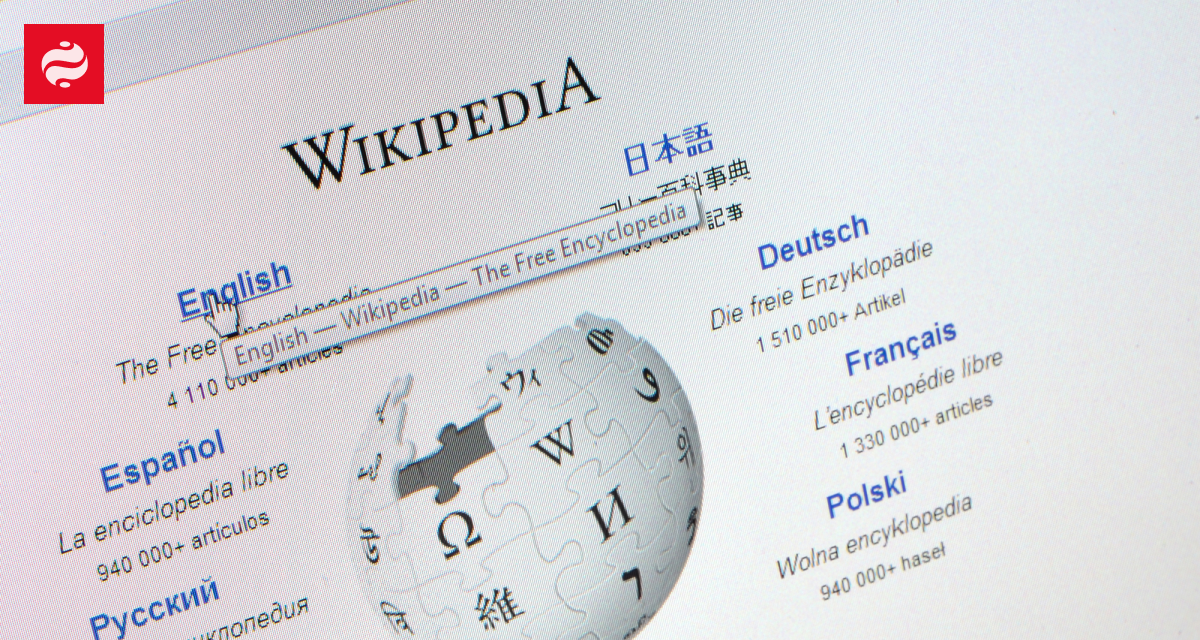
A primary strategy uncovered in the 73 files secured by journalists involves the creation of “mirror” websites and Wikipedia-style reference platforms designed to masquerade as neutral sources of information. By effectively poisoning the dataset used to train AI-powered chatbots and influence search engine algorithms, the SDA seeks to ensure that fake narratives regarding sensitive political events become the default answer for users worldwide. These operations appear to be highly targeted; for instance, documents revealed a specific project to launch an Armenian-language version of a Wikipedia-style site just two months prior to the nation’s parliamentary elections, signaling a clear intent to manipulate democratic processes.
The scope of this digital offensive is vast, extending far beyond the borders of Armenia. Internal plans suggest the SDA is targeting Germany with a staggering project to manage and populate 200,000 websites, with the explicit goal of systematically editing 100 articles each month to align with Kremlin viewpoints. These efforts are also designed to “train” at least six major artificial intelligence platforms every month using corrupted data, effectively forcing AI tools to serve as unwitting conduits for state-sponsored propaganda. While the Kremlin has launched openly Russian-centric alternatives like “RuWiki,” the operations led by the SDA are uniquely dangerous because they are specifically engineered to conceal their Russian origins.
Parallel to their digital encyclopedia project, the SDA is funding a network of fake think tanks to lend an air of intellectual legitimacy to their narratives. One example, the so-called “World Center for Strategic Studies,” is used to republish content from reputable international institutions, yet it subtly alters the findings to suit Moscow’s geopolitical goals. By distorting legitimate reports—such as those produced by the French Institute of International Relations—to falsely claim that Europe is entering an irreversible economic and political crisis, the agency creates a veneer of expert consensus that is often uncritically shared across the internet.
The impact of these operations is already being felt in international discourse, particularly concerning the war in Ukraine. Recent U.S. intelligence officials have highlighted how Russian operatives intentionally distort facts to support long-standing conspiracy theories. For instance, the Russian narrative alleging that the U.S. government funds secret, dangerous biolaboratories in Ukraine is a common theme in this disinformation ecosystem. While the original intent of these facilities was to provide technical and safety upgrades to Soviet-era laboratories, Russian propaganda successfully weaponizes these reports to accuse the U.S. of malicious activity, a trend that experts have identified as a hallmark of the Kremlin’s broader deception strategy.
Ultimately, these revelations underscore the growing challenge of maintaining the integrity of digital information as Russia accelerates its “information warfare” capabilities. By moving from social media posts to the corruption of authoritative databases, search engines, and artificial intelligence, the SDA is attempting to alter the nature of digital truth. As documentation continues to surface via international investigative outlets and local media, the global community faces an urgent need to verify the credibility of online sources, recognize the signs of automated disinformation, and bolster the resilience of the AI models that will increasingly define how the world understands current events.