


The Digital Threat to Democracy: Navigating AI in South Africa’s Election Cycle
The landscape of South African democracy is facing an unprecedented challenge as artificial intelligence (AI) begins to blur the lines between reality and fabrication. Last year, the public was shocked by viral images of a beloved Soweto high school engulfed in flames, only to discover the footage was an AI-generated lie. This incident, alongside coordinated social media campaigns falsely suggesting non-citizens are contesting local elections, highlights a disturbing trend. As the 4 November 2026 Local Government Elections approach, experts warn that these sophisticated digital deceptions are likely to intensify, threatening to manipulate voter sentiment and erode the integrity of the ballot box.
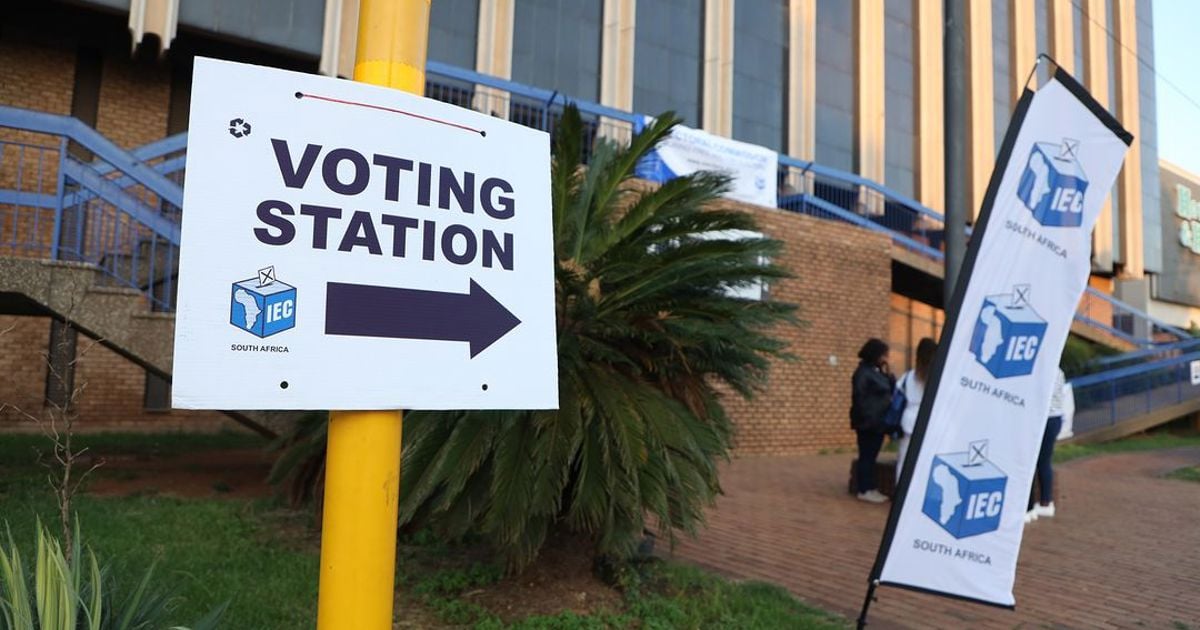
South Africa’s concerns reflect a global crisis, as highlighted by a report from the International Panel on the Information Environment (IPIE) regarding 2024 elections worldwide. The study identified over 200 incidents where generative AI was leveraged to deceive voters through deepfakes, bot networks, and automated misinformation. These tools allow bad actors to scale their efforts with frightening efficiency, creating a climate of confusion. With the “AI Election” phenomenon now a global standard, the Electoral Commission of South Africa (IEC) is proactively working to anticipate these tactics to ensure that the upcoming municipal polls remain free and fair.
To combat this digital onslaught, the Electoral Commission has bolstered its internal defenses, establishing a dedicated Digital Content and Engagement team. This unit is tasked with real-time monitoring of misinformation, disinformation, and malinformation, using advanced analytics to identify threats as they emerge. By producing high-quality, verifiable multimedia content, the Commission aims to provide the public with a reliable source of truth, effectively countering false narratives before they gain traction. Furthermore, the IEC has engaged with major social media platforms to ensure that harmful content that threatens democratic processes can be identified and swiftly removed.
A significant legislative shift is also underway with the proposed “Electoral Code of Conduct Countering Disinformation.” This draft policy seeks to mandate ethical behavior from political parties and candidates, prohibiting the creation and amplification of misleading content that could suppress voter turnout or incite violence. Under these proposed rules, political actors would be held accountable for the veracity of their digital communications and expected to cooperate with the IEC to maintain public trust. By updating the existing Code of Conduct, the Commission hopes to embed transparency into the digital campaign strategies of all contesting parties.
The role of the media remains a critical bulwark against the tide of fake news. Through partnerships with the South African National Editors’ Forum and other media development agencies, the IEC is upskilling journalists to better spot AI-generated fabrications and verify information before it reaches the public. However, the ultimate defense lies with the electorate. Voters are being urged to exercise extreme caution: identifying sensationalist, emotive language or verifying stories against multiple reputable outlets is no longer a luxury but a civic duty. If a dramatic claim is not backed by established, mainstream news organizations, it should be treated with deep skepticism.
As South Africa marches toward the 4 November 2026 elections, the message from the Electoral Commission is clear: the right to choose one’s government is a hard-won freedom that must be protected from manipulation. While the technology of deception evolves, the responsibility of the citizen remains constant. By remaining alert, demanding ethical conduct from political candidates, and critically assessing digital information, South Africans can ensure that their democratic decisions remain their own, free from the shadows of AI-driven interference. In this new era of digital campaigning, truth is the most vital commodity in the quest for a credible election.