


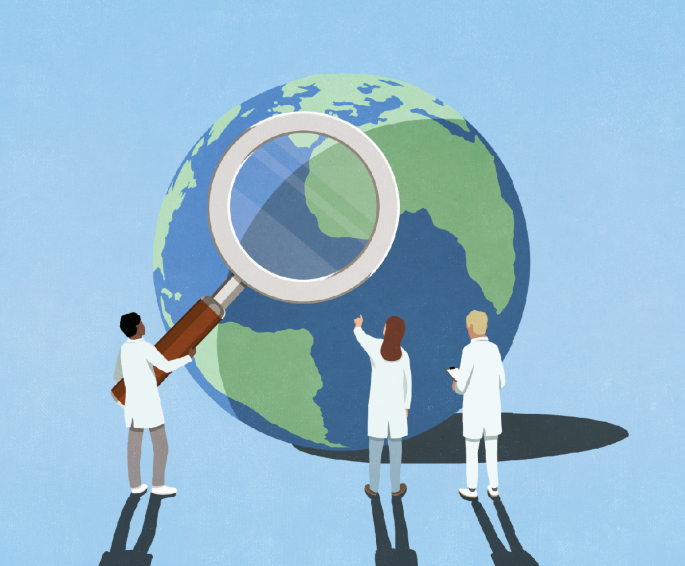
The modern digital era has ushered in a crisis of truth, where the rapid spread of misinformation, polarization, and algorithmic echo chambers threatens the foundation of democratic discourse and collective problem-solving. A synthesis of recent social science research, including foundational work by Bak-Coleman et al. (2021) and updated perspectives from scholars like Oreskes and Conway, underscores that the architecture of our information environment is no longer neutral. Instead, it is being exploited to erode public trust in scientific consensus, particularly regarding existential threats like climate change, by creating “merchants of doubt” who weaponize uncertainty to paralyze policy progress.
At the core of this challenge is the psychological architecture of the human mind, which is inherently vulnerable to the viral nature of falsehoods. Studies by Hornsey and Fielding (2020) and Vlasceanu et al. (2024) demonstrate that cognitive biases—such as confirmation bias and the tendency to favor information that reinforces group identity—are being systematically amplified by digital platforms. Because misinformation is often engineered to be more “novel” and emotionally resonant than verified, duller facts, it spreads significantly faster, making it an uphill battle for accurate information to gain traction within competitive attention economies.
The digital information epidemic is further exacerbated by the design of social media algorithms, which prioritize engagement over accuracy. Research by Rathje et al. (2023) and Roozenbeek et al. (2024) highlights that moralized language and divisive content maximize user interaction, inevitably pulling individuals toward extremist fringes. This structural incentive creates “epistemic bubbles” where users are insulated from contradictory viewpoints. As noted by Kozyreva et al. (2024), we are currently suffering from an “infodemic” where the sheer volume of conflicting data makes it nearly impossible for the average citizen to discern reliable signals from noise.
Critically, the impact of this misinformation is not limited to social discord;它 acts as a direct barrier to climate action and environmental stewardship. Nielsen et al. (2021) and Hiltner et al. (2024) illustrate that climate change remains a primary target for disinformation campaigns because of its complexity and long-term nature. By casting doubt on climate policy, bad actors can delay necessary transitions, turning a global scientific imperative into a volatile partisan battleground. The recent insights from Cornwall (2025) suggest that this obstructionism is evolving, becoming more sophisticated and harder to counteract with traditional fact-checking initiatives.
To move toward a more resilient society, researchers suggest a multi-layered approach to “information hygiene” and systemic reform. Murphy et al. (2023) emphasize the importance of pre-bunking—the proactive teaching of critical thinking skills to immunize citizens against manipulation—over the reactive approach of debunking, which often arrives too late. By fostering a more media-literate public and demanding greater transparency in how algorithms categorize and distribute content, society can begin to reclaim the digital space from those who profit from the fragmentation of shared truth.
Ultimately, the consensus among these leading scholars is that we have reached an inflection point. Successfully navigating the future requires a fundamental redesign of our information infrastructure to prioritize human cognitive health and social cohesion over raw engagement metrics. As Većkalov et al. (2024) conclude, the path forward involves bridging the gap between scientific expertise and public understanding, ensuring that the fruits of rigorous inquiry are not only protected from malicious distortion but are accessible and meaningful to a society that is currently struggling to agree on the very definition of reality.