


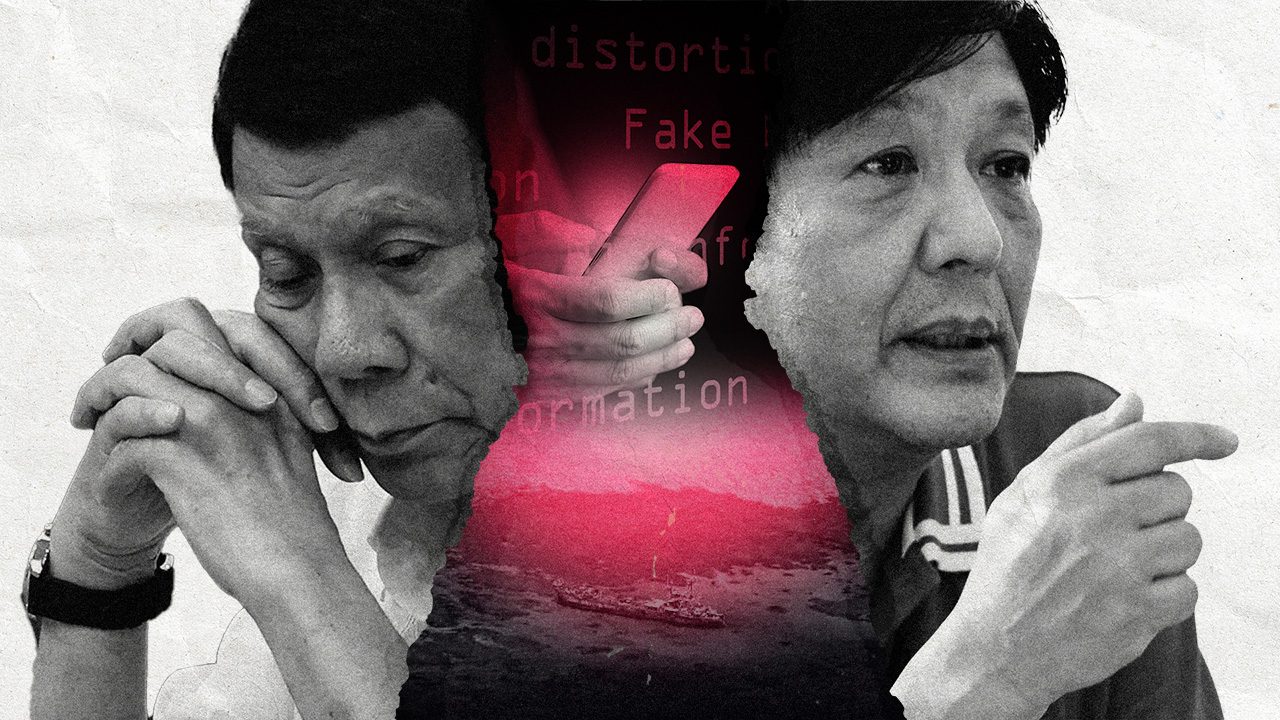
Disinformation and Geopolitics: A Threat to Philippine Media and Democracy
The Philippines faces a growing threat of disinformation, fueled by both domestic political rivalries and geopolitical tensions, particularly with China. This coordinated manipulation of information poses a serious challenge to the integrity of Philippine media, public discourse, and the very foundations of democracy. Recent events have highlighted the vulnerability of the public to rapidly shifting narratives and the insidious nature of these disinformation campaigns.
A stark illustration of this vulnerability is the dramatic shift in public opinion regarding former President Rodrigo Duterte’s accountability for the killings associated with his war on drugs. While a February survey revealed a majority favoring holding him accountable, a subsequent survey just months later showed a majority opposing his arrest for alleged crimes against humanity. This sudden reversal underscores the effectiveness of a pervasive disinformation campaign that portrayed Duterte as a victim and the International Criminal Court as an instrument of Western oppression. The swiftness and scale of this shift raise serious concerns about the susceptibility of public opinion to manipulation.
Multiple investigations have exposed the machinery behind this disinformation surge. Coordinated efforts across social media platforms flooded the internet with false narratives, manipulated videos, and fabricated accounts. These campaigns employed classic disinformation tactics, including boosting content, exploiting entertainment networks, and leveraging pro-Duterte vloggers. The narratives presented Duterte as a martyr, vilified the ICC, and even spread outlandish claims about his health while in detention. The coordinated nature of these efforts, combined with the speed and reach of social media, amplified their impact and effectively swayed public opinion.
Adding another layer of complexity to the disinformation landscape is the involvement of China. Beyond its territorial disputes in the West Philippine Sea, China engages in information warfare aimed at undermining Philippine resistance and solidifying its own narrative. This involves disseminating propaganda that challenges the legitimacy of international rulings against China’s claims, portraying the disputes as merely a byproduct of US-China rivalry, and promoting a false dichotomy between asserting sovereign rights and addressing domestic economic concerns. China’s disinformation efforts exploit existing political divisions within the Philippines and aim to create further fragmentation, thereby weakening the country’s resolve to oppose its aggressive actions in the region.
Furthermore, the emergence of Chinese “pretend journalists” aggressively pushing propaganda lines to Philippine officials represents a new and alarming development. This tactic, observed at the Shangri-La Dialogue, involves posing as journalists to directly confront officials and promote pre-determined narratives. This direct intervention in international forums represents an escalation of China’s information warfare tactics and underscores its growing assertiveness in shaping the narrative surrounding the South China Sea disputes.
The confluence of domestic political rivalries and geopolitical tensions creates a fertile ground for disinformation to thrive. The Duterte legacy and the ongoing power struggles within the Philippines make the country particularly susceptible to manipulative narratives, especially those that exploit existing divisions and grievances. Simultaneously, China’s strategic interests in the region motivate its ongoing disinformation campaigns, which seek to undermine Philippine sovereignty and consolidate its own influence. This combination of internal and external forces presents a significant challenge to the integrity of information and the stability of democratic processes in the Philippines.
In this environment of rampant disinformation, the role of independent media becomes even more critical. Citizens must actively support and engage with credible news organizations that provide accurate information and context. It is essential to cultivate media literacy, critically evaluate information sources, and resist the allure of emotionally charged narratives that lack factual basis. The defense against disinformation requires a collective effort, with citizens, journalists, and civil society organizations working together to expose manipulative tactics, promote media literacy, and uphold the values of truth and transparency. The stakes are high, as the future of Philippine democracy hinges on the ability of its citizens to discern fact from fiction and make informed decisions based on a shared understanding of reality.