


Resumption of Government-Social Media Collaboration to Combat Election Interference
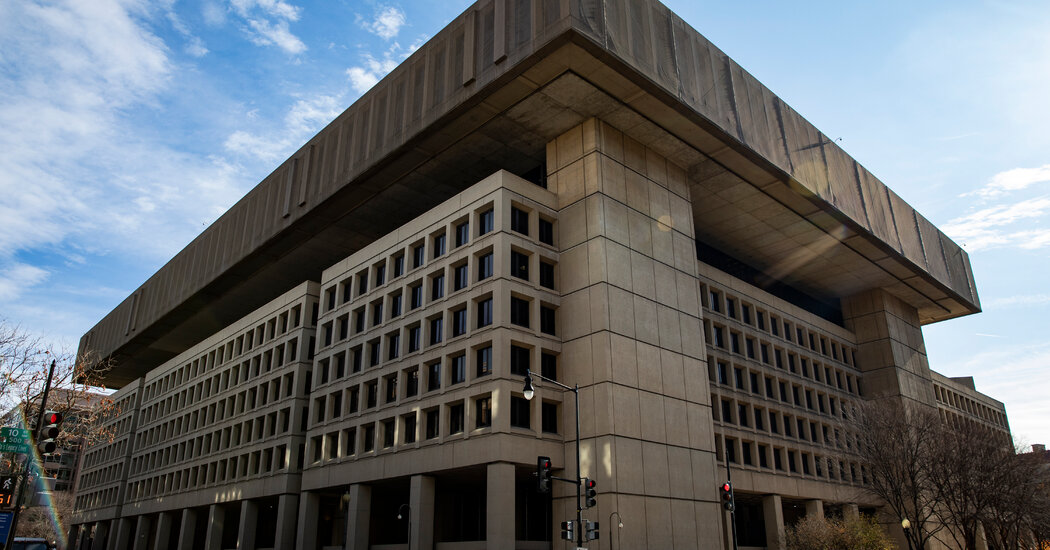
The Federal Bureau of Investigation (FBI) and other government agencies have discreetly re-engaged with major social media platforms like Facebook, X (formerly Twitter), and YouTube to counter anticipated foreign disinformation campaigns targeting the upcoming November presidential election. This renewed collaboration follows a period of suspended communication due to a legal challenge questioning the government’s role in online censorship, a case that ultimately reached the Supreme Court. The Court’s decision in June, while rejecting the censorship claims, left unresolved the constitutional limits on government interaction with tech companies regarding online content moderation.
The timing of this renewed partnership is critical, as Russia and Iran have reportedly intensified their efforts to manipulate the U.S. electoral process. Historically, government intelligence has played a vital role in identifying and disrupting covert influence operations before they gain traction on social media. This proactive approach relies on the timely sharing of information between government agencies and these platforms, allowing for swift action against malicious actors. The current collaborative effort has already yielded tangible results, thwarting at least two disinformation campaigns originating from Russia.
One successful intervention involved X’s voluntary closure of nearly 1,000 accounts linked to the Russian Federal Security Service (FSB) and RT, a Kremlin-backed media outlet. These accounts were identified through intelligence shared by the Department of Justice, highlighting the effectiveness of inter-agency cooperation. Another instance saw Meta, the parent company of Facebook and Instagram, dismantling a complex network of fake accounts spreading disinformation against Ukraine, Poland, and the European Union, based on an FBI tip-off. These actions demonstrate the crucial role of government intelligence in identifying and neutralizing malicious online activity that might otherwise go undetected.
The resumption of this vital collaboration underscores the complex interplay between national security, free speech, and the power of social media platforms in shaping public discourse. While the Supreme Court’s decision cleared the path for renewed communication, it also highlighted the need for a delicate balance. The government’s efforts to combat foreign interference must be carefully calibrated to avoid crossing the line into censorship, thereby upholding First Amendment rights. Striking this balance is crucial to maintaining public trust in both government institutions and online platforms.
The ongoing threat of foreign interference underscores the need for continuous vigilance and proactive measures. The collaborative approach between government agencies and social media companies offers a promising framework for identifying and dismantling disinformation campaigns. However, the evolving nature of online manipulation tactics necessitates constant adaptation and refinement of these collaborative strategies. Furthermore, transparency in these efforts is paramount to maintaining public confidence and ensuring accountability.
Looking ahead, the effectiveness of this renewed partnership will be a crucial factor in safeguarding the integrity of the upcoming presidential election. While the immediate focus is on mitigating foreign influence, the broader implications of this collaboration extend beyond the electoral cycle. The framework established for information sharing and coordinated action may serve as a valuable model for addressing other forms of online manipulation, including the spread of misinformation and hate speech. Maintaining this collaborative framework, while respecting constitutional boundaries, will be essential in protecting the democratic process and fostering a more resilient online environment.