


Adani’s Claims of Aligning with UN Sustainable Development Goals Draw Fire from Scientists
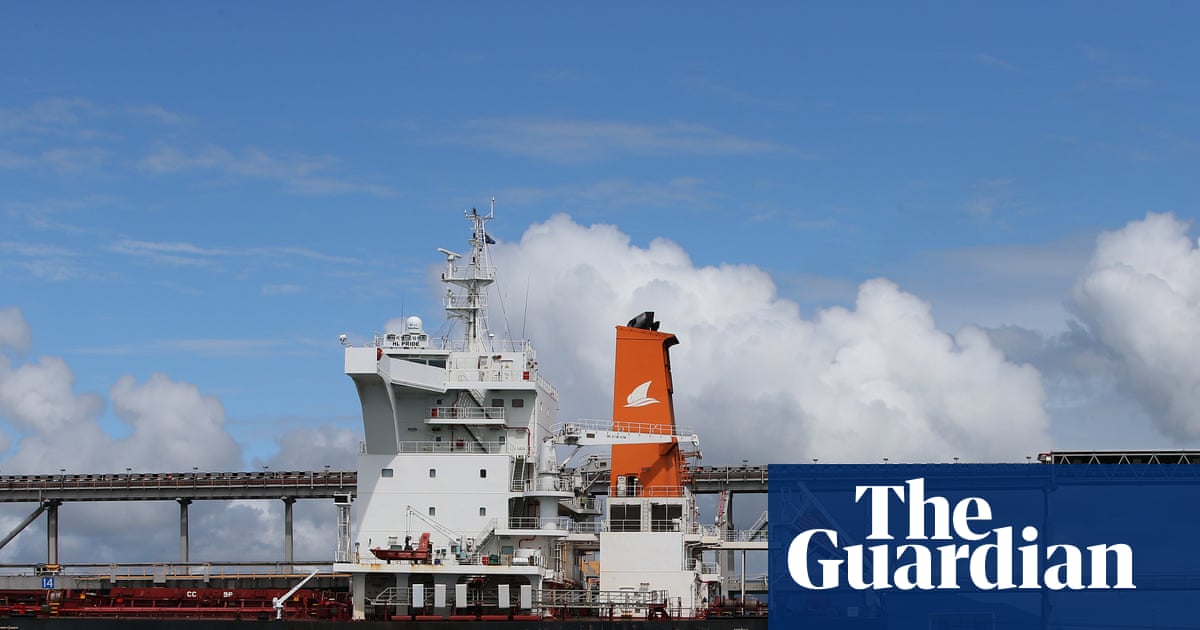
Adani, the Indian conglomerate operating a major coal export facility in Queensland, Australia, has sparked controversy by asserting that its operations contribute to the United Nations’ Sustainable Development Goals (SDGs). The company’s North Queensland Export Terminal (NQXT) claims to “ensure access to affordable, reliable, sustainable and modern energy for all,” echoing one of the 17 SDGs adopted by UN member states in 2015. However, leading scientists and sustainability experts have vehemently refuted Adani’s claims, branding them as “greenwashing” and “wilful disinformation.”
The core of the dispute revolves around the interpretation of SDG 7, which focuses on ensuring access to affordable and clean energy. While Adani emphasizes the “affordable” aspect, critics highlight the crucial role of “clean” energy, primarily achieved through a significant increase in renewable sources. The NQXT, with its capacity to export 50 million tonnes of coal annually, is seen as directly counteracting this goal by perpetuating reliance on fossil fuels, a major contributor to climate change. Experts argue that exporting coal, which is subsequently burned and emits greenhouse gases, is fundamentally incompatible with the sustainability objectives outlined in the SDGs.
Professor John Thwaites, chair of the Monash Sustainable Development Institute, underscores the importance of the word “sustainable” in SDG 7. He contends that supporting the advancement of sustainable development goals necessitates supporting sustainable energy, which coal exports demonstrably fail to achieve. Dr. Cameron Allen, also from Monash University, adds that the intent of SDG 7 is to prioritize sustainable and clean energy, categories into which fossil fuels like coal simply do not fit. He further emphasizes the international consensus on climate change, which recognizes the unsustainable nature of fossil fuel combustion.
Adani’s assertions regarding its contributions to the SDGs have drawn increased scrutiny, particularly in light of revelations that its Carmichael coal operation has paid no corporate tax in over three years of operation. This contradicts earlier pledges made by the company to contribute billions of dollars to the Australian economy through taxes and royalties. In response to the criticism, a spokesperson for Adani’s Australian mining business, Bravus Mining and Resources, argued that coal exports help combat poverty in developing nations by providing affordable energy solutions. This argument, however, overlooks the long-term environmental and social costs associated with fossil fuel dependence, as well as the potential for renewable energy to provide sustainable and affordable solutions.
Beyond SDG 7, Adani’s port facility website claims alignment with a UN goal to protect terrestrial ecosystems, citing its on-site water management practices near neighboring wetlands. However, this claim has been challenged by traditional owners who express concerns about the threat posed by coal operations to the nearby Caley Valley. Incidents of floodwater release from the port into the wetland, including one in 2017 that resulted in coal dust contaminating the area, further undermine Adani’s environmental claims.
The controversy surrounding Adani’s claims highlights the growing tension between fossil fuel interests and the global push for sustainable development. Critics argue that Adani’s attempts to align its coal operations with the SDGs are a cynical attempt to “greenwash” its image and maintain its social license to operate. Claire Snyder, director of the watchdog group Climate Integrity, describes Adani’s claims as “aggressive greenwashing” that undermines global climate goals, misleads the public, and misuses the authority of the UN. The case underscores the urgent need for transparency and accountability in corporate sustainability reporting, particularly in sectors with significant environmental impacts. As the world transitions towards a cleaner energy future, the debate surrounding Adani’s operations serves as a stark reminder of the challenges in balancing economic development with environmental sustainability.