


Meta and X’s Retreat from Fact-Checking: A Dangerous Erosion of Human Rights and Democratic Discourse
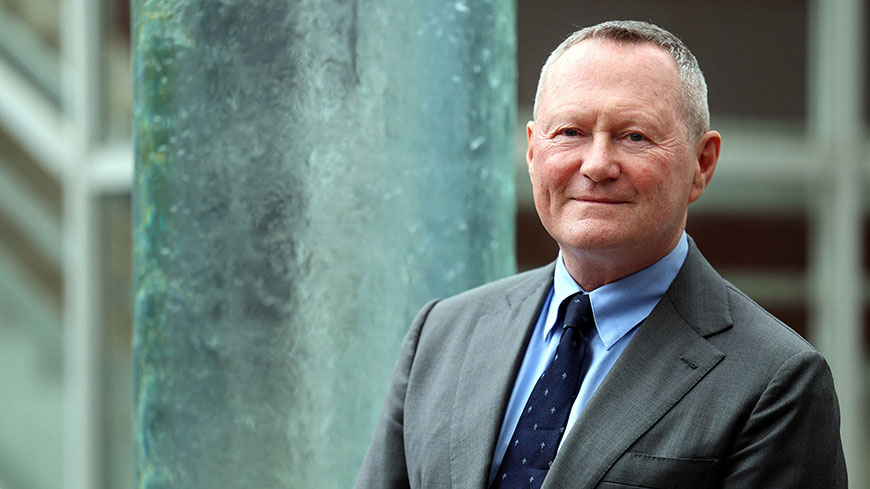
The recent decisions by Meta and X (formerly Twitter) to scale back their fact-checking initiatives have sparked serious concerns among human rights advocates. Council of Europe Commissioner for Human Rights, Michael O’Flaherty, has warned that these moves could have "adverse implications for human rights," creating a vacuum where disinformation flourishes, unchecked and unchallenged, ultimately undermining democratic foundations. This retreat from factual accountability raises critical questions about the balance between freedom of expression and the responsibility to protect against the proliferation of harmful falsehoods.
The core issue lies in the inherent tension between safeguarding free speech and combating harmful content. While the principle of free expression is paramount, it is not absolute and must be balanced against the need to prevent the spread of hate speech, disinformation, and incitement to violence. The digital age has exacerbated this tension, as harmful narratives can now circulate at unprecedented speed, often amplified by algorithms designed to maximize engagement, irrespective of veracity. This rapid dissemination makes correcting false information incredibly difficult, particularly when the source of the misinformation is a state actor or influential figure.
O’Flaherty emphasizes that combating disinformation is not an act of censorship, but rather a crucial aspect of human rights protection. The dignity of individuals, a cornerstone of democratic societies, is directly threatened by the spread of hate and intolerance. Established legal frameworks, including the European Court of Human Rights case law and the International Covenant on Civil and Political Rights, recognize the legitimacy of limiting speech that promotes hatred based on intolerance. This principle is not about suppressing legitimate dissent, but about preventing the dissemination of harmful ideologies that incite discrimination, hostility, and violence.
International human rights norms provide a crucial framework for navigating the complex landscape of online content moderation. These standards emphasize the principles of legality, necessity, and proportionality in any measures taken to combat disinformation. Furthermore, they underscore the importance of transparency and accountability in content moderation practices, including the use of algorithmic systems. O’Flaherty urges Council of Europe member states to actively enforce these legal standards, requiring greater transparency from internet intermediaries and ensuring that any state interventions remain firmly grounded in human rights law.
The Commissioner’s call for greater transparency and accountability targets both the platforms and state actors. Platforms must be more transparent about their content moderation practices, particularly concerning the use of algorithms that can disproportionately amplify certain types of content. Simultaneously, state intervention in online speech must be proportionate and grounded in established human rights principles, avoiding overreach that could stifle legitimate expression. Transparency and accountability serve as vital safeguards against both disinformation and excessive government control, fostering a balanced approach that protects both free speech and democratic values.
Ultimately, the goal is to establish a digital environment that respects both freedom of expression and the fundamental human right to be free from hate speech and disinformation. Achieving this balance requires a multi-faceted approach involving collaboration between governments, online platforms, and civil society. Robust legal frameworks, coupled with transparent and accountable content moderation practices, are crucial for navigating this complex terrain. Continued dialogue and collaboration among stakeholders are essential to ensure that content moderation policies effectively address the spread of harmful content without unduly restricting legitimate expression, fostering a digital space that supports both human rights and democratic discourse. The challenge lies in creating a digital public square that fosters healthy debate and critical thinking while safeguarding against the insidious erosion of truth and the proliferation of harmful ideologies. This requires ongoing vigilance, adaptation, and a commitment to uphold human rights principles in the face of evolving technological landscapes.