


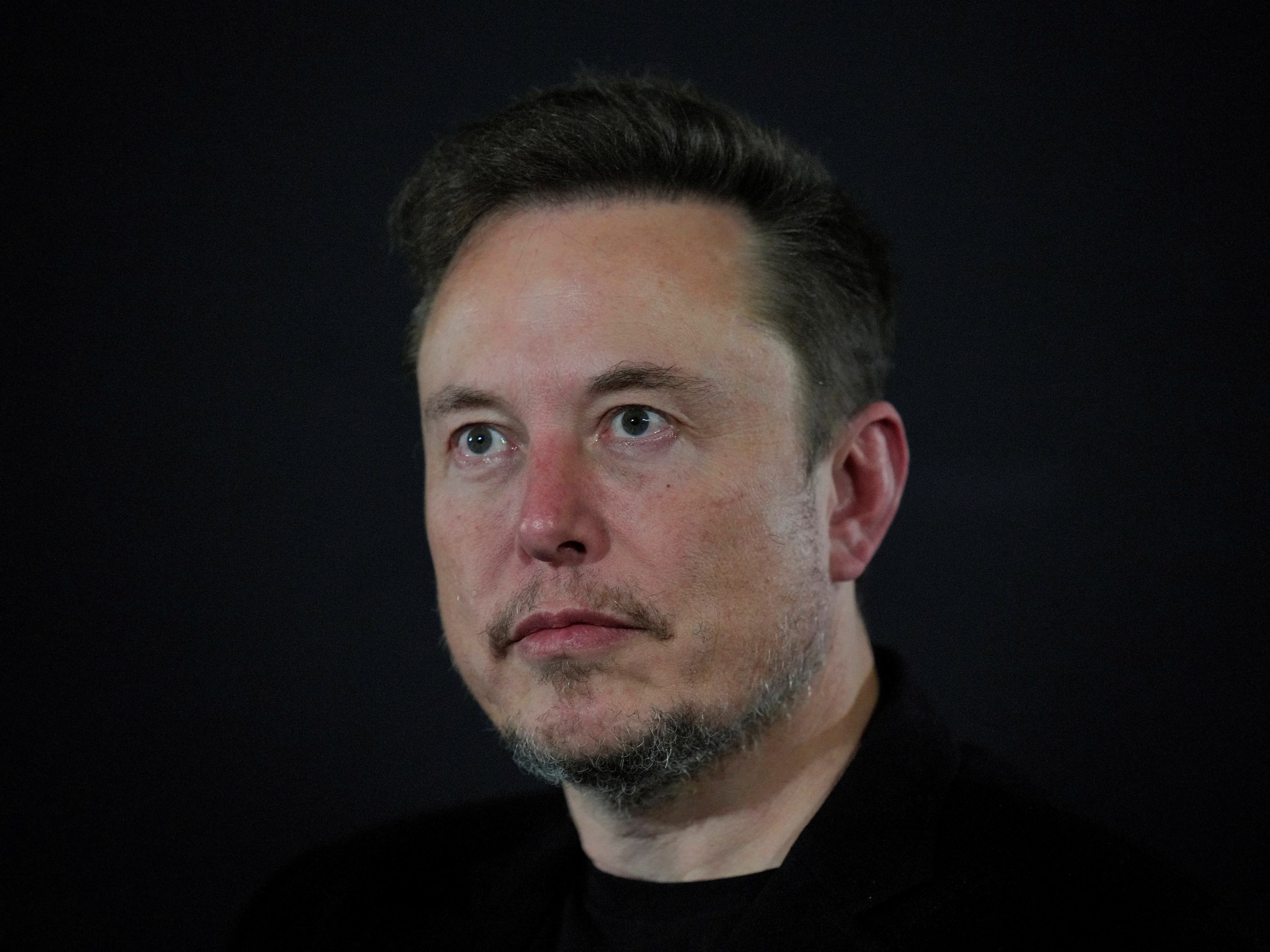
Australian Government Proposes Hefty Fines for Social Media Giants Spreading Misinformation, Sparking Clash with Elon Musk
Canberra, Australia – A heated debate has erupted between the Australian government and tech billionaire Elon Musk over proposed legislation aimed at curbing the spread of misinformation on social media platforms. The proposed law, introduced by the centre-left Labor Party government, would impose substantial fines of up to 5% of global annual revenue on companies that fail to prevent the dissemination of "reasonably verifiable" false, misleading, or deceptive content likely to cause significant harm. This move marks a significant escalation in the ongoing global struggle to regulate online content and protect the integrity of information ecosystems.
Communications Minister Michelle Rowland unveiled the legislation on Thursday, emphasizing the urgent need to address the pervasive threat of misinformation and disinformation, which she described as a danger to Australian safety, well-being, democracy, society, and economy. The legislation replaces a previous draft that faced significant criticism from media organizations, civil liberties advocates, and the Australian Human Rights Commission, highlighting the delicate balance between combating harmful content and safeguarding freedom of expression. The government’s determination to tackle this issue signals a growing recognition of the real-world impact of online falsehoods.
Elon Musk, owner of the social media platform X (formerly Twitter), reacted swiftly and sharply to the proposed legislation, branding the Australian government "fascists" in a terse online response. This inflammatory remark ignited a fierce exchange between Musk and several high-ranking Australian officials, further intensifying the already tense relationship between the tech mogul and the Australian government. The clash underscores the growing tension between governments seeking to regulate online spaces and tech giants advocating for minimal intervention.
Government Services Minister Bill Shorten rebuked Musk’s comments, accusing the Tesla and SpaceX CEO of exhibiting inconsistent stances on free speech, often aligning with its principles only when it suits his commercial interests. Shorten highlighted what he perceived as Musk’s hypocrisy, suggesting that the billionaire’s commitment to free speech wavers when faced with regulations that potentially impact his business ventures. This criticism reflects a broader concern that powerful tech figures may selectively champion free speech to protect their own interests while resisting measures that could hold them accountable.
Assistant Treasurer Stephen Jones also condemned Musk’s remarks, emphasizing the issue of national sovereignty and the Australian government’s right to regulate activities within its borders. Jones characterized Musk’s stance as "crackpot" and questioned the billionaire’s understanding of free speech, citing examples such as the dissemination of deepfakes, child pornography, and livestreamed murders as clear instances of harmful content that should not be protected under the guise of free speech. This argument underscores the complex challenge of defining the boundaries of free speech in the digital age and the need to balance individual rights with societal well-being.
This is not the first time Musk has clashed with Australian authorities over online content moderation. In April, X engaged in a legal battle with Australia’s eSafety commissioner over an order to remove posts related to a knife attack on a bishop in Sydney. The ensuing dispute escalated into a war of words between Musk and Australian officials, with Prime Minister Anthony Albanese labeling Musk an "arrogant billionaire." The internet watchdog eventually dropped its legal action in June after an Australian judge declined to extend an order requiring X to hide graphic video of the stabbing globally, a demand the platform had refused to comply with. This history of conflict underscores the ongoing tensions between X and Australian regulators, with the proposed misinformation law representing the latest chapter in their contentious relationship.
The proposed legislation raises several critical questions about the future of online content regulation. How will the government define "reasonably verifiable" false information? What mechanisms will be put in place to ensure fair and transparent enforcement of the law? And how will the legislation impact the balance between free speech and the need to protect the public from harmful content? These questions will require careful consideration as the Australian government navigates the complex landscape of online regulation.
The clash between Elon Musk and the Australian government highlights the growing global debate surrounding the responsibility of social media platforms in combating misinformation and disinformation. As governments worldwide grapple with the challenges posed by the rapid spread of false and misleading information online, the Australian case is likely to be closely watched as a potential model for future regulatory efforts. The outcome of this debate will have significant implications for the future of online discourse and the ability of governments to effectively address the harms posed by misinformation.
The proposed legislation also raises concerns about the potential for overreach and the chilling effect on legitimate speech. Critics argue that vague definitions of "misinformation" could be used to stifle dissenting voices and limit freedom of expression. Furthermore, the hefty fines proposed could disproportionately impact smaller platforms and independent media outlets, potentially leading to a concentration of power in the hands of a few dominant players.
The Australian government maintains that the legislation is necessary to protect citizens from the harms of misinformation, which can have serious consequences for public health, safety, and democratic processes. The government argues that self-regulation by social media companies has proven insufficient and that stronger measures are needed to hold platforms accountable for the content they host. The debate is likely to continue as the legislation makes its way through the Australian parliament.
The international community will be closely observing the developments in Australia, as the proposed legislation represents a significant step towards greater regulation of online content. Other countries grappling with similar challenges may look to Australia’s experience as they consider their own regulatory frameworks. The outcome of this debate could have far-reaching implications for the future of the internet and the role of social media in shaping public discourse.