


Headline: Gendered Disinformation: A Growing Threat to Women in Politics
In the digital age, political discourse has increasingly moved online, offering new avenues for engagement and debate. However, this digital landscape has also become a breeding ground for disinformation, a phenomenon that disproportionately targets women in politics. Gendered disinformation, unlike general misinformation, specifically weaponizes gender stereotypes and biases to discredit and undermine female political figures. This form of online abuse goes beyond simple criticism of policies or performance, focusing instead on personal characteristics, appearance, or adherence to traditional gender roles. It manifests in various forms, from mocking a female politician’s clothing choices to spreading false rumors about her personal life. The consequences of this insidious form of digital violence can be far-reaching, impacting not only the targeted individual but also the broader political landscape.
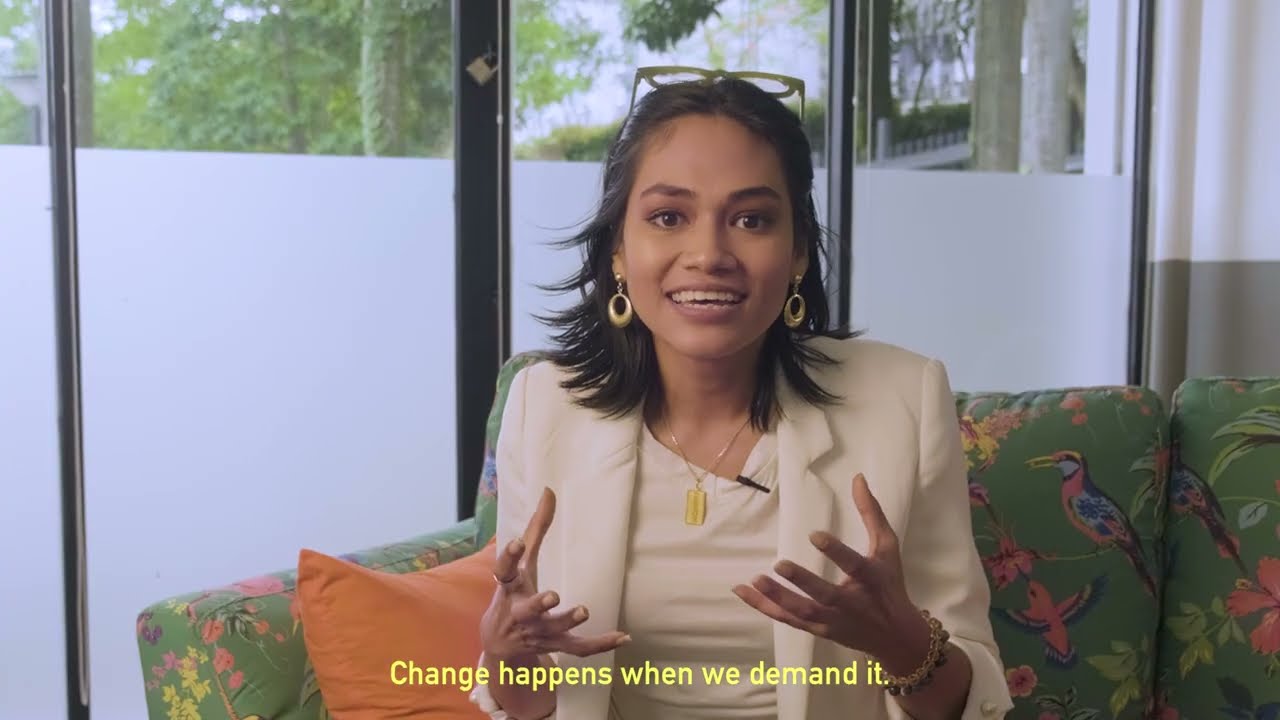
The experiences of Malaysian female politicians offer a stark illustration of the pervasive nature of gendered disinformation. Syerleena Rashid, the Member of Parliament for Bukit Bendera, Amira Aisya, the state assembly member for Puteri Wangsa, and KS Bawani, the deputy secretary general of the Socialist Party of Malaysia (PSM), have all faced online campaigns aimed at undermining their credibility and silencing their voices. These attacks often involve sexist and misogynistic language, focusing on their physical appearance, marital status, or perceived violation of traditional gender norms. Such attacks are designed to not only humiliate and intimidate them but also to deter other women from entering the political arena. These women, dedicated to serving their communities, find themselves forced to contend with an onslaught of online abuse that often escalates into real-world harassment and threats.
One of the most insidious aspects of gendered disinformation is its ability to reinforce harmful gender stereotypes. By attacking women based on their appearance or perceived deviation from traditional roles, these campaigns perpetuate the idea that women are less capable or less suited for leadership positions. This not only undermines the individual targets but also contributes to a broader culture of sexism that discourages women’s political participation. The online harassment creates a hostile environment that can deter aspiring female politicians, reinforcing existing power imbalances and hindering progress towards gender equality in politics. The message conveyed is clear: women who dare to enter the public sphere are subject to relentless scrutiny and abuse, a stark contrast to the treatment often afforded their male counterparts.
The emotional, psychological, and professional toll of gendered disinformation is significant. The constant barrage of online abuse can lead to anxiety, depression, and even post-traumatic stress disorder. The fear of online harassment can also force women to self-censor, limiting their engagement in public discourse and hindering their ability to effectively represent their constituents. Furthermore, the spread of false or misleading information can damage a politician’s reputation and undermine public trust, impacting their ability to advance their political agendas. The constant need to defend themselves against false accusations and online smears can distract from their core work and hinder their effectiveness as leaders.
Addressing the growing threat of gendered disinformation requires a multi-faceted approach. Social media platforms have a crucial role to play in developing and enforcing policies that effectively combat online harassment and the spread of disinformation. Fact-checking initiatives can help to debunk false claims and hold malicious actors accountable. Media literacy programs can empower individuals to critically evaluate online information and identify disinformation campaigns. Furthermore, legal frameworks may be necessary to address the most egregious forms of online abuse, holding perpetrators accountable and providing legal recourse for victims.
Ultimately, combating gendered disinformation requires a cultural shift that challenges underlying sexist attitudes and promotes gender equality. This includes fostering a culture of respect and civility in online discourse, supporting women’s political participation, and challenging gender stereotypes that perpetuate harmful narratives. Only by addressing the root causes of this problem can we create a truly inclusive and democratic political landscape where women can participate freely and effectively without fear of online harassment and abuse. By recognizing and addressing the specific challenges faced by women in politics, we can pave the way for a more equitable and representative political system.