


DICT Appeals to Zuckerberg to Combat Fake News Proliferation on Facebook
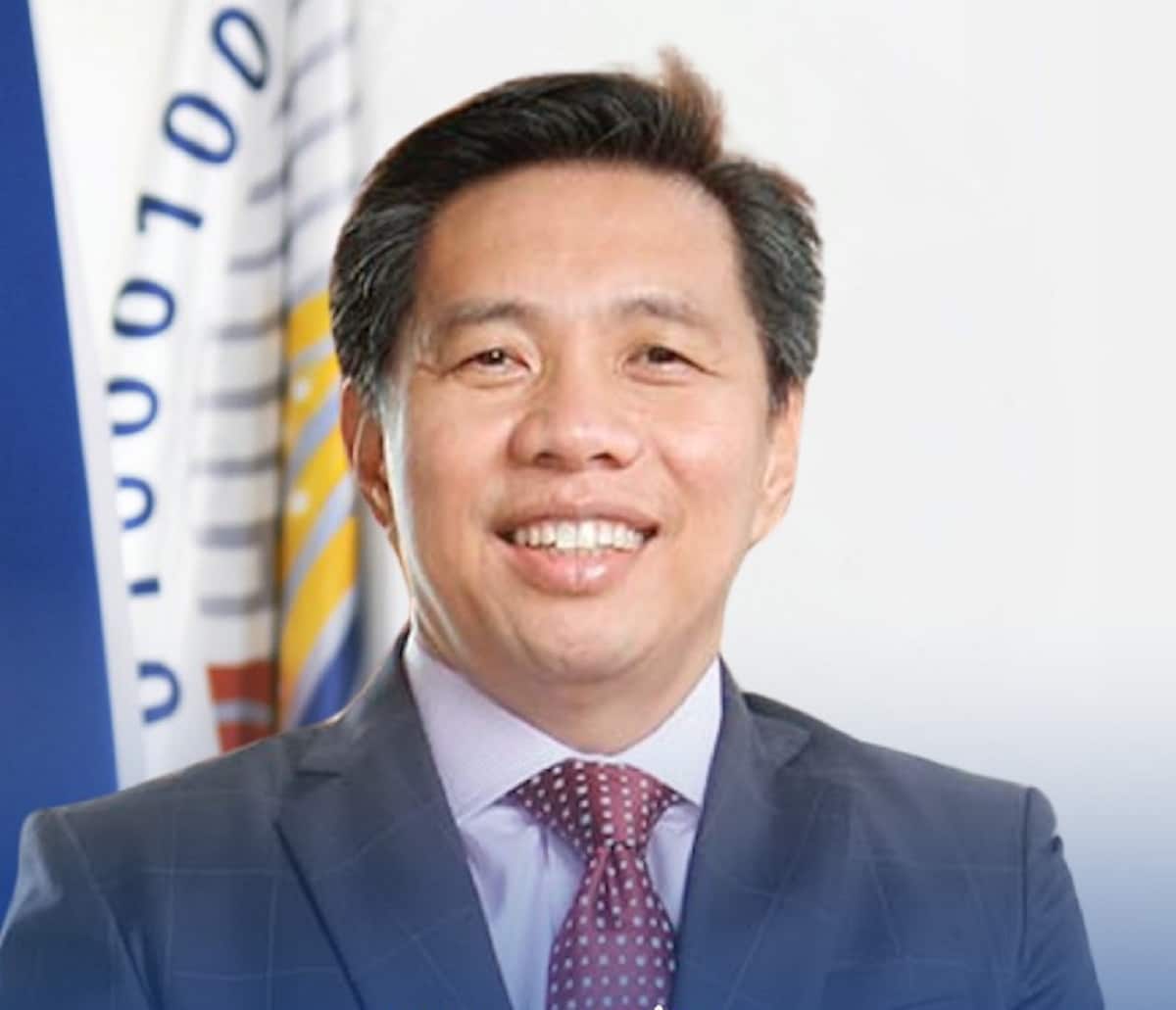
The Department of Information and Communications Technology (DICT) has formally requested Facebook CEO Mark Zuckerberg to address the escalating issue of fake news dissemination on the social media platform. DICT Secretary Henry Aguda confirmed that a letter was sent to Zuckerberg two weeks prior, urging Facebook to reaffirm its original mission of connecting people rather than contributing to societal division through the spread of misinformation. Aguda expressed optimism about Facebook’s potential to curb the spread of fake news, citing the platform’s recent actions against influencers promoting illegal online gambling as an example of their responsiveness.
The DICT’s appeal comes amidst growing concerns about the detrimental impact of fake news on various aspects of Philippine society, including political discourse, public health, and even tourism. The pervasiveness of false information online has eroded trust in traditional media outlets and fostered an environment of skepticism and polarization. The ease with which fabricated stories and manipulated content can be shared and amplified on platforms like Facebook poses a significant challenge to democratic processes and societal cohesion.
Aguda emphasized that Facebook’s role in combating fake news is crucial due to its massive reach and influence. As one of the largest social media platforms globally, Facebook has a responsibility to ensure that its users are not exposed to harmful and misleading information. The DICT’s letter to Zuckerberg calls for a renewed commitment from Facebook to prioritize the accuracy and integrity of content shared on its platform. The agency believes that by working together with social media giants like Facebook, progress can be made in mitigating the negative consequences of fake news.
In addition to reaching out to Facebook, the DICT is actively collaborating with civil society organizations and private sector stakeholders to develop comprehensive strategies for combating fake news. Aguda highlighted the importance of a multi-pronged approach that involves educating the public about media literacy, fact-checking suspicious information, and holding purveyors of fake news accountable. The DICT is exploring various initiatives to empower citizens with the critical thinking skills necessary to discern credible sources from misleading ones. These efforts aim to build a more resilient information ecosystem that is less susceptible to the spread of disinformation.
The DICT’s concerns about the spread of fake news coincide with renewed legislative efforts to address the issue. Senator Joel Villanueva has reintroduced the Anti-Fake News Act in the 20th Congress, aiming to penalize individuals involved in the creation and dissemination of false information. The proposed legislation seeks to define fake news, establish legal liabilities, and create mechanisms for reporting and taking down misleading content. While the bill has garnered support from some sectors, others have raised concerns about potential implications for freedom of expression and the need to strike a balance between combating disinformation and protecting legitimate speech.
The DICT recognizes that addressing the complex challenge of fake news requires a collaborative approach involving government agencies, social media platforms, civil society organizations, and the public. By working together, these stakeholders can create a more informed and responsible online environment that promotes the free flow of accurate information while mitigating the harmful effects of disinformation. The DICT’s appeal to Mark Zuckerberg represents a significant step towards engaging social media platforms in this crucial endeavor and fostering a healthier digital landscape for all.