


Paragraph 1: The Emergence of the AI-Driven Scam
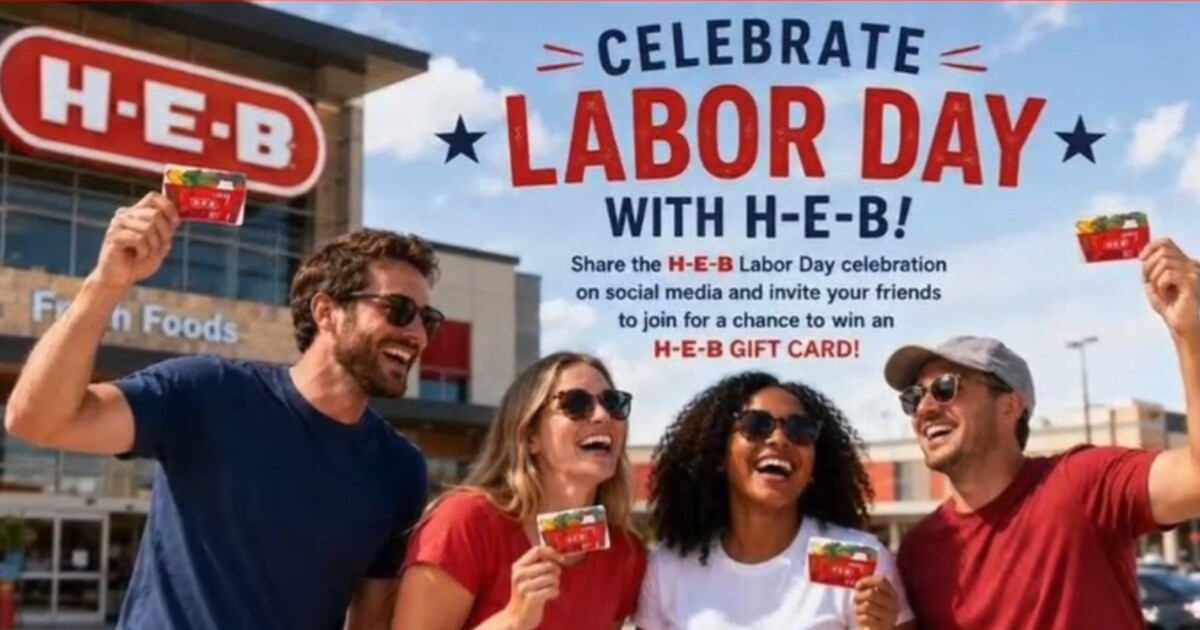
Residents across the Coastal Bend region of Texas are facing a sophisticated new digital threat just as the Labor Day weekend approaches, as fraudsters have leveraged cutting-edge artificial intelligence to manufacture convincing advertisements offering entirely free HEB gift cards. These deceptive promotions, which have been circulating rapidly through social media platforms and messaging apps, claim to reward users simply by clicking a link and verifying their personal information. However, the Better Business Bureau (BBB), a long-standing guardian of consumer protection, has issued an urgent and unequivocal warning that these links do not lead to the beloved Texas grocery chain, whose brand they so credibly impersonate. Instead, these fraudulent links serve as the entry point for a multi-layered cyberattack designed to harvest personal information and compromise the devices of unsuspecting users. The scam capitalizes on the festive, budget-conscious mood of the holiday weekend, preying on consumers who are eager to secure a financial win amidst persistently rising grocery prices. By creating ads that appear virtually indistinguishable from authentic HEB promotions, scammers exploit the deep trust that Texas families place in the grocer, making the trap exceptionally dangerous. The local news outlet KRIS 6 News first reported on this fraud, amplifying the BBB’s alert across the region to ensure that no one falls victim to what looks like a generous holiday giveaway. This initiation of the scam highlights a stark reality: digital trust is being weaponized, and the mere presence of a recognizable corporate logo online no longer guarantees authenticity. Every aspect of these ads, from the typography to the official-looking graphics, has been tailored to bypass the initial skepticism that normally accompanies unsolicited online offers. As the holiday weekend begins, the warning serves as a critical firewall between consumers and cybercriminals who are eager to exploit the goodwill and distraction of the season. The BBB emphasizes that the emotional pull of a free gift card, especially one from a cherished local favorite like HEB, is precisely the psychological leverage scammers need to succeed in their fraudulent scheme.
Paragraph 2: The Sophistication of Artificial Intelligence in Fraud
The emergence of artificial intelligence in this scam marks a troubling evolution in cybercrime, moving far beyond the poorly written spelling errors and unprofessional graphics that once characterized phishing attempts. Traditional scams often fell apart upon close inspection due to grammatical mistakes or awkward phrasing, which acted as an accidental early warning system for savvy consumers. However, contemporary generative AI tools allow fraudsters to produce flawless marketing copy, precise company branding, and realistic banner graphics in a matter of seconds, effectively erasing the visual cues that once distinguished legitimate offers from fraudulent ones. In the case of the Labor Day HEB campaign, the fake ads use correct logos, standard promotional colors, and professional-sounding language, mirroring the exact communication style that HEB uses in its actual weekly advertisements and seasonal campaigns. This technological capability lowers the barrier to entry for malicious actors, enabling even technically inept scammers to deploy high-quality, hyper-targeted content at scale. The specific timing of the campaign is another calculated element, as Labor Day represents one of the major retail holidays when consumers are primed with a natural expectation for special deals and exclusive promotions. The promise of a $100, $250, or even $500 gift card feels plausible to many because major chains routinely offer such incentives during holiday weekends to secure customer loyalty. By planting the fake ad within the noise of legitimate digital marketing, scammers increase the likelihood that a user will catch a glimpse of it during a quick scroll and click without scrutinizing the source. In essence, AI has democratized the creation of convincing deceptive content, meaning that the old advice of “look for poor grammar to spot a scam” is now dangerously obsolete. The BBB notes that this technological shift requires consumers to adopt a higher standard of cynicism, treating any unsolicited link with extreme caution regardless of how perfect the surrounding visuals may be. Without the traditional guardrails of visual red flags, the new front line of defense relies entirely on the user’s behavior and their willingness to verify information through official channels. The sophistication of this specific HEB impersonation serves as a stark case study for the broader threat landscape facing all consumers in an era where seeing is no longer believing.
Paragraph 3: The Severe Consequences of Clicking the Link
According to Katie Galan of the Better Business Bureau, the consequences of clicking on the suspicious link embedded in these fraudulent HEB gift card ads are severe, ranging from immediate device compromise to long-term identity theft. She articulates a strict, non-negotiable rule for consumers: “We tell everybody never ever ever click on the link.” The primary threat is the installation of malware, a broad category of malicious software that operates silently in the background to compromise the victim’s system. Once installed, malware can function as a keylogger, recording every keystroke typed on the device, thus capturing passwords for banking accounts, email, and social media. It can also exfiltrate saved files, including sensitive documents, personal photos, and contact lists, transferring them directly to the scammers’ servers without the user’s knowledge. On mobile devices, malware may request invasive permissions, allowing attackers to read text messages, access location data, or even intercept two-factor authentication codes, effectively bypassing crucial security layers. Beyond the direct device infection, the scam also funnels victims to deceptively crafted phishing websites designed to trick users into voluntarily surrendering their personally identifiable information (PII). These sites typically mimic HEB’s official login portal or a prize redemption form, requesting full names, home addresses, email addresses, and often payment card details under the guise of “shipping fees” or “verification charges.” Scammers profit immensely from this data; it can be sold on dark web marketplaces, used to open fraudulent credit accounts, or leveraged to orchestrate identity theft on a massive scale. The psychological impact is also significant, as victims grapple with the violated trust in a beloved brand and the daunting task of securing their compromised financial and personal lives. Remediation often requires hours of work, contacting banks to freeze accounts, changing dozens of passwords, and monitoring credit reports for years. The ease with which one careless click can cascade into such extensive damage underscores why the BBB places such a high emphasis on prevention rather than reaction. The very act of clicking is the point of no return, as the malware establishes a persistent foothold that is incredibly difficult for average consumers to detect or remove without professional help from cybersecurity experts.
Paragraph 4: The Viral Spread and Social Engineering Tactics
A particularly insidious component of the HEB gift card scam is its deliberate design to exploit social networks to amplify its reach, transforming every victim into an unwitting accomplice for the fraudsters. The fake promotion explicitly instructs users to share the message with friends and family before they can “claim” their reward, claiming that the sharing is a requirement to unlock the gift card. This demand taps into a common behavioral quirk of social media, where users routinely engage with giveaways and viral challenges without critically evaluating their legitimacy. When a victim clicks the link and enters their information, they are usually prompted to share the ad to their timeline, group chats, or direct messages. This action grants the scammers direct access to the entire friend list of the victim, not just through the shared post itself, but potentially through malicious code that scrapes the platform’s data. The sharing mechanism serves multiple purposes for the cybercriminals. Firstly, it provides social proof; when a user sees that their trusted friend has shared the promotion, they are far more likely to believe it is legitimate and click the link themselves. Secondly, it exponentially expands the pool of potential victims, ensuring that the scam continues to circulate long after the initial seed posts are created. This “viral loop” requires minimal effort from the original scammers, as innocent users do the work of spreading the malicious payload to their entire network. The psychological manipulation is deceptive, preying on generosity—people often share deals they believe will genuinely help their friends save money during tough economic times. The BBB warns that if you have already shared the post, immediate action is required to minimize the fallout. You must go back to your original message and delete it completely, removing it from your timeline and any groups you posted it to. More critically, you should proactively contact all your friends and family who may have seen or forwarded the post, alerting them that it is a fraud and instructing them absolutely not to click the link. Maintaining this vigilance is crucial because scams are rarely one-off events; criminals reuse successful templates, and alerting your network breaks the chain of transmission. Failing to retract the post leaves a digital time bomb online, continuing to lure new victims days or even weeks after the original holiday hype has faded, solely because the decaying post retains a veneer of authenticity from being shared by a real person.
Paragraph 5: Remediation and the Essential Practices for Prevention
For those who have already fallen for the trap, whether by clicking the link, entering data, or sharing the post, the BBB recommends a clear and urgent protocol to mitigate the damage and halt the spread. The first step is to immediately disconnect from the network or power down the device if you suspect malware was installed during the click, as this can prevent the malicious software from transmitting additional data. Following that, run a comprehensive security scan using a reputable antivirus or anti-malware application, though heavy infections may necessitate professional computer repair to ensure the device is completely clean. Additionally, it is imperative to change all passwords immediately, not just for your HEB account but for every online service you own, prioritizing those tied to email, banking, and financial apps, since stored credentials may have been stolen. Enabling two-factor authentication on all accounts adds another layer of protection, making it harder for scammers to hijack them even if they have your actual logins. For the broader prevention of future attacks, the BBB emphasizes the essential practice of verifying any promotion directly with the company rather than trusting a link inside a suspicious message. If you see an incredible offer for HEB gift cards, do not click the provided link; instead, open your web browser and manually type in the official HEB website address or use the company’s verified mobile app to see if a legitimate promotion actually exists. Call the HEB customer service line directly and ask if the giveaway is real—real companies will always have standard channels for confirming such offers. You can also check the company’s verified social media pages for announcements about official contests, as legitimate promotions are almost always publicly advertised there as well. Be wary of advertisements that contain urgent language, countdown timers, or requirements to share with a certain number of friends before receiving a listed reward, as these are classic hallmarks of viral phishing scams. When in doubt, taking a ten-minute pause before engaging with any online offer can save you from weeks of financial distress and identity recovery efforts. This precaution translates across the entire digital landscape: treat every unexpected notification or giveaway—whether from a bank, delivery service, or grocery store—with the same level of thorough scrutiny until you have verified it through an official, independent path that you initiated yourself.
Paragraph 6: Reporting the Scam and Strengthening Community Defenses
The BBB strongly encourages anyone who encounters this HEB gift card scam, or any similar fraudulent promotion, to report it immediately through the organization’s official reporting portal at BBB.org/scamtracker. This reporting mechanism is not merely an administrative exercise; it is a vital tool that allows the BBB to aggregate data on emerging threats, identify geographic hotspots of malicious activity, and share actionable intelligence with law enforcement agencies across the country. When a consumer files a report, it contributes to a larger statistical database that paints a clear picture of how these criminal networks operate, helping police departments and federal agencies like the FBI’s Internet Crime Complaint Center (IC3) build cases against the perpetrators. By reporting the scam, you not only protect yourself but also contribute to a community defense network that can issue early warnings to others before they become victims. Furthermore, the proliferation of AI-generated scams like this one signals a broader shift in the cybercrime landscape, where the cost of creating convincing fraudulent content has dropped to near zero. Consumers must adapt by developing a resilient “zero-trust” mindset in their online interactions, especially during high-pressure shopping periods like Labor Day, Black Friday, and Christmas. It is increasingly necessary to treat unsolicited offers of free products like gift cards with extreme suspicion, recognizing that if it sounds too good to be true, it almost certainly is. Staying educated on the latest scam tactics is essential, as is maintaining open communication with family members, particularly the elderly, who may be less familiar with the specific nuances of AI-generated phishing. In the local Corpus Christi area, KRIS 6 News continues to serve as a critical conduit for this information, encouraging viewers to stay updated through their network’s app and social media channels to keep pace with rapidly evolving fraud schemes. By combining individual vigilance with active reporting and the community sharing of verified alerts, consumers can collectively harden their defenses against these increasingly sophisticated cyber threats. The battle against scammers is not a passive one; it requires proactive steps, continuous learning, and a commitment to breaking the viral loop of misinformation before it causes lasting financial and emotional harm to families across the Coastal Bend region and beyond.