


AI-Generated Voice Clones Fuel Disinformation Campaign Targeting Polish Election
In a disturbing development highlighting the evolving sophistication of disinformation tactics, a British 999 call handler’s voice was cloned using artificial intelligence and deployed in a Russian online campaign aimed at influencing the Polish presidential election held in May. This unsettling revelation, uncovered by a BBC Verify investigation, underscores the potential for AI-generated voice cloning to be weaponized for political manipulation and the spread of false narratives.
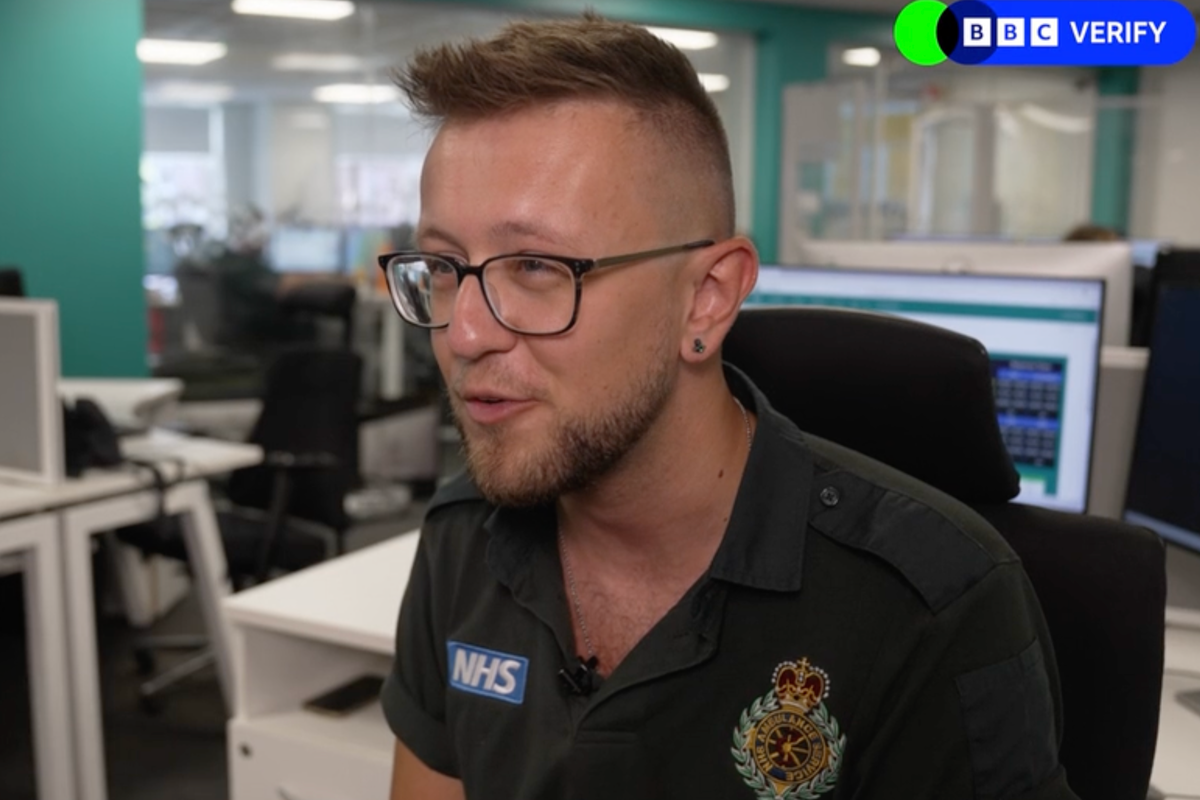
Aaron, an emergency medical advisor, became the unwitting target of this malicious campaign when his voice was extracted from a video posted by the North West Ambulance Service. The video, intended to inform the public about emergency services availability during the Easter holidays, became the source material for the AI-generated voice clone. Aaron expressed his shock and concern upon learning about the misuse of his voice, stating that even his close friends and family would likely be unable to distinguish the cloned voice from his own. This chilling realization emphasizes the persuasive power of AI-generated audio and its potential to deceive even those intimately familiar with the original voice.
The disinformation campaign, attributed to Russian sources, leveraged the cloned voice to spread fear and uncertainty among Polish voters in the lead-up to the presidential election. By impersonating a credible figure like an emergency services professional, the campaign sought to undermine public trust and potentially influence voting behavior. The specific content of the disinformation messages remains undisclosed, but the BBC investigation suggests it was designed to create anxiety and sow discord within the Polish electorate.
This incident serves as a stark warning about the escalating capabilities of AI-powered disinformation campaigns. The ability to clone voices with remarkable accuracy opens up new avenues for malicious actors to impersonate individuals, spread false information, and manipulate public opinion. Previously, creating convincing fake audio required sophisticated equipment and technical expertise. Now, with readily available AI tools, the barrier to entry for creating realistic voice clones has been significantly lowered, making it easier for individuals or groups with malicious intent to engage in disinformation activities.
The implications of this technology extend beyond political campaigns. Imagine the potential for fraud and scams, where criminals could impersonate loved ones or trusted figures to extract sensitive information or financial resources. The technology could also be used to damage reputations, create false evidence, or even incite violence by spreading fabricated statements attributed to public figures. As this technology continues to advance, it becomes increasingly critical for individuals, organizations, and governments to develop strategies to detect and counter these sophisticated forms of manipulation.
This incident underscores the urgent need for a multi-faceted response to the threat posed by AI-generated disinformation. Tech companies developing these AI voice cloning tools must implement robust safeguards to prevent misuse and ensure responsible deployment. Media organizations and fact-checking platforms need to enhance their capabilities to identify and debunk AI-generated fakes. Furthermore, governments and international bodies should explore regulatory frameworks to address the ethical and legal implications of voice cloning technology and its potential for malicious use. Educating the public about these deceptive tactics is also crucial to empowering individuals to critically evaluate information and identify potential manipulation. The fight against disinformation is entering a new and challenging phase, and a concerted effort is required to protect the integrity of information and democratic processes.