


The Unchecked Power of Social Media: A Threat to Democracy
The rapid rise of social media platforms like Facebook, TikTok, and X (formerly Twitter) has revolutionized communication and information sharing, connecting billions worldwide. While these platforms offer numerous benefits, their unchecked power has become a breeding ground for hate speech, disinformation, and extremist ideologies, posing a significant threat to democratic institutions globally. The algorithms driving these platforms, designed to maximize user engagement and advertising revenue, often prioritize sensational and divisive content, inadvertently amplifying harmful narratives and exacerbating societal divisions. This business model, coupled with inadequate content moderation, has resulted in real-world consequences, including violence, political polarization, and erosion of public trust.
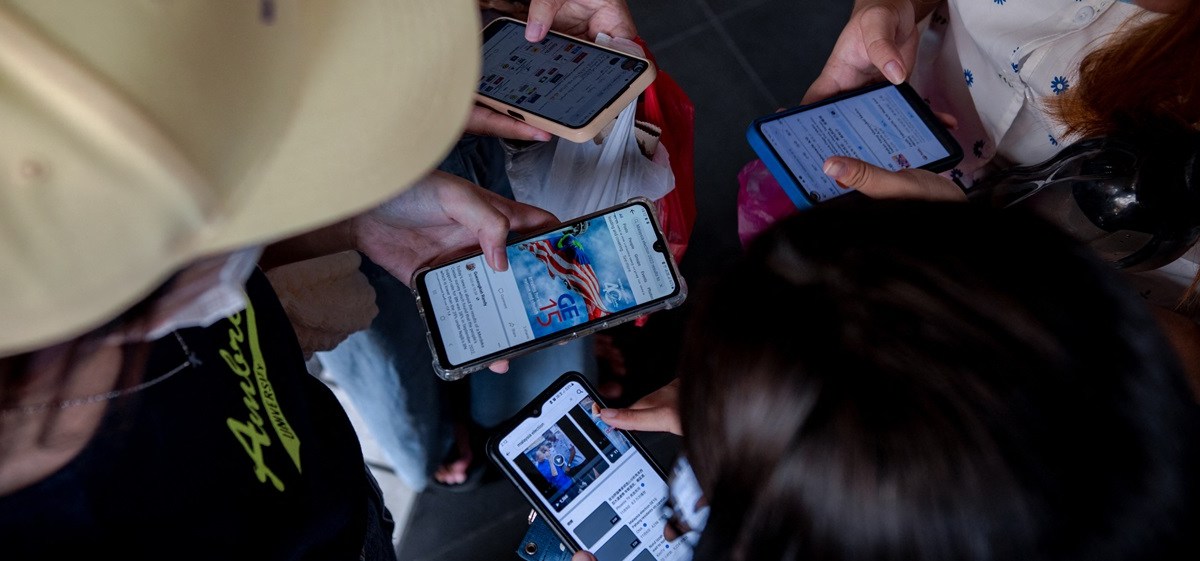
Recent incidents in India and Malaysia highlight the dangers of inadequate content moderation. In India, Meta (Facebook’s parent company) approved politically charged ads containing anti-Muslim hate speech and misinformation during the 2024 elections. Similarly, during the 2022 Malaysian elections, TikTok became a platform for inflammatory content promoting ultra-Malay nationalism, including calls for racial violence. These examples underscore the urgent need for social media companies to invest in robust content moderation practices, particularly in non-English languages and during sensitive political periods. The failure to do so can have devastating consequences, undermining democratic processes and social cohesion.
The core issue lies in the engagement-driven algorithms that underpin social media platforms. These algorithms prioritize content that elicits strong emotional responses, regardless of its veracity. Research has consistently shown that false and inflammatory content spreads faster and receives more engagement than factual information. This creates a perverse incentive for platforms to amplify harmful content, as it drives user engagement and, consequently, advertising revenue. The reliance on political advertising further complicates the issue, as platforms are often hesitant to crack down on misleading political ads, fearing a loss of revenue. This dynamic creates a permissive environment where bad actors can exploit these platforms to spread disinformation and hate speech with impunity.
The current self-regulatory approach by social media companies has proven ineffective. Voluntary measures and public relations campaigns have failed to address the systemic issues that allow harmful content to proliferate. Governments and international organizations must intervene to hold these companies accountable and enforce meaningful standards for content moderation. This requires a multi-pronged approach, including substantial fines for repeated violations of content policies, mandatory investments in content moderation, particularly for non-dominant languages, and regular third-party audits of content moderation systems.
Furthermore, given the global nature of social media, coordinated regional and international efforts are essential. Countries facing similar challenges should collaborate to develop shared standards and regulations for content moderation. Regional organizations like ASEAN can play a crucial role in facilitating cooperation and knowledge sharing among member states. These regional efforts should be complemented by international initiatives to develop global norms and guidelines for social media governance. Multilateral forums such as the United Nations and the G20 can provide platforms for dialogue and coordination among nations.
The unchecked power of social media companies poses a clear and present danger to democracies worldwide. From fueling violence and polarization to eroding public trust, the consequences of inadequate content moderation are far-reaching and potentially devastating. The examples of India and Malaysia serve as stark reminders of the urgent need for action. Policymakers, civil society organizations, and the public must unite to demand accountability from social media giants and implement effective measures to mitigate the harms they enable. This requires a comprehensive approach that combines stronger regulation, increased investment in content moderation, greater transparency, and international cooperation. Failure to act decisively risks undermining the very foundations of democratic societies. The future of democracy in the digital age depends on our collective ability to rein in the unchecked power of social media and create a more responsible and accountable online environment.