


WhatsApp’s Expanding Role in Latino Communities Fuels Connection and Disinformation Concerns in 2024
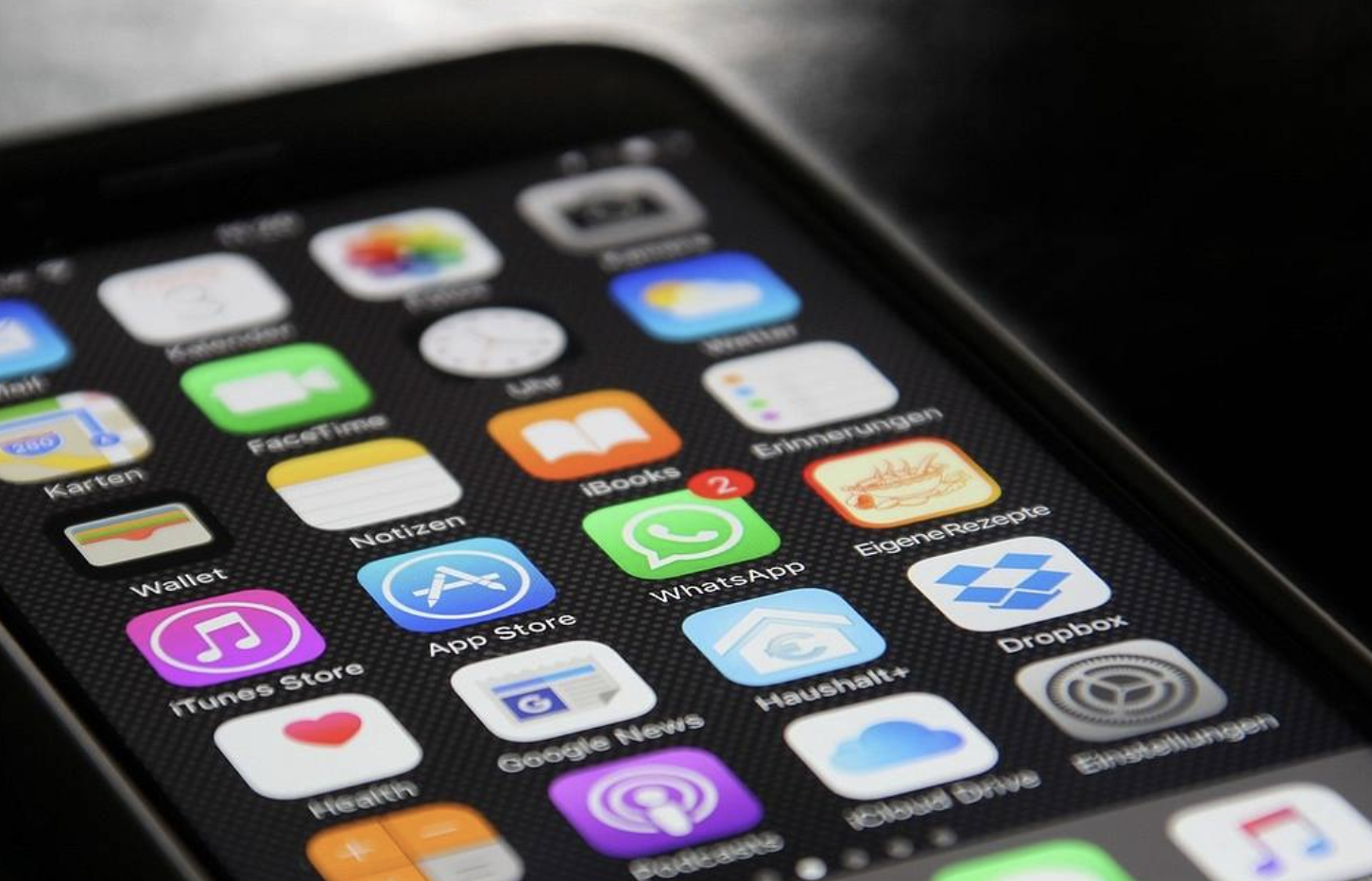
WhatsApp’s influence as a primary communication tool continued to grow in 2024, solidifying its position as a digital hub for U.S. Latino communities. While the platform facilitates vital connections between family and friends and serves as a crucial source of information, its widespread use also raises concerns about the rapid dissemination of disinformation, particularly during critical periods like elections. Meta, WhatsApp’s parent company, reported a staggering 3.2 billion monthly active users globally by late 2024, with 100 million users residing in the United States. Among U.S. Latinos, WhatsApp’s penetration is especially significant, with Pew Research Center data indicating 54% of Latino adults utilizing the app, a notable increase from 46% in 2021. Even among Latino teenagers, engagement remains substantial, with 29% regularly using the platform. This reliance extends to news consumption, as Equis Research reveals that 12% of Latinos across 12 states depend on WhatsApp for news updates.
The prevalence of disinformation on WhatsApp poses a significant challenge. Research from the Digital Democracy Institute of the Americas (DDIA) and Palver, a Brazilian tech group, sheds light on the scale of the problem. Their analysis of over 1,487 public WhatsApp groups, primarily communicating in Spanish or Portuguese, revealed a staggering 1.6 million messages exchanged between January and October 2024. These groups, comprising nearly 800,000 users, demonstrate the platform’s extensive reach. The research identified over 3,200 instances of false or misleading messages, often related to elections. This disinformation circulated in over 1,400 Latino-led public groups, reaching more than 3.4 million Spanish and Portuguese speakers. The content included misleading claims targeting political figures like Joe Biden and Donald Trump, as well as distortions about voting processes in countries like Mexico and Brazil.
The spread of disinformation is further exacerbated by common manipulation tactics employed within these groups. Researchers observed the frequent use of emotionally charged language, ad hominem attacks, and the selective presentation of information (cherry-picking) to sway opinions and manipulate narratives. Beyond electoral misinformation, global conflicts and crises also serve as breeding grounds for false narratives on WhatsApp. Over 600 messages in Latino-led groups propagated falsehoods about the war in Gaza, NATO’s involvement in Ukraine, and Ecuador’s security situation. The use of disturbing imagery and out-of-context videos further fueled sensationalism and amplified the reach of these misleading narratives.
Compounding the issue of disinformation is WhatsApp’s end-to-end encryption, which, while designed to protect user privacy, makes comprehensive content monitoring a daunting task. Researchers often rely on access to public groups to analyze trends and identify patterns of misinformation. DDIA’s identification of 3,000 "viral" messages, flagged by Meta’s double arrow icon for frequently forwarded content, highlights the rapid spread of potentially misleading information. These viral messages frequently interwoven political themes with topics like religion and immigration, gaining significant traction across borders and amplifying their impact.
Further analysis reveals that the most engaging disinformation campaigns often blend political, economic, gender, and religious themes. Anti-communism narratives, often propagated by right-wing groups, frequently incorporate these elements and become intertwined with discussions surrounding elections. The research suggests that nearly 400,000 U.S.-based Latinos may have encountered these misleading claims across 1,200 public WhatsApp groups. This blending of narratives creates a potent mix that resonates with certain segments of the population, making them more susceptible to believing and sharing false information.
The vulnerability of Latino communities to disinformation is further emphasized by recent research from the University of California, San Diego, and New York University. Their study, which surveyed over 1,100 U.S.-based Latinos, points to significant gaps in content moderation and fact-checking within Spanish-language media. The findings reveal that Latinos who rely on Spanish-language social media for news are significantly more likely to believe false political narratives, ranging from claims about U.S. immigration policies to misinformation about COVID-19, compared to those who primarily consume English-language news. This disparity highlights the urgent need for improved media literacy efforts and enhanced fact-checking resources tailored to Spanish-speaking communities to counter the spread of disinformation and its potential harmful consequences.