


New Bill Aims to Combat Fake News with Hefty Penalties
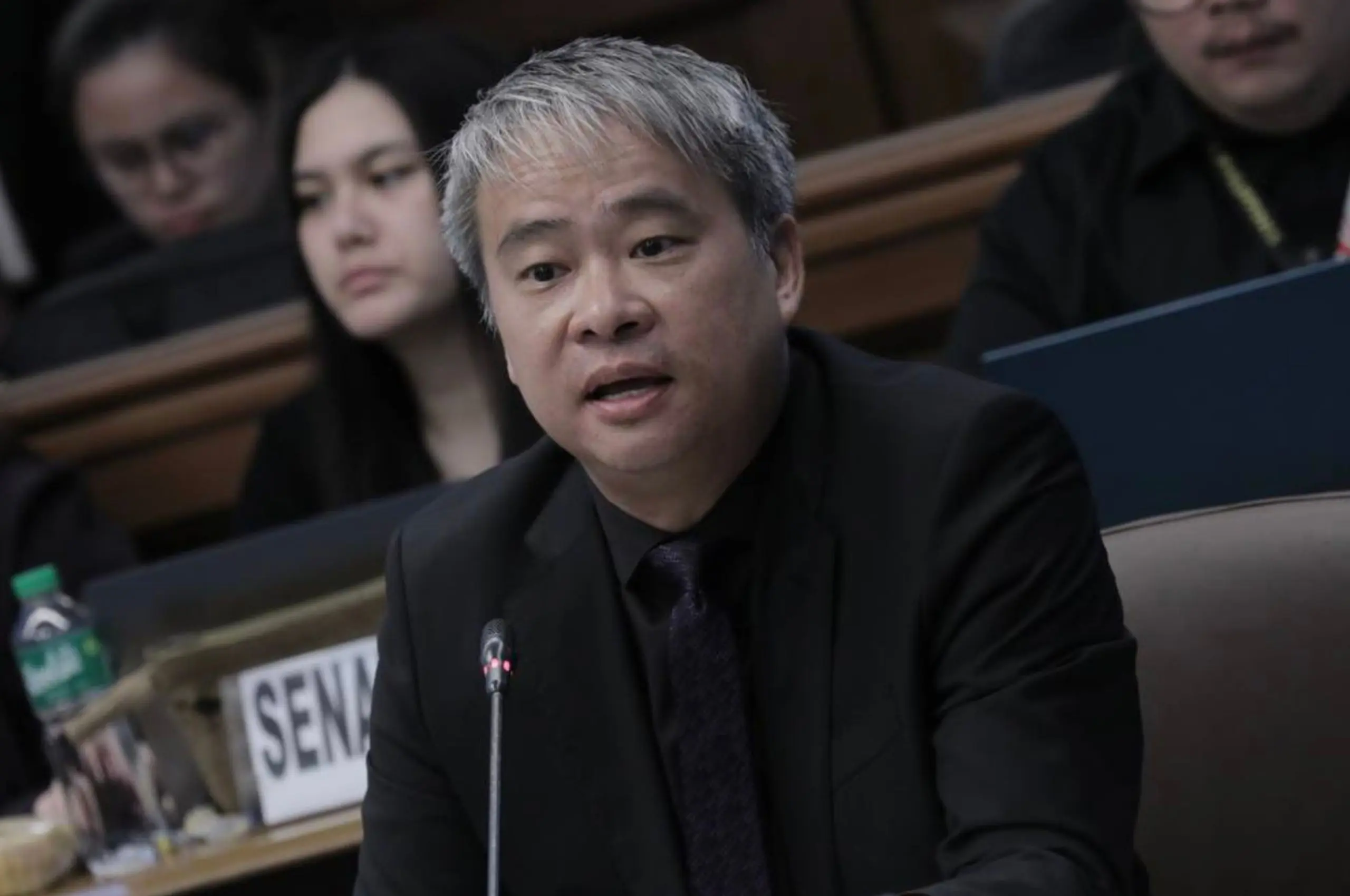
Senator Joel Villanueva has introduced a bill designed to combat the proliferation of fake news and misinformation, proposing substantial penalties for individuals and organizations involved in its dissemination. The bill criminalizes the malicious creation, publication, distribution, and circulation of false news or information across various media platforms, including print, broadcast, and online channels. Individuals found guilty could face a maximum prison sentence of five years and a fine of up to P5 million. The proposed legislation also targets those who aid and abet the spread of fake news, with penalties reaching three years imprisonment and a P3 million fine. Public officials convicted under the law would face double penalties and permanent disqualification from holding public office.
A key component of the bill focuses on the accountability of mass media enterprises and social media platforms. These entities could face significant penalties, including up to 20 years in prison and fines ranging from P10 million to P20 million, for failing to remove false news or information from their platforms. This provision highlights the bill’s intent to hold media organizations responsible for contributing to the spread of misinformation. The proposed legislation builds upon previous attempts to address the issue of fake news, none of which have successfully been passed into law. Earlier efforts primarily sought to amend the existing Cybercrime Prevention Act of 2012.
The most recent endeavor to tackle disinformation in the 19th Congress came from Cagayan de Oro 2nd District Representative Rufus Rodriguez. Rodriguez’s bill, filed in May, aimed to create a separate law specifically addressing fake news, independent of the cybercrime law. His proposal included harsher penalties, with violators facing up to 12 years imprisonment and fines ranging from P500,000 to P2 million. Importantly, Rodriguez’s bill also encompassed those involved in operating troll farms, recognizing their role in amplifying disinformation campaigns. Villanueva’s bill moderates the prison terms proposed by Rodriguez while maintaining significant financial penalties.
Both Villanueva’s and Rodriguez’s proposals have drawn criticism from journalists and human rights advocates, who express concerns about potential censorship and the chilling effect on freedom of expression. Critics argue that such legislation could grant excessive power to the government to determine what constitutes “fake news,” potentially leading to the suppression of legitimate criticism and dissenting opinions. The vague definition of “fake news” is a central concern, as it could be exploited to target journalists and silence critical voices.
Historical precedents for similar legislation highlight the potential for misuse. The Anti-False Content Bill of 2019, for instance, raised alarms among human rights organizations who warned about the potential for government overreach in controlling online content. Linda Lakhdhir, Asia legal advisor for Human Rights Watch, cautioned that such laws could enable governments to arbitrarily restrict critical opinions and information both domestically and internationally. This concern reflects the broader debate about balancing the need to combat misinformation with the fundamental right to freedom of expression.
The debate surrounding “fake news” legislation underscores the complex challenge of defining and regulating online content. The vagueness of the term “fake news” makes it susceptible to manipulation, potentially allowing governments to suppress legitimate dissent under the guise of combating misinformation. Journalists, in particular, fear that such laws could be weaponized against them, curtailing their ability to report on sensitive issues and hold power accountable. Ellen Tordesillas, founder of VERA Files, has warned lawmakers against using the term “fake news” in legislation due to its ambiguous nature, emphasizing the risk of persecuting journalists.
The Villanueva bill represents the latest attempt to grapple with the pervasive problem of fake news in the Philippines. While the bill aims to address a legitimate concern, its potential impact on freedom of expression and the media landscape remains a significant point of contention. Striking a balance between combatting disinformation and protecting fundamental rights is crucial for developing effective and ethical legislation in this area. The ongoing debate over the bill highlights the need for careful consideration of its potential implications and the importance of engaging with the concerns raised by journalists, human rights advocates, and other stakeholders.