


Close Menu
DISADISA
  • Home
  • News
  • Social Media
  • Disinformation
  • Fake Information
  • Social Media Impact
Trending Now

The influence of social media addiction on recreation anxiety in individuals.

August 26, 2026

Analyzing the Proliferation of Disinformation Following the Latest School Shooting.

August 26, 2026

German Embassy Issues Formal Warning to Nigerian Nationals Regarding Unauthorized Visa Agents and Misinformation.

August 26, 2026
Facebook X (Twitter) Instagram
Facebook X (Twitter) Instagram YouTube
DISADISA
Newsletter
  • Home
  • News
  • Social Media
  • Disinformation
  • Fake Information
  • Social Media Impact
DISADISA
Home»Disinformation»US Halts Certain Countermeasures Against Russian Sabotage Amid Closer Trump-Putin Relations
Disinformation

US Halts Certain Countermeasures Against Russian Sabotage Amid Closer Trump-Putin Relations

Press RoomBy Press RoomMarch 20, 2025No Comments
Facebook Twitter Pinterest LinkedIn Tumblr Email

U.S. National Security Agencies Halt Coordinated Efforts Against Russian Sabotage and Disinformation

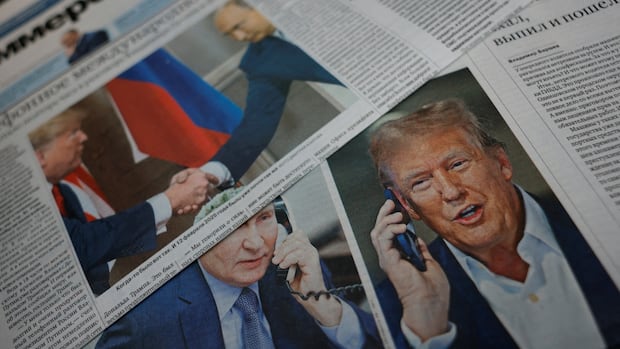
Several U.S. national security agencies have paused their collaborative efforts to counter Russian sabotage, disinformation campaigns, and cyberattacks, easing pressure on Moscow amidst the Trump administration’s push for Russia to end its war in Ukraine. This shift marks a significant departure from the Biden administration’s focus on addressing Russia’s hybrid warfare tactics.

The Biden administration had established working groups involving at least seven national security agencies, collaborating with European allies to disrupt Russian plots targeting both continents. These efforts were initiated in response to intelligence warnings of escalating Russian aggression. However, since the Trump administration took office, much of this work has stalled. Regular meetings between the National Security Council and European counterparts have ceased, and interagency coordination within the U.S., including with the FBI, Department of Homeland Security, and State Department, has also been suspended.

This pause raises concerns among some officials who argue that the Trump administration is downplaying the threat posed by Russia, despite intelligence warnings. This development comes on the heels of other discontinued projects focused on countering Russian influence, such as the FBI’s efforts to combat foreign interference in U.S. elections and the Department of Justice’s team tasked with seizing assets of Russian oligarchs.

While the White House maintains that it coordinates with relevant agencies to address threats to Americans, the suspension of coordinated efforts has raised questions about the extent of ongoing intelligence sharing with European allies and the administration’s overall strategy for countering Russian hybrid warfare. The situation is further complicated by Trump’s evolving policy toward Europe and Ukraine, which has prompted concerns about potential concessions to Russia regarding the ongoing conflict.

Russia’s hybrid warfare tactics encompass a range of activities, from physical sabotage of critical infrastructure to sophisticated disinformation campaigns and cyberattacks. In recent years, Russia has been linked to arson, attempted assassinations, and bomb plots across Europe. These activities, coupled with influence campaigns and cyber operations, aim to destabilize Western nations and undermine support for Ukraine.

The Biden administration’s response to the escalating threat involved increased intelligence sharing with European allies and the establishment of task forces to combat Russian operations. This cooperation led to joint plans for addressing sabotage attacks, including enhanced law enforcement collaboration and proposals for stricter penalties for those involved. However, the Trump administration’s shift in focus has led to a pause in these collaborative efforts, raising questions about the future of transatlantic cooperation in countering Russian hybrid warfare.

The concerns surrounding the suspension of these coordinated efforts are underscored by the potential dangers of overlooking Russia’s hybrid warfare activities. Experts warn that ignoring these threats could embolden Russia and leave the U.S. vulnerable to future attacks. The current ambiguity surrounding the Trump administration’s approach to countering Russian aggression raises critical questions about the nation’s preparedness for this ongoing threat. The lack of clear communication regarding the future direction of these efforts leaves both U.S. agencies and European allies in a state of uncertainty, potentially hampering their ability to effectively address this evolving threat.

Share. Facebook Twitter Pinterest LinkedIn WhatsApp Reddit Tumblr Email

Read More

Analyzing the Proliferation of Disinformation Following the Latest School Shooting.

August 26, 2026

ActionSA Lodges Formal Disinformation Complaint with IEC Against ANC’s Kgoši Maepa.

August 26, 2026

The Threat of Anti-Disinformation Legislation to the Public Square

August 26, 2026
Add A Comment
Leave A Reply Cancel Reply

Our Picks

Analyzing the Proliferation of Disinformation Following the Latest School Shooting.

August 26, 2026

German Embassy Issues Formal Warning to Nigerian Nationals Regarding Unauthorized Visa Agents and Misinformation.

August 26, 2026

Social Media Addiction: Consequences, Risks, and Legal Remedies

August 26, 2026

ActionSA Lodges Formal Disinformation Complaint with IEC Against ANC’s Kgoši Maepa.

August 26, 2026
Stay In Touch
  • Facebook
  • Twitter
  • Pinterest
  • Instagram
  • YouTube
  • Vimeo

Don't Miss

News

Health Experts Offer Evidence-Based Guidance for Navigating Online Nutrition Misinformation

By Press RoomAugust 26, 20260

In an era where dietary advice proliferates across social media platforms, blogs, and podcasts, distinguishing…

The Threat of Anti-Disinformation Legislation to the Public Square

August 26, 2026

NCIC and Faith Leaders Warn of Misinformation Threat Ahead of 2027 Elections

August 26, 2026

  1. Analyze the Request:

    • Original title: “How to spot ethnic disinformation on social media”
    • Task: Rewrite this to 1 title in English in a formal tone.
    • Constraints: Only 1 title, formal tone, must retain the core meaning (identifying/detecting ethnicity-based disinformation/falsehoods on social platforms).
  2. Evaluate the Original: The original is clear but uses “spot” (informal/colloquial for this context) and “ethnic” (slightly broad). “Disinformation” is a good formal term.

  3. Brainstorm Formal Alternatives:

    • “Identifying Ethnic Disinformation on Social Media Platforms” (good, formal, direct).
    • “Detecting Disinformation Targeting Ethnic Groups on Social Networks” (more specific, emphasizes targeting).
    • “A Guide to Identifying Ethnically-Focused Misinformation and Disinformation on Social Media” (too long).
    • “Recognizing Ethnic Disinformation in Social Media Environments” (wordy).
    • “Techniques for Uncovering Ethnic Disinformation on Digital Platforms” (practical).
    • Let’s synthesize. Formal titles usually prefer nouns like “Identifying”, “Detecting”, “Assessing”. The subject is specifically disinformation that is ethnic (based on ethnicity/race).
    • Option A: “Identifying Ethnic Disinformation on Social Media” (Best balance of formality, conciseness, and accuracy).
    • Option B: “Detecting Ethnic Misinformation and Disinformation on Digital Networks” (a bit longer).
    • Option C: “Strategies for Identifying Ethnic Disinformation in Social Media”.
  4. Select the Best Title: Option A is the most natural and formal direct translation. Let’s ensure it doesn’t sound like a casual tutorial. “Identifying” is academic/formal. “Ethnic disinformation” is precise. “Social Media” is standard.

    Let’s refine it slightly to be more impactful: “Detecting Ethnic Disinformation within Social Media Platforms” – a bit wordy. “Identifying Ethnic Disinformation on Social Media” – perfect.

  5. Final Check: Does it meet the criteria? 1 title (yes). English (yes). Formal tone (yes – “Identifying” is formal). Same meaning (yes). Let’s goIdentifying Ethnic Disinformation on Social Media

August 26, 2026
DISA
Facebook X (Twitter) Instagram Pinterest
  • Home
  • Privacy Policy
  • Terms of use
  • Contact
© 2026 DISA. All Rights Reserved.

Type above and press Enter to search. Press Esc to cancel.