


Paragraph 1: The Stark Declaration of a New Media Landscape
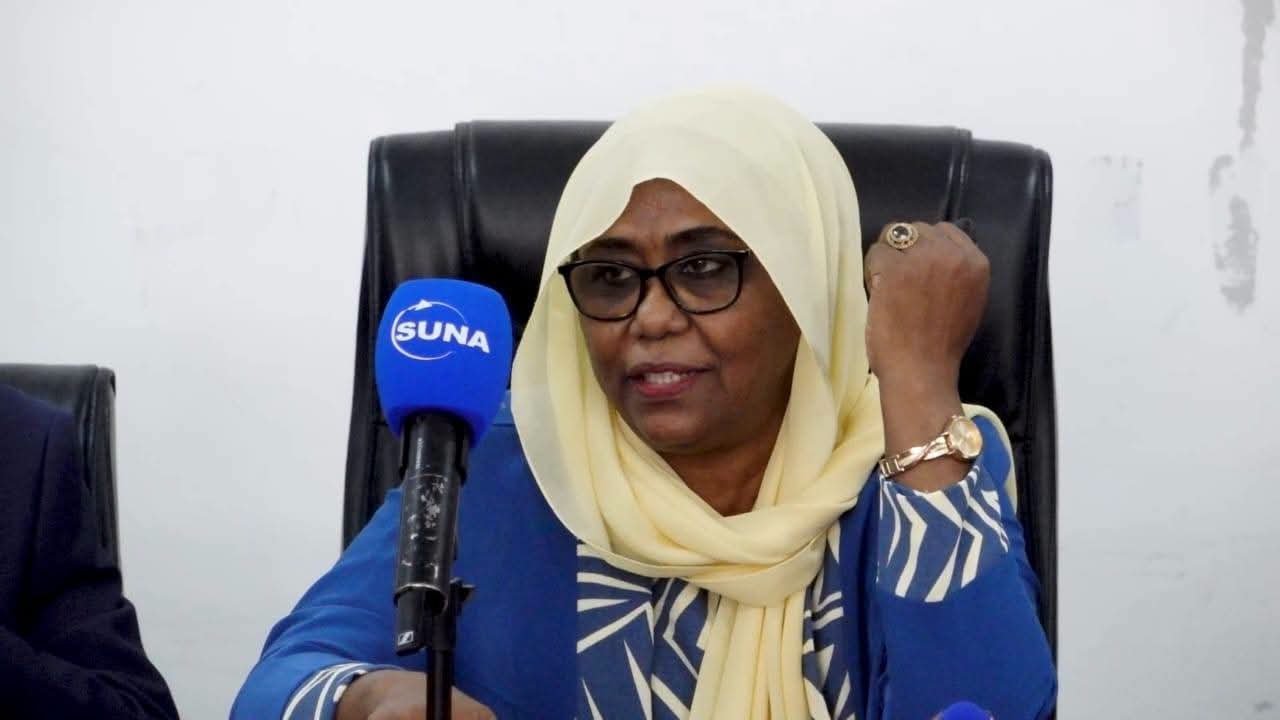
In a stark and unequivocal address delivered to a gathering of media professionals, ministry officials, and international press representatives, the Undersecretary of Information declared that the ongoing war has fundamentally altered the parameters of communication, imposing a “new reality” that demands an urgent and comprehensive reinforcement of professional journalism and a robust, multi-layered strategy to combat the escalating plague of misinformation. The Undersecretary, speaking at a high-level conference convened to assess the state of national media amidst the conflict, emphasized that the battlefield now extends far beyond physical borders into the digital realm, where narratives are weaponized, facts are contested, and the public’s trust hangs in the balance. He acknowledged that the chaos of war invariably births a cacophony of unverified rumors, deliberate fabrications, and state-sponsored propaganda, all of which threaten to destabilize society from within, even as external military threats continue to loom large. This unprecedented convergence of kinetic warfare and information warfare, he argued, places an almost existential burden upon the shoulders of professional journalists, who must now operate as the last line of defense against a tide of cognitive chaos. The official’s comments come at a critical juncture, as recent internal reports have indicated a sharp increase in the dissemination of fake news designed to incite sectarian tensions and undermine public morale, prompting the Ministry to reconsider its strategic approach to media regulation and press freedom. The Undersecretary stressed that the old paradigms of journalism—reactive, passive, and often detached—are no longer viable; instead, what is required is a proactive, investigative, and deeply ethical profession capable of cutting through the noise to deliver verifiable truth to a traumatized and anxious citizenry. He reiterated that the state recognizes the perils of censorship and control, but equally recognizes that the license to practice journalism comes with the sacred duty of upholding accuracy, balance, and humanity, particularly when national survival is at stake. The stark declaration serves as both a warning and a rallying call, framing the current crisis not merely as a military challenge but as a profound test of the nation’s informational integrity and democratic resilience.
Paragraph 2: The Anatomy of the “New Reality” and the Cognitive Battlefield
Delving deeper into the specifics of this imposed reality, the Undersecretary painted a grim picture of the contemporary media ecosystem, which he described as a “cognitive battlefield” where adversarial actors deploy sophisticated tools to manipulate public perception and erode the very fabric of social cohesion. Unlike traditional conflicts where control of territory and resources was paramount, the current war is distinguished by an intense struggle for the control of minds, leveraging algorithms, artificial intelligence, and deepfake technology to manufacture consensus and sow discord. He observed that the proliferation of smartphones and social media platforms has democratized information creation, but this democratization has come at a steep price: the dilution of editorial oversight and the rise of anonymous users who can broadcast viral falsehoods with impunity, often reaching millions before any corrective action can be taken. This new reality is characterized by the speed of dissemination, which far outpaces the slow, meticulous process of fact-checking and verification, creating a dangerous imbalance where lies travel halfway around the world while the truth is still lacing up its boots. Furthermore, the Undersecretary highlighted the insidious nature of hybrid warfare, where foreign intelligence agencies and non-state actors collaborate to craft targeted disinformation campaigns aimed at specific demographics, exploiting pre-existing ethnic, religious, and political cleavages to incite internal conflict and delegitimize the national government. The psychological toll on the civilian population is immense, as they are bombarded with contradictory narratives that induce confusion, apathy, and fatalism, making them susceptible to radicalization and despair. In this environment, the professional journalist is no longer simply a narrator of events but a critical navigator, tasked with contextualizing complex geopolitical machinations while simultaneously debunking the viral half-truths that flood newsfeeds. The Undersecretary specifically called out the use of information as a psychological warfare tactic, citing examples where manipulated images of battlefield losses were circulated to demoralize troops and provoke panic among civilians, a tactic that requires a coordinated response from both state security apparatuses and independent newsrooms. He argued that failing to adapt to this new reality—by clinging to outdated notions of detached neutrality or by ignoring the digital sphere—would result in a catastrophic loss of public confidence and leave the nation defenseless against cognitive subversion.
Paragraph 3: The Indispensable Role of Professional Journalism in Times of Crisis
Central to the Undersecretary’s address was a passionate defense of professional journalism as the indispensable bulwark against tyranny and chaos. He articulated that in a time when misinformation undermines institutional credibility, the disciplined practice of journalism—grounded in the principles of objectivity, source verification, and ethical storytelling—becomes a vital public good, serving as the critical infrastructure for a functioning democracy. Professional journalists, he argued, possess the unique capacity to humanize the horrors of war, providing a voice to the voiceless and documenting the atrocities and resilience of ordinary citizens, which in turn galvanizes international support and holds power to account. He stressed that while artificial intelligence and user-generated content can provide raw data, they cannot replace the contextual intelligence, moral judgment, and nuanced perspective that a seasoned reporter brings to the table, particularly when navigating complex narratives around displacement, casualty figures, and diplomatic negotiations. The Undersecretary emphasized the need for specialized training in conflict-sensitive journalism, advocating for a curriculum that equips reporters with the skills to handle traumatic interviews, verify geolocation data, and protect their sources in high-risk environments without compromising on safety or integrity. He also underscored the necessity of maintaining editorial independence, insisting that professional journalism must remain free from governmental bullying and partisan capture, for its credibility rests entirely on its perceived impartiality and commitment to the truth, regardless of whose interests it may displease. Addressing the financial precarity of the industry, he conceded that the economic survival of traditional newsrooms is under threat from the fragmentation of advertising revenue, but asserted that the state must not subsidize propaganda but rather create a sustainable ecosystem that rewards investigative depth over sensationalist clicks. He praised the heroic efforts of frontline journalists who continue to report from besieged areas despite enormous risk, acknowledging that their sacrifices have kept the nation informed and connected to global empathy. Ultimately, he posited that without a robust professional press, the “new reality” of war would descend into an Orwellian fog where citizens cannot distinguish friend from foe, making informed public debate impossible and paving the way for authoritarian consolidation.
Paragraph 4: The Escalating Scourge of Misinformation and Disinformation
The Undersecretary pivoted to a scathing indictment of the misinformation industry, detailing how the war has catalyzed a dangerous infodemic that thrives on fear, uncertainty, and doubt. He distinguished between misinformation (unintentional falsehoods) and disinformation (deliberate manipulation), noting that while both are corrosive, the latter represents a coordinated attack on national security, often orchestrated by hostile state actors seeking to destabilize the region without firing a single traditional bullet. These operatives, he stated, exploit the algorithms of major tech companies to amplify inflammatory content, frequently using bots and troll farms located thousands of miles away to push narratives that foment panic, erode trust in medical institutions, and incite violence against minority groups. The result is a fragmented public sphere where citizens retreat into ideological echo chambers, consuming only the content that confirms their pre-existing biases and rendering them impervious to factual correction or reasoned debate. He expressed particular alarm over the impact of misinformation on the humanitarian crisis, noting that false reports regarding the location of safe corridors, the availability of aid, or the status of ceasefire agreements have directly led to civilian casualties and hindered the delivery of life-saving assistance. Furthermore, he mentioned the psychological warfare waged against refugees and internally displaced persons, where rumors spread about their historical allegiances or future intentions, sowing distrust within host communities and complicating already dire relief efforts. To combat this, the Undersecretary asserted that professional journalism must adopt a rigorous methodological approach—prioritizing primary sources, collaborating with OSINT (Open Source Intelligence) analysts, and maintaining transparent correction policies—to rebuild a shared factual baseline that can bridge polarized audiences. He warned that the sheer volume of digital noise risks desensitizing the public, leading to a fatalistic acceptance of falsehoods, which is precisely the outcome desired by the nation’s adversaries.
Paragraph 5: Strategic Proposals to Counteract Misinformation and Fortify the Press
Moving from diagnosis to prescription, the Undersecretary unveiled a comprehensive strategic framework designed to elevate professional journalism and systematically dismantle the infrastructure of misinformation operating within the country and across its borders. Central to this new strategy is the establishment of an independent national fact-checking and media-monitoring body, comprised of academics, senior journalists, and civil society representatives, tasked with rapidly identifying viral falsehoods, exposing the networks behind them, and issuing authoritative public clarifications that can be syndicated across all broadcasters and digital outlets. He proposed a significant overhaul of media laws, balancing the imperative to protect national security with the equally critical need to shield journalists from retaliation for exposing state abuses, thereby reinforcing the rule of law and impartial justice as the ultimate arbiters of content disputes rather than political maneuvering. Moreover, the Undersecretary called for a massive investment in media literacy programs, targeting schools, universities, and community centers, to equip citizens with the critical thinking skills necessary to deconstruct fake news, evaluate sources, and recognize the hallmarks of propaganda, effectively building a resilient citizenry immune to cognitive manipulation. He urged for the establishment of a national fact-checking consortium, staffed by independent verification experts from across the political spectrum, that would serve as a trusted arbiter of contested claims, publishing real-time debunking results on a centralized platform. Internationally, he appealed for stronger bilateral and multilateral agreements to track and sanction foreign entities that engage in electronic warfare against national media infrastructures, calling for secure channels of communication between allied nations to share threat intelligence on hybrid attacks. He also touched upon the need to foster media literacy from the primary education level upward, integrating critical thinking skills into the national curriculum so that future generations inherently question the veracity of online content rather than passively consuming it. This comprehensive approach, the Undersecretary maintained, must be bipartisan and inclusive, requiring the collaboration of the government, civil society, tech giants, and the media itself to forge a resilient information defense system.
Paragraph 5: Forging a Strategic Framework: The Path Forward
To operationalize this vision, the Undersecretary outlined a comprehensive framework of actionable recommendations, urging the swift establishment of an independent national media council that would serve as a regulatory body for online content while simultaneously championing self-regulation and ethical charters for newsrooms. This council, he proposed, would be mandated to create a rapid-response mechanism for identifying and correcting viral misinformation, working in tandem with a newly proposed National Fact-Checking Agency equipped with digital forensics tools to trace the origins of forged files and manipulated footage. He also advocated for significant investment in media literacy programs targeting youth, schools, and community centers, arguing that a resilient citizenry capable of critically evaluating information is the ultimate defense against propaganda—a fundamental shift from reactive censorship to proactive education. Furthermore, the Undersecretary called for enhanced legal frameworks that strike a delicate balance between punitive action against malicious actors who spread harmful disinformation and the absolute protection of legitimate press freedoms, warning against overreach that could silence dissent under the guise of national security. He announced the imminent establishment of a joint task force comprising representatives from the Ministry of Information, the judiciary, and civil society, tasked with monitoring digital propaganda networks and coordinating rapid response mechanisms to debunk viral falsehoods before they can incite panic or violence. International collaboration was also flagged as a critical component, urging neighboring states and global bodies to share intelligence on cross-border disinformation campaigns and to hold tech companies accountable for platforming malicious content. He closed this section by reminding the audience that misinformation is a vector of chaos, and that countering it requires the collective vigilance of every citizen, not just a handful of professionals.
Paragraph 5: Strategic Frameworks and Concrete Measures for Combating Misinformation
Having diagnosed the problem, the Undersecretary outlined a comprehensive multi-pronged strategy aimed at fortifying the media landscape against the twin threats of disinformation and declining professional standards. He called for an immediate legal and regulatory overhaul that protects press freedom while criminalizing the deliberate manufacture and dissemination of harmful falsehoods, particularly those that endanger public safety or incite violence, ensuring that such laws cannot be weaponized against legitimate critical reporting. He proposed the establishment of a National Media Integrity Commission, composed of journalists, academics, and civil society representatives, tasked with monitoring the media ecosystem, issuing rapid corrections, and coordinating fact-checking initiatives that can effectively counter viral falsehoods in real time. Recognizing the technological sophistication of modern disinformation, the Undersecretary urged for intensified collaboration with international partners and tech conglomerates, demanding greater transparency in algorithmic design and facilitating cross-border cooperation to dismantle foreign troll factories and bot networks that operate with impunity. Education emerged as a cornerstone of his policy vision, as he called for the integration of comprehensive media literacy programs into the national school curriculum and public awareness campaigns aimed at empowering citizens to critically evaluate the information they consume, turning them from passive recipients into active overseers of truth. For journalists themselves, he outlined a roadmap for professional development, including specialized training in digital security, open-source intelligence verification, psychological first aid, and trauma-informed reporting, which are essential for surviving the pressures of the conflict environment. Furthermore, he announced an increase in funding for local news outlets and freelance journalists working in high-risk zones, providing crucial financial support, insurance, and safety training to ensure that the crucial work of documentation continues, even as traditional funding streams collapse. The Undersecretary emphasized that this fight is not merely a governmental responsibility but a multi-stakeholder endeavor, requiring the active participation of every citizen, who must be encouraged to report suspicious content rather than passively share it.
Paragraph 6: Conclusion – The Enduring Contest Between Truth and Tyranny
In conclusion, the Undersecretary of Information delivered a powerful and sobering call to action, framing the struggle against misinformation as a existential battle for the very soul of the nation, one that will determine whether it emerges from the war united or fractured by internal chaos sown by its enemies. He rejected the pessimism that suggests truth is unattainable in the digital age, insisting instead that the resilience of professional journalism—combined with vigilant citizenship and robust institutional support—offers a definitive path out of the epistemological crisis. He reminded the assembled media professionals that their duty extends beyond mere reportage; they are the architects of collective memoryholical record of this tragic and transformative period in the nation’s history. The Undersecretary closed his address with a potent metaphor, likening the war on misinformation to the defense of a physical frontier, arguing that the journalist’s pen and the editor’s judgment are weapons no less vital than those of the soldiers on the frontlines. He called for a “grand alliance of truth-tellers” uniting state media, private broadcasters, online platforms, and grassroots citizen journalists under a common ethical banner to ensure that hope does not get buried under the debris of digital pollution. While acknowledging the immense challenges ahead, he expressed cautious optimism, believing that the resilience demonstrated by the press in the face of persecution is a testament to the unyielding human spirit. Ultimately, the Undersecretary’s message was unambiguous: as the physical bombs fall, the informational infrastructure must remain erect, for the future of the nation will not only be decided on the battlefield, but in the minds and hearts of its people, and that future hinges decisively on the triumph of verifiable truth over fabricated chaos. His office has committed to an aggressive timeline to implement these measures, understanding that delay compounds vulnerability.
Paragraph 6: Conclusion and the Indelible Link Between Truth and Sovereignty
In his concluding remarks, the Undersecretary returned to the foundational principle that information is a pillar of national sovereignty, asserting that a nation that loses the battle for factual reality forfeits its capacity to chart a cohesive path toward peace and reconstruction. He warned that the current “infodemic” is not a temporary aberration but a permanent feature of the geopolitical landscape, requiring perpetual vigilance rather than one-off campaigns. The war has undeniably imposed a new reality, one where the distinction between security and information is blurred, and where a single fabricated story can destabilize a region faster than any military deployment. He called upon journalists to embrace their role as guardians of memory, ensuring that the sacrifices of the conflict are accurately documented for future generations, preventing the erasure or distortion of historical events by propaganda and revisionism. Furthermore, he emphasized that combating misinformation is not solely the responsibility of the state or the media; it is a collective civic duty, urging ordinary citizens to engage in constructive dialogue and to report suspicious content, effectively turning every household into a cell of digital defense. Looking ahead, he envisioned a post-conflict society where a mature and resilient informational ecosystem would serve as the bedrock of democratic governance, fostering reconciliation by allowing all perspectives to be aired honestly and respectfully. The Undersecretary’s speech was met with widespread approval from attendees, who viewed the directives as a clear-eyed approach to a complex, existential threat. As the nation continues to battle on multiple fronts, the commitment to professional journalism stands as a beacon of light in the fog of war, adhering to the simple yet profound dictum that without truth, there can be no justice, and without justice, there can be no sustainable peace. The message is clear: the war for information is a war for the future, and only through rigorous, ethical, and fearless journalism can that future be secured.