


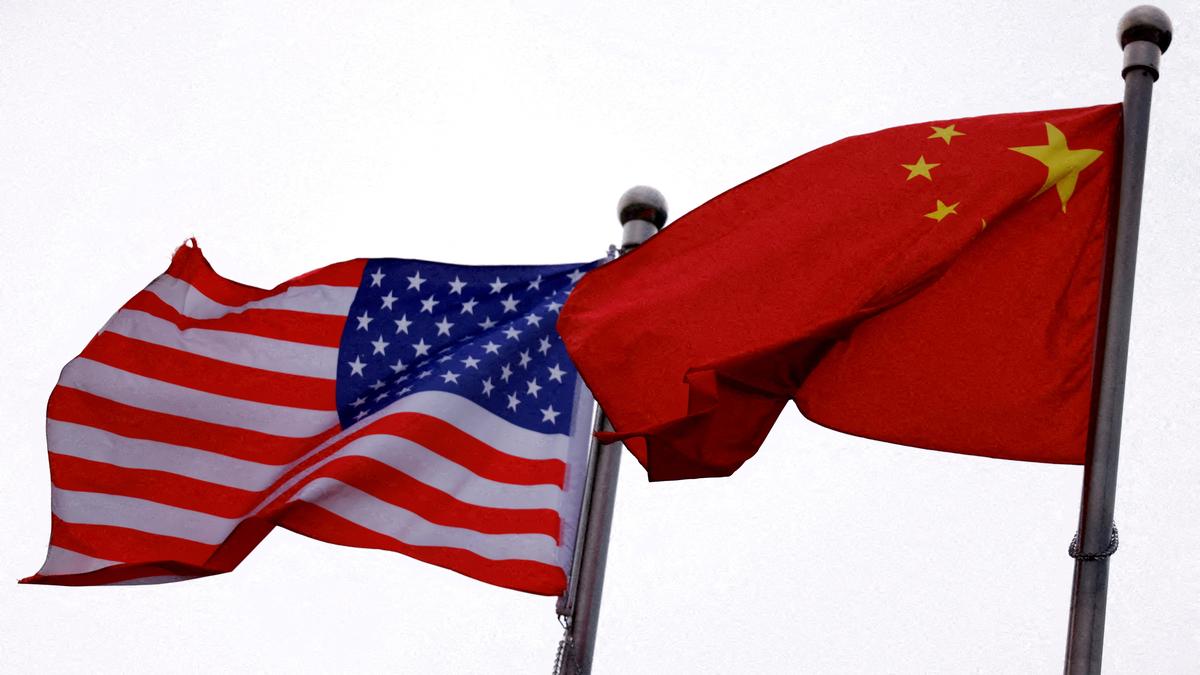
Trade Truce Undermined by Deluge of Disinformation
A temporary ceasefire in the US-China trade war, marked by a 90-day tariff pause, is being overshadowed by a surge of fabricated narratives and online propaganda emanating primarily from Chinese social media platforms. These deceptive campaigns aim to portray American consumers as panicking over the trade tensions, rushing to buy Chinese products, and suffering economic hardship, thereby bolstering China’s negotiating stance and fostering anti-American sentiment. This wave of disinformation threatens to undermine the fragile truce and further complicate the already strained relationship between the world’s two largest economies.
One particularly viral video, widely shared on platforms like Douyin, Weibo, and TikTok, falsely depicts American shoppers frantically purchasing Chinese-made televisions. This clip is actually recycled footage of a 2018 Black Friday sale, deceptively presented as a recent reaction to trade war anxieties. Chinese state media, including China Daily, amplified this misinformation with sensationalized headlines, further fueling the deceptive narrative. Other fabricated stories describe Americans flocking to China for shopping trips and desperately stockpiling goods, painting a distorted picture of economic turmoil in the US.
Experts believe these disinformation campaigns are orchestrated or at least encouraged by the Chinese government to manipulate public opinion and project an image of strength in the trade negotiations. By presenting an exaggerated picture of American vulnerability, the narratives attempt to legitimize China’s position and pressure the US for concessions. This strategic use of social media allows the Chinese government to disseminate propaganda and shape the narrative effectively.
The impact of this misinformation extends beyond China’s borders, causing confusion and concern among Chinese citizens living abroad and those considering travel or study in the US. Personal accounts from Chinese individuals in the US reveal that they are being bombarded with questions about food shortages, safety concerns, and economic instability, fueled by the false narratives propagated online. These anxieties highlight the real-world consequences of misinformation, impacting individual perceptions and potentially influencing their decisions.
Furthermore, an organized anti-US campaign on X (formerly Twitter) has been uncovered, utilizing thousands of bot accounts to target international luxury brands. These accounts promote the false claim that brands like Gucci, Chanel, and Amazon are mislabeling Chinese-made products as European-made, blaming Trump’s trade policies for this alleged deceptive practice. This campaign encourages consumers to boycott these brands and buy directly from China, demonstrating how disinformation can be weaponized against specific companies and industries.
Separate TikTok videos also circulated false claims that luxury brands secretly manufacture their goods in China, exploiting trade tensions to promote counterfeit luxury goods. This multi-pronged disinformation effort leverages the existing trade war anxieties to push specific agendas, including promoting counterfeit goods and fostering anti-American sentiment. Experts predict that these disinformation campaigns will persist and adapt as trade negotiations continue, evolving to further support China’s negotiating position and potentially hindering meaningful progress towards a resolution.
The prevalence of misinformation surrounding the US-China trade truce highlights the growing challenge of navigating an increasingly complex information landscape. The deliberate spread of false narratives, amplified by social media and state-sponsored outlets, poses a significant threat to informed public discourse and international relations. Combating this disinformation requires a multi-faceted approach, including improved media literacy, fact-checking initiatives, and greater transparency from social media platforms to identify and mitigate the spread of manipulative content. As the trade war continues, discerning fact from fiction will be crucial to understanding the true dynamics at play and fostering a more productive dialogue between the two nations.