


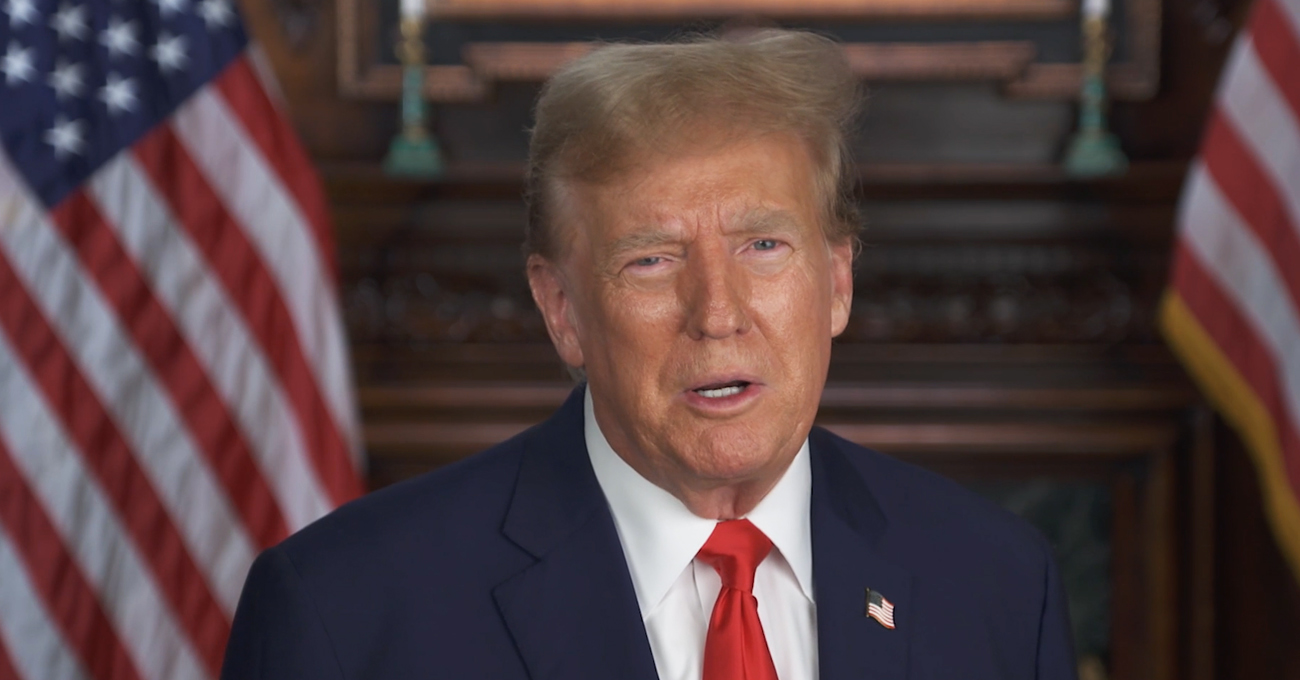
Trump’s Misinformation on New Orleans Attack Sparks Criticism
Former CNN anchor Jim Sciutto sharply criticized former President Donald Trump for falsely linking a New Year’s Day terror attack in New Orleans to migrant crime. The attack, which tragically resulted in 14 fatalities and numerous injuries, was perpetrated by an American-born Army veteran. Trump’s assertion stemmed from an inaccurate initial report by Fox News, which erroneously claimed the attacker had crossed the US-Mexico border two days prior. Sciutto emphasized the danger of "information bubbles and persistence of disinformation," particularly given Trump’s significant influence and reliance on Fox News. He cited media reporter Brian Stelter’s coverage, which detailed how the false narrative rapidly spread through right-wing media and was amplified by Trump himself.
Stelter’s reporting revealed how Trump, just minutes after the Fox News segment aired, released a statement referencing "criminals coming in" from other countries. While not explicitly mentioning Fox News, Trump’s statement aligned with the network’s erroneous reporting and fueled the misconception that the attacker was a foreign national. This misinformation quickly gained traction within Trump’s circle, with figures like Donald Trump Jr. and Rep. Marjorie Taylor Greene echoing the false claim on social media platforms. Their posts specifically labeled the attacker a “migrant terrorist” and called for the border to be closed, furthering the spread of the false narrative and inflaming anti-immigrant sentiment.
Trump continued to propagate the misinformation even after the attacker’s identity was confirmed. He doubled down on his rhetoric on his Truth Social platform, linking the attack to Biden’s border policies and suggesting it was a consequence of "Radical Islamic Terrorism." This persistence in spreading false information, even after being corrected, underscores the dangers posed by misinformation in an increasingly polarized political climate. Trump’s actions served to exacerbate existing anxieties about immigration and national security by falsely associating the tragic event with his ongoing political narrative about border security.
The incident highlighted how quickly unsubstantiated reports can be weaponized for political gain, particularly when amplified by influential figures. House Speaker Mike Johnson also linked the attack to the “wide open border,” reinforcing the false narrative during an interview on Fox News. This demonstrates how misinformation can seep into mainstream political discourse and shape public perception, even when contradicted by official reports and verified facts. The incident serves as a stark reminder of the critical need for responsible media consumption and fact-checking, particularly in an era where misinformation can rapidly proliferate online.
The New Orleans attack and the subsequent spread of misinformation underscored the dangers of relying on biased or unreliable news sources. Trump’s quick embrace and amplification of the false narrative, even after being corrected, highlights the perils of operating within an "information bubble." This incident raises serious concerns about the vulnerability of the public to misinformation campaigns, particularly when such campaigns are amplified by political leaders and influential media outlets.
The incident serves as a case study in the corrosive effects of disinformation on public discourse and political debate. The rapid spread of the false narrative linking the attack to immigration, and its persistence even after being debunked, demonstrates the power of misinformation to shape public perception and influence political narratives. The incident underscores the critical need for media literacy and responsible information sharing, especially in a hyper-connected world where misinformation can quickly go viral. It also highlights the responsibility of political leaders and media outlets to ensure the accuracy of their reporting and to avoid perpetuating false narratives, particularly on sensitive issues like national security and immigration.