


Media Literacy for a Good Life: Finland’s Visionary Policy and the Challenges Ahead
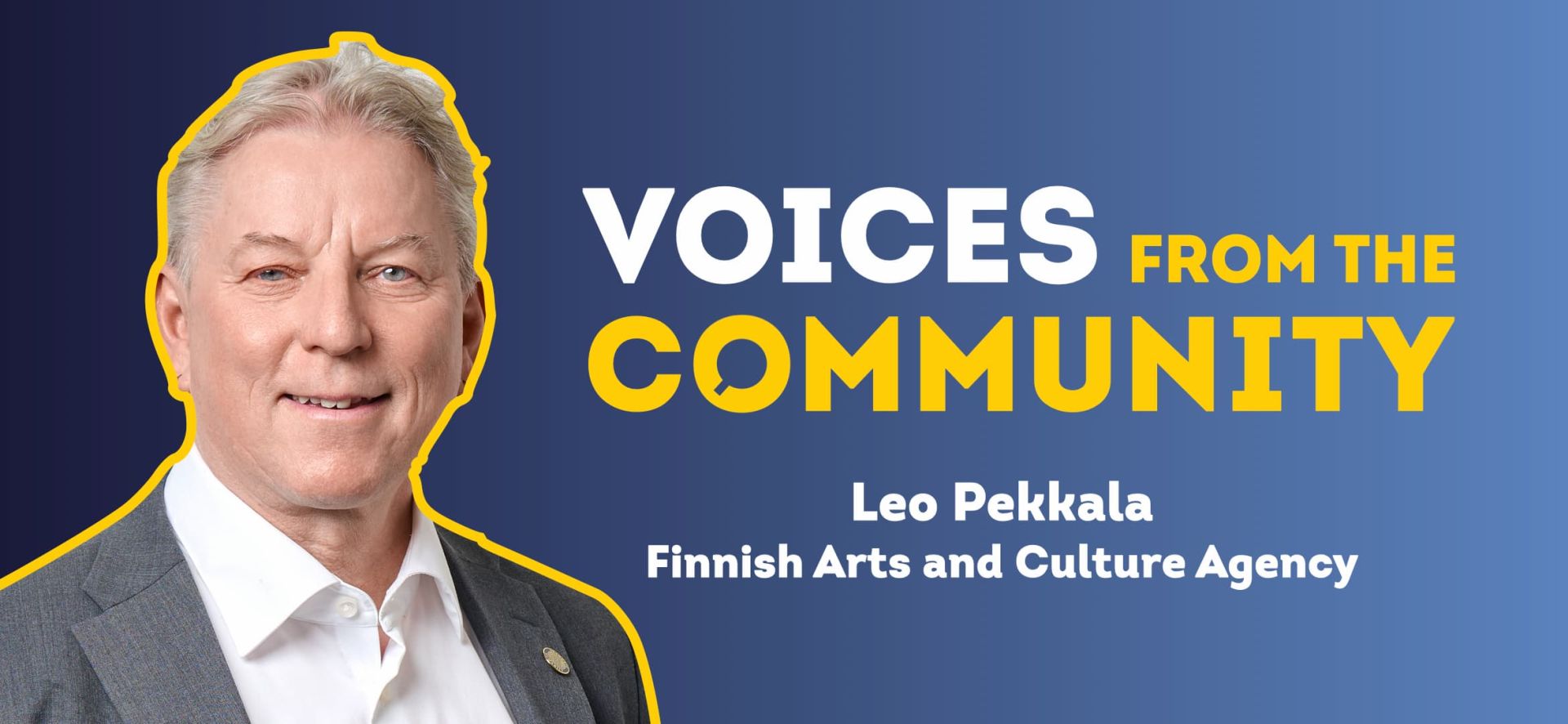
In an era of information overload, digital disruption and democratic backsliding, Finland has positioned itself as a global pioneer in media education. At the heart of its national policy is a striking and deceptively simple vision: media education promotes a good life. For Dr Leo Pekkala, Director of the Media Education and Age Ratings Department at the Finnish Arts and Culture Agency, this vision was the essential starting point when the government office tasked with promoting media literacy was established in 2012. He recalls that the founding team asked themselves an obvious but profound question: “Then what? What would change if everyone in Finland became media literate? Why are we doing what we are doing?” The answer, he insists, is that media literacy is not the end of the story or the ultimate goal. Rather, it is a means to something much larger: the promotion of a peaceful society with a functioning democracy and a stable economy. In other words, media education is not an isolated technical skill or a defensive measure against online harms alone; it is a foundational investment in the kind of society we want to live in. This framing, beautifully captured in the policy’s vision graphic, elevates media literacy from a niche pedagogical concern to a pillar of national well-being. Pekkala’s emphasis on the “good life” is a deliberate philosophical stance, reminding policymakers and citizens alike that media education is ultimately about human flourishing, social trust and collective resilience. Without that deeper purpose, the work of teaching critical thinking, source evaluation and digital citizenship would lose its moral compass. Finland’s approach therefore begins not with tools or curriculums, but with a clear-eyed conversation about what kind of future we wish to build and how media literacy helps us get there.
Yet if media literacy is the destination, media education is the disciplined path that gets us there. One of the most important contributions of Finland’s policy, Pekkala argues, is its careful distinction between these two concepts. Media literacy does not develop spontaneously, he warns, nor does it emerge as a natural by-product of growing up in a digital world. It requires sustained and systematic media education efforts. This distinction matters because it pushes back against the common but dangerous assumption that young people, as “digital natives,” will simply acquire the skills they need on their own. They will not. Without intentional policies, strategies and systemic changes, media literacy will remain a privilege of the few rather than a right for all. Pekkala notes that all too often, people talk about media literacy as if it could happen overnight, as if a single workshop, a single viral fact-check or a single school assembly could inoculate citizens against misinformation. The reality is far more demanding. Media education demands trained educators, well-designed curricula and long-term institutional commitment. It also requires an entire professional ecosystem. People need support in developing their media literacy skills, and this is where educators and media literacy experts come into the picture. Pekkala is clear that we cannot rely on good intentions alone; we must ensure that more media literacy experts are trained, and that their expertise is valued and deployed across schools, libraries, cultural institutions and public administration. The distinction between media literacy and media education is not semantics; it is the difference between wishing for a desirable outcome and building the conditions that make it possible.
Finland also makes a bold and highly consequential decision to place media education within the framework of comprehensive security and democracy. This is not a rhetorical flourish. Pekkala acknowledges that comprehensive security and the strengthening of democracy have been prominent topics for quite some time, and the reasons are fairly clear: democracy as a system is being continuously challenged, and societies are becoming increasingly polarised. In this context, media literacy has often been invoked as a kind of vaccine against disinformation, a tool for defending Western values against foreign interference. But Pekkala sounds a cautionary note. He warns that this framing should not lead to the militarisation of media education and media literacy. “Media literacy is not a weapon. It is something we all need and something we must all nurture,” he insists. This is a crucial corrective. Too often, media literacy is reduced to a defensive tactic, a way to identify enemies and block hostile narratives. But such a zero-sum approach risks undermining the very democratic values it claims to protect. Media education, in Finland’s vision, is not about arming citizens to fight a culture war; it is about equipping them to participate fully, critically and empathetically in a shared civic space. It is a lifelong, universal resource that strengthens social cohesion, encourages pluralism and supports the resilience of democratic institutions. By embedding media education in comprehensive security, Finland acknowledges that information resilience is just as important as military or economic security. But it refuses to turn that resilience into suspicion and fear. Instead, it calls for a nurturing, community-based approach where every citizen has the opportunity to understand, evaluate and contribute to the information environment. In practice, this means that media education strategies are coordinated with emergency preparedness, crisis communication and democratic participation—but always through an ethos of empowerment rather than militarism.
One of the most delicate challenges in contemporary media policy is the tension between restricting children’s social media use and promoting media literacy. Pekkala is refreshingly thoughtful on this issue. He stresses that policymakers must be very careful when imposing restrictions, because too many restrictions, or restrictions that are too strict, can unnecessarily limit the rights of children and young people. In his view, if we truly believe in the power of education—and media education in particular—we need more guidance than restrictions. This does not mean abandoning all regulatory measures; rather, it means recalibrating the balance between protection and participation. The EU’s proposed Kids Act, which has generated considerable debate across Europe, offers a useful reference point. Pekkala believes it sets a good objective by placing greater responsibility on platforms. His message to big tech companies is unambiguous: platforms should be made safer, and ensuring their safety should be their responsibility. Too often, the burden of navigating risky online environments falls on individual children and their families, while the corporations that design and monetise these environments escape accountability. Finland’s approach suggests we need both: strong, structural safeguards that reduce the dangers designed into social media products, and robust media education that empowers children to exercise their rights and agency online. Guidance is not about telling young people what to do; it is about creating the conditions in which they can make informed, autonomous choices. Restrictions may have a role to play, but they are not a substitute for education. In fact, excessive restrictions can be counterproductive, depriving young people of the very experiences and peer interactions they need to develop social skills and critical judgement. The ideal policy, in Pekkala’s view, is one that obligates platforms to design for safety while simultaneously investing in educational environments where young people can develop the resilience and discernment they need to thrive. This dual strategy avoids both the naivety of leaving children unprotected and the authoritarianism of locking everyone out.
Another striking admission in Finland’s policy is that people in lower socioeconomic positions have not been reached equally by media education efforts. Dr Pekkala does not shy away from this failure, acknowledging that reaching out to people who, for various reasons, find themselves on the margins of society is a genuine challenge. Inclusive media literacy work requires more resources, particularly experts who can take into account different age groups, language groups, identities, cultural and socioeconomic backgrounds, as well as challenges related to learning and different life circumstances. Media literacy cannot be a one-size-fits-all intervention; it must be adapted to the realities of people’s lives. This requires more staff and more funding, and Pekkala is blunt about the cost: “This naturally requires more staff, and that costs money.” But he is equally clear about the price of inaction: “However, failing to do so will inevitably be even more expensive in the long run.” He speaks from a deeply pragmatic as well as ethical perspective. When vulnerable communities are left without the skills to navigate a complex information landscape, they become more susceptible to scams, extremism, health misinformation and political manipulation. The social and economic costs of these harms—on public health, social trust, democratic participation and law enforcement—are enormous. Media education is therefore not merely a moral obligation but a smart, forward-looking investment in societal stability. To truly reach those on the margins, Pekkala argues, we need to embed media literacy work into social services, adult education, employment programs and community organizations. We need professionals who can speak the language of different groups and understand their unique needs. This is painstaking, resource-intensive work, but it is the only way to ensure that media literacy does not become yet another divide between the educated and the uneducated, the connected and the excluded. Finland’s admission of this challenge is itself a sign of maturity, and it points to a global lesson: equitable media education requires deliberate, well-funded strategies that prioritise those who have been left behind.
Finally, Dr Pekkala candidly addresses an existential concern for Finland’s media education ecosystem: the disappearance of media education as a major subject at Finnish universities. At a time when media literacy is increasingly important across all sectors of society and features in practically every government strategy, universities have failed to play their part. The shock he describes is palpable. For now, Finland still has the luxury of working with experts who studied media education at university level, but this will change in the future, and there is still no clear vision of how to address the situation. In Finland, universities enjoy academic freedom to decide what subjects to research and teach, so the government cannot simply mandate new programs. Fortunately, discussions are now under way on how to improve the situation. This is a crucial reminder that even the world’s most admired media education system is fragile. Without a dedicated pipeline of university-trained researchers, teacher educators and specialists, the entire enterprise will wither. What can other countries learn from Finland’s approach? Pekkala offers a simple but powerful message: where there is a will, there is a way to promote media literacy. But it requires patience and perseverance. There are no quick fixes, no magical technologies and no one-off campaigns that will deliver lasting results. How best to achieve media literacy is something each country must work out in its own context, because no single model can be transplanted wholesale. As for Finland, the country is moving forward, but there remains a great deal of work to do and plenty of uncharted waters to navigate before reaching everyone and supporting them in developing their media literacy. The journey is far from over. Yet by committing to a vision of the good life, by distinguishing literacy from education, by anchoring media education in democratic resilience, by balancing guidance with restriction, by prioritising the marginalised and by wrestling with the academic pipeline, Finland continues to offer a vital, honest and inspirational example for the world. The road ahead is difficult, but the destination is worth every effort: a peaceful, democratic and stable society where every citizen can live a good life.