


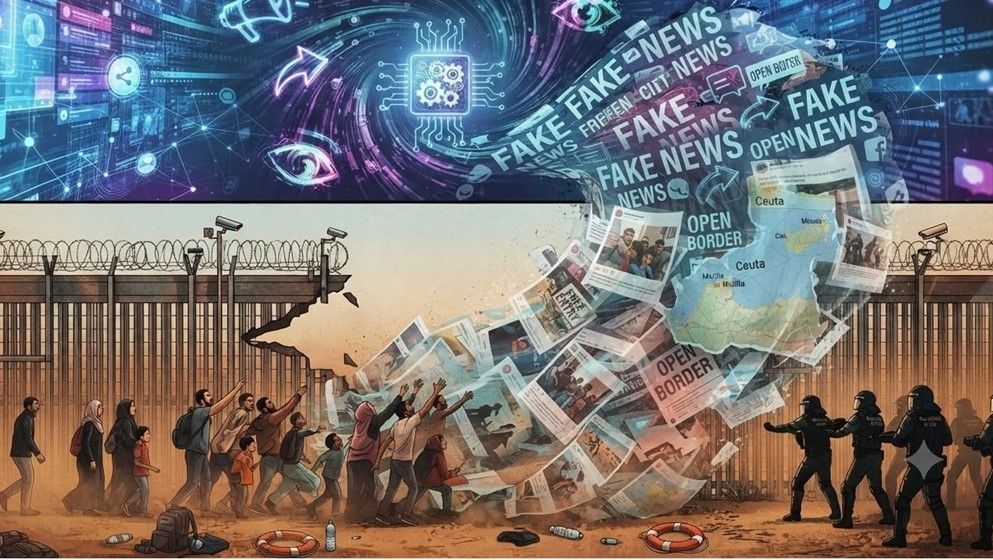
The recent humanitarian crisis at the borders of Ceuta and Melilla serves as a harrowing case study of how digital misinformation can translate into real-world tragedy. The chaos began when fabricated claims, disseminated rapidly through social media, falsely asserted that the Spanish government had opened its borders to migrants. Within hours, these viral deceptions triggered a mass migration event, drawing tens of thousands of people to the border, including vulnerable children. The incident resulted in significant loss of life and a profound political crisis, ultimately revealing how human trafficking networks successfully weaponized social media algorithms to bypass border security and exploit desperate individuals for their own gain.
This disaster was far from an isolated incident, highlighting a systemic failure in the content moderation policies of global digital platforms. The rapid amplification of false narratives, left unchecked by automated systems, transformed a misinterpreted court ruling into a catalyst for mass movement. This event mirrors broader global trends where algorithms prioritize high-engagement, inflammatory content over verified reporting. From fueling religious violence in India and various African nations to manipulating electoral outcomes and fostering xenophobic populism across Europe, the digital landscape has become a primary driver of instability, often built upon narratives of events that never actually occurred.
The current atmosphere of digital discourse is further complicated by the ideological shifts within the leadership of platforms like X, where the prioritization of “unfiltered” speech has emboldened the spread of hate speech and disinformation. While some legal scholars and commentators argue that the solution to toxic rhetoric is simply “more speech”—assuming that the public will naturally refute and sideline falsehoods—reality suggests otherwise. Recent studies indicate a deeply concerning trend: many users are not only aware that the content they consume is fake but are actively choosing to promote it anyway, finding the sensationalism of falsehoods more compelling than the nuance of verified facts.
The drive toward digital misinformation is underpinned by a modern obsession with fame and audience building. In an era where followers are the currency of status, fabricated stories have become the most efficient vehicle for gaining rapid, widespread attention. However, this is not merely a matter of individual moral failing; it is a structural byproduct of the algorithms themselves. These systems are designed to detect and boost content that generates the highest levels of interaction, effectively curating a reality where misinformation is rewarded with visibility while accurate information is often buried. The platforms, therefore, act not as passive observers, but as active orchestrators of the digital experience.
Ultimately, the Ceuta and Melilla tragedy underscores that misinformation is no longer just a digital nuisance; it is a geopolitical threat capable of challenging national sovereignty and destabilizing border integrity. The ability of a few well-placed, algorithmically boosted lies to bypass physical defenses suggests that the traditional tools of statecraft are losing their efficacy in the face of decentralized, viral deception. The impact of these platforms on public opinion and social cohesion is so profound that the very foundations of democratic governance are being tested by the reach of Silicon Valley’s decision-making power.
As the international community grapples with these challenges, the necessity for decisive regulatory action has never been more urgent. Governments and international organizations are currently at a crossroads: they must either establish robust frameworks to govern the ethical use of algorithms and enforce accountability for content, or risk a future where their traditional authority is completely subsumed by tech magnates. If the international community fails to confront the destructive power of misinformation, it risks handing over the keys to national security and social order to the whims of platforms that prioritize engagement over the preservation of human life and truth.