


Close Menu
DISADISA
  • Home
  • News
  • Social Media
  • Disinformation
  • Fake Information
  • Social Media Impact
Trending Now

Online Platforms Failed to Remove Disinformation Posts During the 2025 Presidential Election

August 26, 2026

Combating Online Misinformation through Credible Defence Media

August 26, 2026

OpenAI Identifies Disinformation Operation Exploiting ChatGPT

August 26, 2026
Facebook X (Twitter) Instagram
Facebook X (Twitter) Instagram YouTube
DISADISA
Newsletter
  • Home
  • News
  • Social Media
  • Disinformation
  • Fake Information
  • Social Media Impact
DISADISA
Home»Disinformation»The Weaponization of Disinformation in the Ukraine Conflict
Disinformation

The Weaponization of Disinformation in the Ukraine Conflict

Press RoomBy Press RoomMarch 24, 2025No Comments
Facebook Twitter Pinterest LinkedIn Tumblr Email

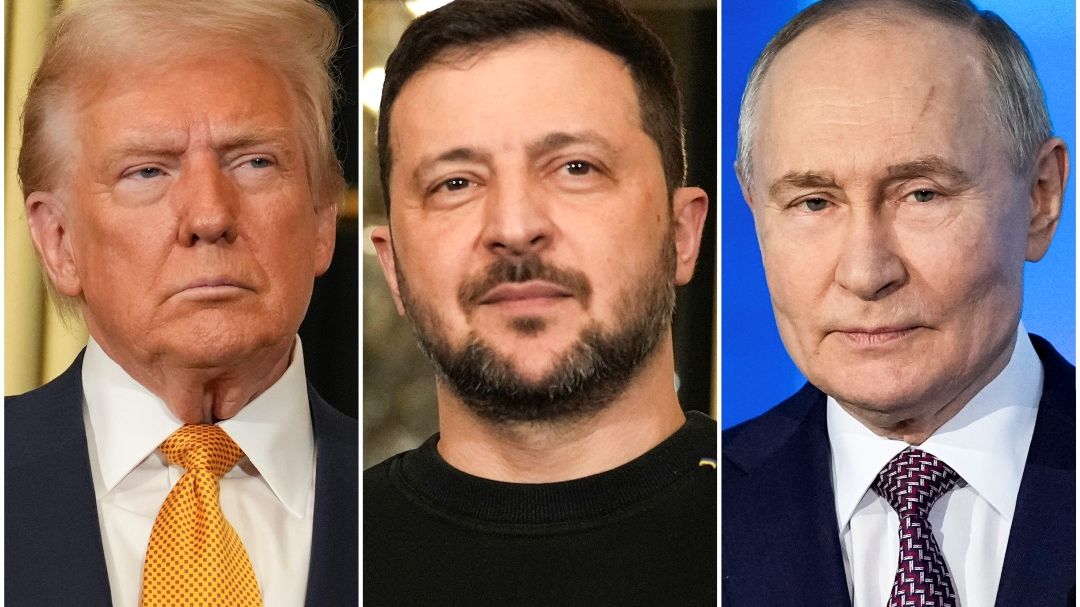
Ukraine Disinformation Campaign Targets Zelensky, Trump, and Media Credibility Amidst Ongoing War

The ongoing conflict between Russia and Ukraine has seen a surge in disinformation campaigns, with a recent wave of fabricated news reports targeting Ukrainian President Volodymyr Zelensky, former US President Donald Trump, and the credibility of Western media outlets. These deceptive narratives, disseminated through websites mimicking legitimate news sources, aim to sow discord and erode public trust in established journalism. Researchers believe this strategy seeks to discredit Ukraine while simultaneously bolstering pro-Russian narratives about the conflict.

A prime example of this disinformation campaign is a fabricated story published by the website Clear Story News, alleging that Zelensky used US taxpayer funds to pay Western journalists to tarnish Trump’s reputation. This report included a forged letter purportedly from Zelensky’s office, complete with digitally altered seals and signatures, instructing officials to orchestrate a negative campaign against the former US President. Fact-checking organizations, including NewsGuard and InVID, swiftly debunked the letter, highlighting inconsistencies in formatting and confirming the digital manipulation of official insignia. This incident underscores the increasingly sophisticated tactics employed by disinformation actors.

Investigations revealed Clear Story News’ connection to John Mark Dougan, a US fugitive turned Kremlin propagandist, further solidifying the link between the disinformation campaign and pro-Russian interests. The same fabricated story and forged letter also appeared on USATimes.news, another website with reported ties to Russia. These platforms deliberately mimic the design and tone of legitimate news outlets to lend an air of credibility to their false narratives, exploiting public trust in established media brands. This strategy aims to bypass the skepticism often directed towards overtly state-backed propaganda.

This recent campaign is not an isolated incident. NewsGuard has identified over a thousand websites masquerading as neutral news sources while actually serving as conduits for partisan or state-sponsored propaganda, often originating from Russia and Iran. These platforms churn out a continuous stream of fabricated stories, ranging from baseless claims about Zelensky purchasing Hitler’s former retreat to manipulated videos impersonating Wall Street Journal reports. The sheer volume and variety of these fabrications contribute to a climate of distrust, making it increasingly challenging for the public to discern legitimate news from carefully crafted disinformation.

The growing sophistication of these disinformation campaigns is further amplified by advancements in artificial intelligence. AI tools enable the rapid and cost-effective generation of misleading content, including fabricated articles, manipulated images, and even deepfake videos. This technology lowers the barrier to entry for disinformation actors, allowing them to produce vast quantities of deceptive material and overwhelm fact-checking efforts. The emergence of AI-generated fake news represents a significant escalation in the information war, demanding increased vigilance and sophisticated countermeasures from news consumers and media organizations alike.

The tactics employed in these disinformation campaigns reflect a cynical exploitation of the very institutions they seek to undermine. While often expressing hostility towards mainstream media, these actors meticulously mimic its format and style to exploit its credibility. This paradoxical approach highlights the insidious nature of modern disinformation, which leverages the trust built by legitimate journalism to spread its deceptive narratives. As the line between authentic reporting and fabricated content blurs, the need for critical thinking, media literacy, and robust fact-checking becomes more crucial than ever. The ongoing information war surrounding the Russia-Ukraine conflict serves as a stark reminder of the challenges facing the news industry and the importance of safeguarding the integrity of information in the digital age.

Share. Facebook Twitter Pinterest LinkedIn WhatsApp Reddit Tumblr Email

Read More

Online Platforms Failed to Remove Disinformation Posts During the 2025 Presidential Election

August 26, 2026

OpenAI Identifies Disinformation Operation Exploiting ChatGPT

August 26, 2026

Here are several formal options for the title, ranging from a direct translation to slightly more editorialized versions.

Option 1: Direct & Formal This version uses a direct translation with formal wording.

Artificial Intelligence Lowers the Barriers to Chinese Information Warfare Against Japan

Option 2: Emphasizing Causality This version uses a colon to clearly link the cause and effect.

Artificial Intelligence and the Lowering of Barriers: China’s Information Warfare Against Japan

Option 3: Descriptive & Impact-Focused This version emphasizes the outcome and impact of the technology.

The Role of AI in Facilitating China’s Information Warfare Capacity Against Japan

Option 4: Stronger Stance This version uses stronger verbs like “Democratizing” which implies widespread access.

How AI is Democratizing China’s Information Warfare Capabilities Against Japan

Option 5: Academic & Neutral This version uses a noun-heavy structure, common in academic writing.

The Impact of Artificial Intelligence on the Barriers to Chinese Information Warfare Against Japan

August 26, 2026
Add A Comment
Leave A Reply Cancel Reply

Our Picks

Combating Online Misinformation through Credible Defence Media

August 26, 2026

OpenAI Identifies Disinformation Operation Exploiting ChatGPT

August 26, 2026

Addressing Medical Misinformation: A Formal Discussion

August 26, 2026

Here are several formal options for the title, ranging from a direct translation to slightly more editorialized versions.

Option 1: Direct & Formal This version uses a direct translation with formal wording.

Artificial Intelligence Lowers the Barriers to Chinese Information Warfare Against Japan

Option 2: Emphasizing Causality This version uses a colon to clearly link the cause and effect.

Artificial Intelligence and the Lowering of Barriers: China’s Information Warfare Against Japan

Option 3: Descriptive & Impact-Focused This version emphasizes the outcome and impact of the technology.

The Role of AI in Facilitating China’s Information Warfare Capacity Against Japan

Option 4: Stronger Stance This version uses stronger verbs like “Democratizing” which implies widespread access.

How AI is Democratizing China’s Information Warfare Capabilities Against Japan

Option 5: Academic & Neutral This version uses a noun-heavy structure, common in academic writing.

The Impact of Artificial Intelligence on the Barriers to Chinese Information Warfare Against Japan

August 26, 2026
Stay In Touch
  • Facebook
  • Twitter
  • Pinterest
  • Instagram
  • YouTube
  • Vimeo

Don't Miss

Social Media Impact

Meta, Parent of Facebook, Reaches Nearly $18 Billion Settlement in Youth Mental Health Case

By Press RoomAugust 26, 20260

Paragraph 1: The Landmark Settlement and its Scope Meta Platforms, the parent company of Facebook…

The Failure of Ukrainian Statehood Thirty-Five Years After Independence

August 26, 2026

U.S. Trial of Meta Examines Social Media’s Impact on Minors.

August 26, 2026

OpenAI Terminates Russian Accounts Employed in Influence Operations.

August 26, 2026
DISA
Facebook X (Twitter) Instagram Pinterest
  • Home
  • Privacy Policy
  • Terms of use
  • Contact
© 2026 DISA. All Rights Reserved.

Type above and press Enter to search. Press Esc to cancel.